Monday, August 31, 2009

Weekend Digiscoping

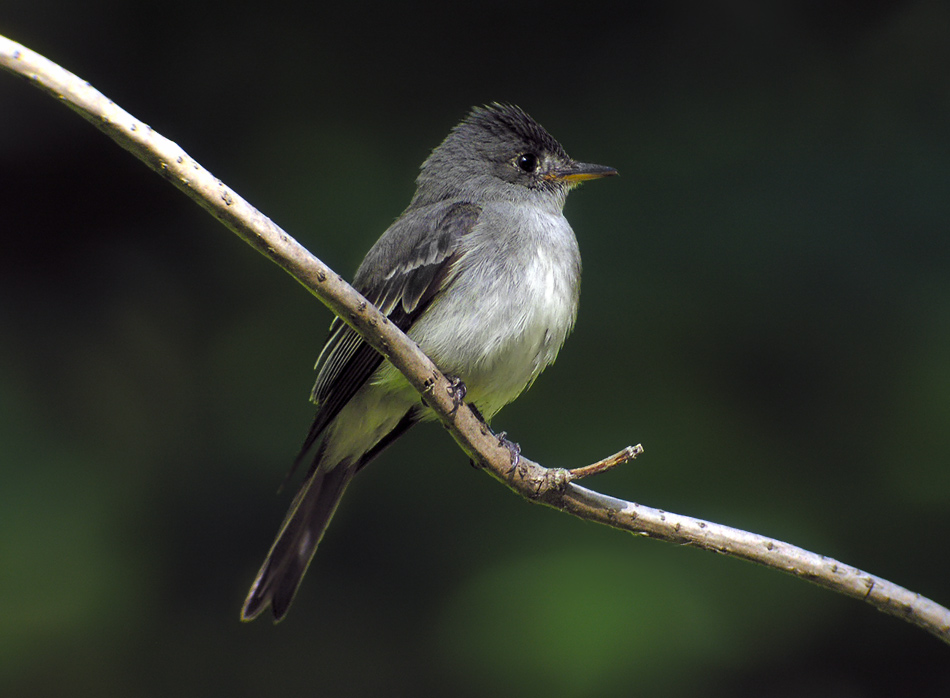
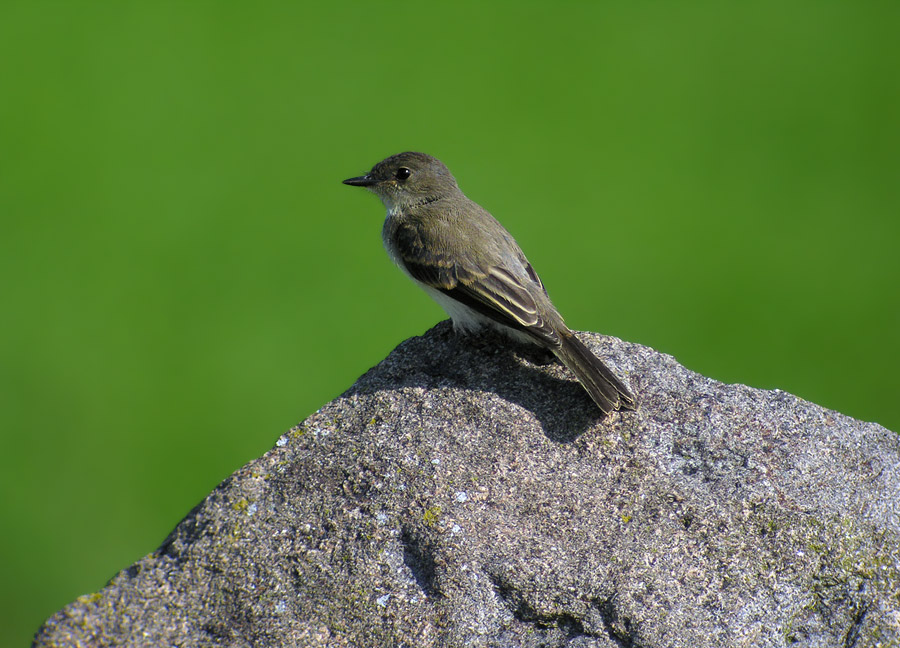
Eastern Wood-Pewee

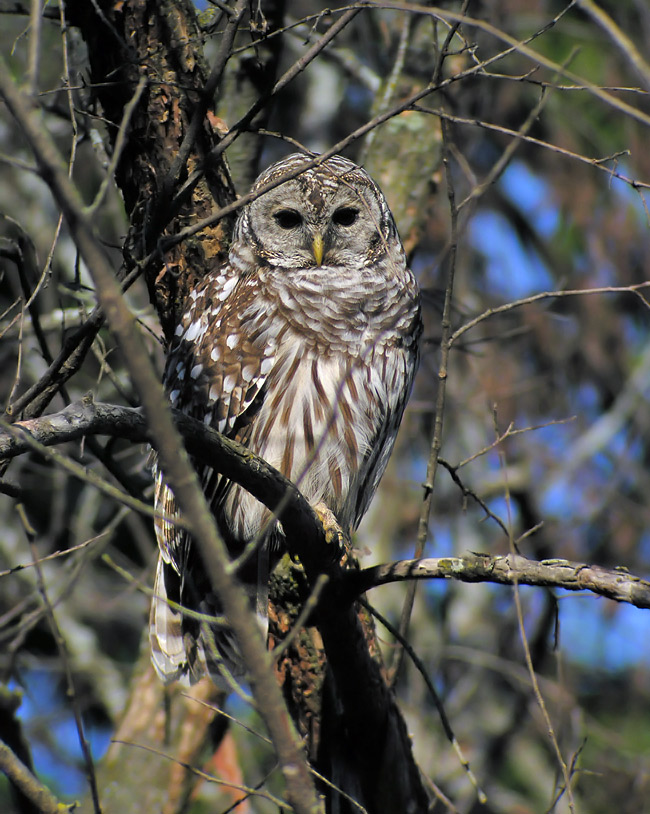
Barred Owl

Downy Woodpecker

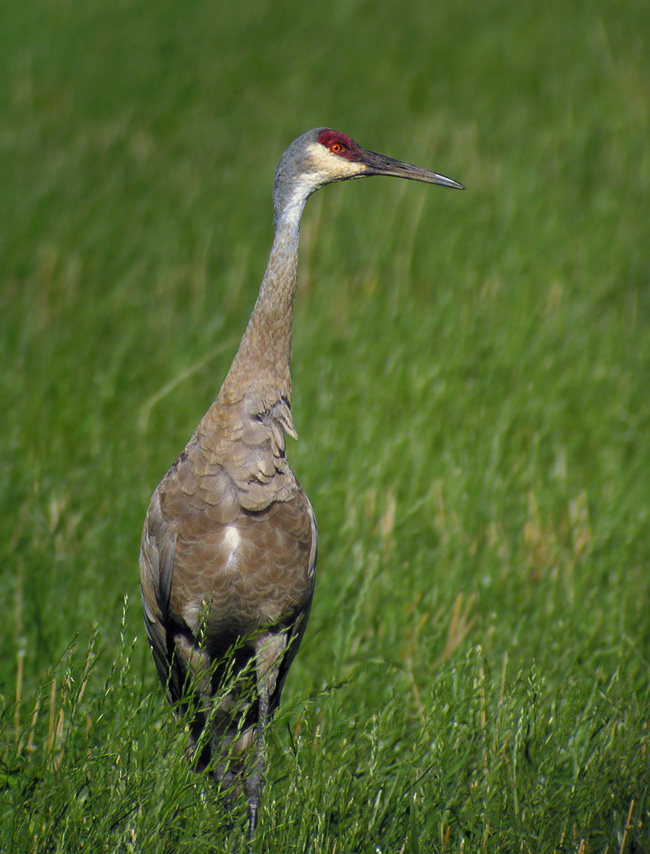
Sandhill Crane

© 2009 Mike McDowell

Saturday, August 29, 2009

They're Here!


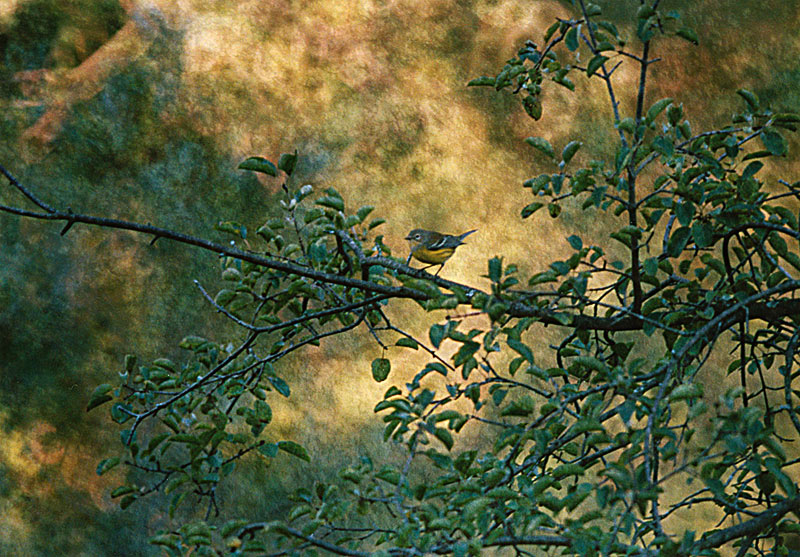
Magnolia Warbler

I had Friday off work and went on a mid-morning bike ride along the Pheasant Branch Conservancy creek corridor trail. Though I wasn't expecting much in the way of migrant birds because of a weak NexRad migration reading the previous night, I brought along my binoculars just in case.

A precursor to how the birding might be further down the corridor was when I happened upon a beautiful Golden-winged Warbler near Parmenter Street. A little further down the trail and I came upon a Swainson's Thrush. Then, just after Park Street, the warblers were everywhere, "dripping from the trees" as they say. Most numerous were American Restarts and Chestnut-sided Warblers, but at one point I had 3 Canada Warblers in the field of view of my binocular. Golden-winged Warblers were poking their bills into clumps of dangling dead leaves, hopeful of a concealed spider or caterpillar inside. Several Blackburnian Warblers, some still showing their fiery orange, were higher up in the canopy. A Mourning Warbler was skulking in the thicket below. It's fascinating to observe the specialized foraging behavior and habitat preference of each species.

Fortunately for me, the flock was stationary and remained near the first stream crossing for over an hour, giving me plenty of time to ensure I didn't miss identifying a bird. Also part of the flock were Red-eyed Vireos, Black-capped Chickadees (of course), and even a Scarlet Tanager. As I told my field trip participants on Thursday, "Find the chickadees and you'll find the warblers." I'm not entirely sure why they associate, perhaps it's because the chickadees are so vocal when foraging and warblers pick up on this.

Location: Pheasant Branch
Observation date: 8/28/09
Number of species: 50

Canada Goose
Mallard
Great Blue Heron
Killdeer
Mourning Dove
Barred Owl
Ruby-throated Hummingbird
Belted Kingfisher
Red-bellied Woodpecker
Downy Woodpecker
Hairy Woodpecker
Northern Flicker
Eastern Wood-Pewee
Yellow-bellied Flycatcher
Warbling Vireo
Red-eyed Vireo
Blue Jay
American Crow
Barn Swallow
Black-capped Chickadee
Tufted Titmouse
White-breasted Nuthatch
House Wren
Swainson's Thrush
American Robin
Gray Catbird
European Starling
Cedar Waxwing
Golden-winged Warbler
Tennessee Warbler
Nashville Warbler
Chestnut-sided Warbler
Magnolia Warbler
Black-throated Green Warbler
Blackburnian Warbler
Black-and-white Warbler
American Redstart
Mourning Warbler
Common Yellowthroat
Wilson's Warbler
Canada Warbler
Scarlet Tanager
Chipping Sparrow
Song Sparrow
Northern Cardinal
Rose-breasted Grosbeak
Baltimore Oriole
House Finch
American Goldfinch
House Sparrow

© 2009 Mike McDowell

Tuesday, August 25, 2009

Drinking Barred Owl


Several days ago at Pheasant Branch Conservancy, Dottie Johnson and I were watching an agitated Ovenbird scolding something we weren't able to see in the dense canopy. But then suddenly a young Barred Owl flew into plain view from a concealed perch. Obviously the source of its ire, the Ovenbird remained dissatisfied even with the owl's new locale. The warbler followed the ambivalent owl and continued harassing it with berating calls. A few moments later, the Barred Owl leapt up (above video), swooped down, flying directly over our heads, and landing on the creek shoreline just behind us. It casually walked into the water and began drinking! How cool is that? Having no other way to record this unusual observation, these video clips were taken via my Nikon Coolpix 8400 hand-held to my Swarovski 8x32 binocular. I didn't have my spotting scope or tripod with me, so they're a tad shaky.


© 2009 Mike McDowell

Sunday, August 23, 2009

Operation "Crab Spider"


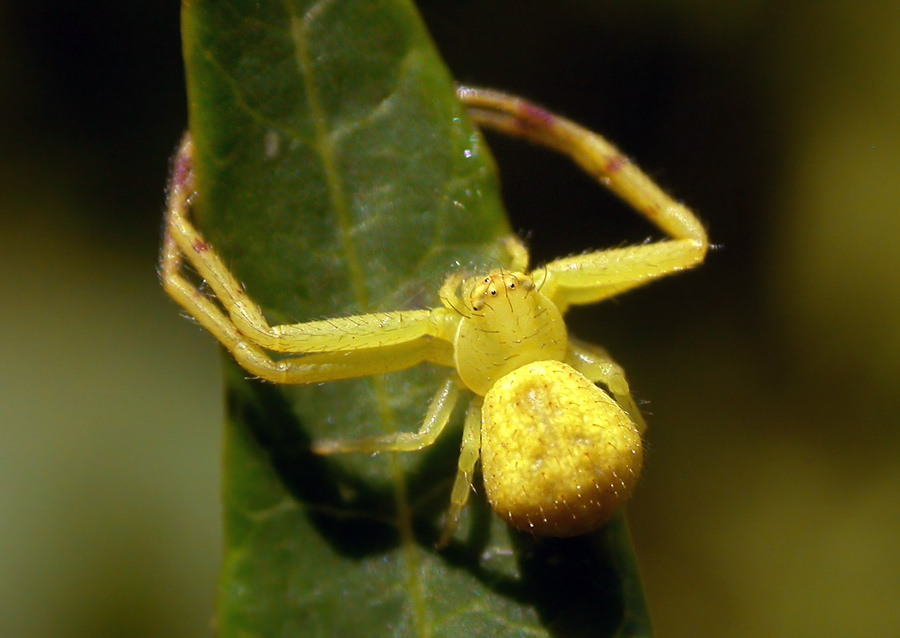
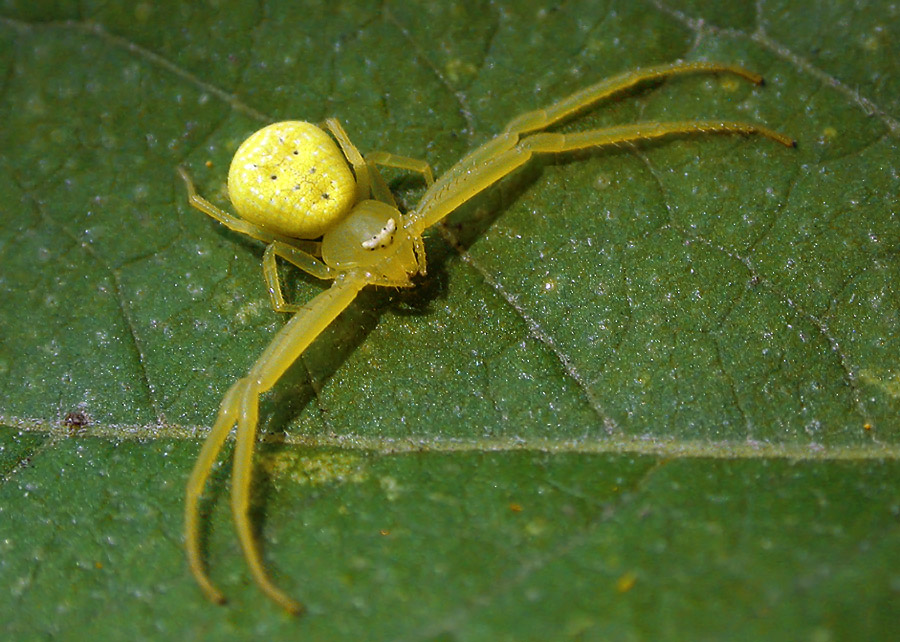
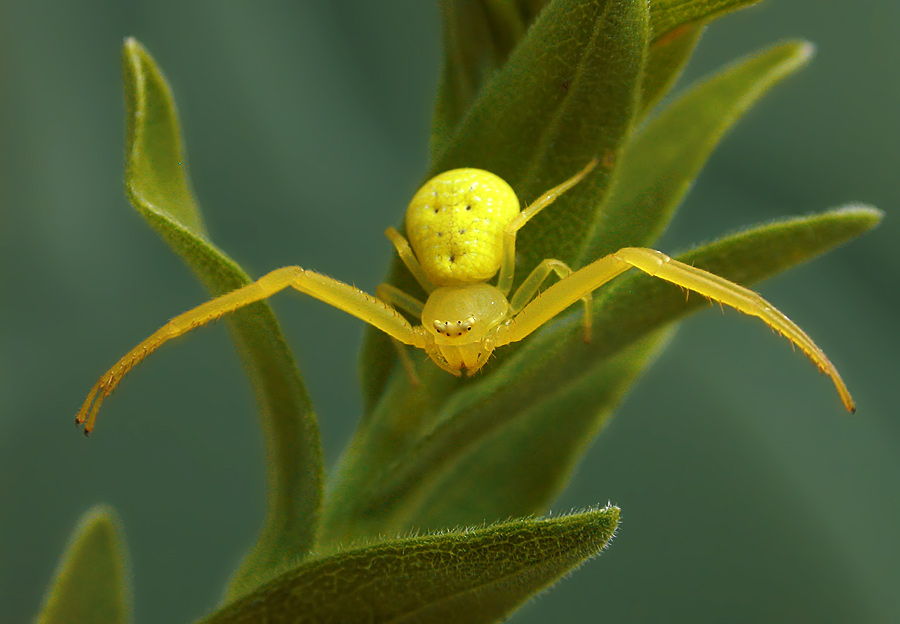
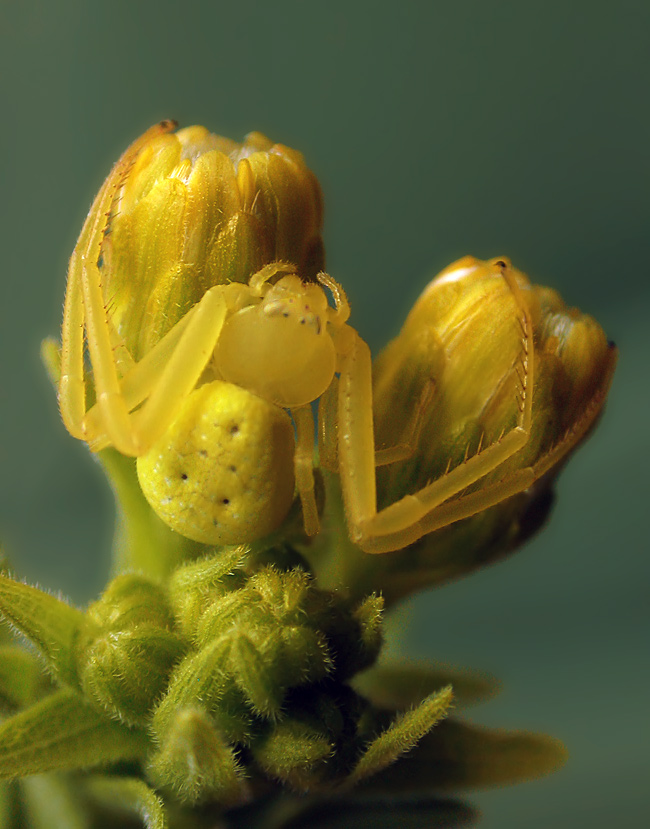
Sylvia Marek recalled last summer I was searching for crab spiders to photograph, so she gave me a call when discovering several of them on some goldenrod at the UW Arboretum this weekend. While all arachnids fascinate me, jumping spiders and crab spiders are my favorite.


Many spiders, especially orb weavers, really don't seem to do much until something becomes entangled in their web. But crab spiders hunt and ambush their prey, rendering a certain style to their movement that makes me feel like they know something as I observe them. Also, crab spiders seem to behave more deliberately with age. The young ones are often so fast and flighty that photographing them is next to impossible. But adults only move when necessary and can be very cooperative subjects. Even when they encounter danger, instead of retreating they seem predisposed to holding their ground and rewarding observers with a menacing threat display by holding their front legs outstretched.


What's not to love about them?


On my way home from the arboretum, I found a family of Sandhill Cranes foraging in the field across the street from my apartment. They were lovely digiscoping subjects and my final outdoor activity for what was a truly beautiful weekend. I watched the cranes until they decided to move to some habitat near Esser Pond.


All images © 2009 Mike McDowell

Friday, August 21, 2009

Digiscoping Math!


Curious digiscopers often want to know the effective focal length of their digiscoping rig. Once you have a few specifications for your gear, the rest is pretty easy to calculate.

Here's the formula for point & shoot digital cameras:


fl = focal length
ozmeq = optical zoom (in 35mm equivalency)
epmag = eyepiece magnification

My Nikon Coolpix 8400 has an optical zoom range of 24 to 85mm (in 35mm equivalency). We'll do the math for the upper value of the optical zoom, so ozmeq will be 85. I usually digiscope with my 20 to 60x zoom eyepiece at 20x, so epmag is 20:


The result is an effective focal length of 2,429mm!

The formula when afocally coupling DSLR cameras to the scope's eyepiece is very similar, but since were' working with removable DSLR lenses, we can assume 50x = 1. However, we need to figure in the crop factor of the camera's sensor and adjust for the focal length of whatever lens is being used:


fl = focal length
sensor = DSLR sensor size
epmag = eyepiece magnification
lens = focal length of the camera lens.

We'll use the values for the Pentax K100D and a 40mm pancake lens, so our value for lens will be 40. The K100D's sensor size is 23.5mm, so that's our value for sensor. Because it's smaller than 35mm, it's frame is slightly magnified (crop factor), so this needs to be taken into account when calculating the effective focal length. As above, we're using an eyepiece magnification of 20 power:


The result is an effective focal length of 1,191mm!

Naturally, knowing the effective focal length won't make you a better digiscoper. At no time during my 8 years of digiscoping did knowing any of these numbers provide any advantage while in the field!

© 2009 Mike McDowell

Wednesday, August 19, 2009

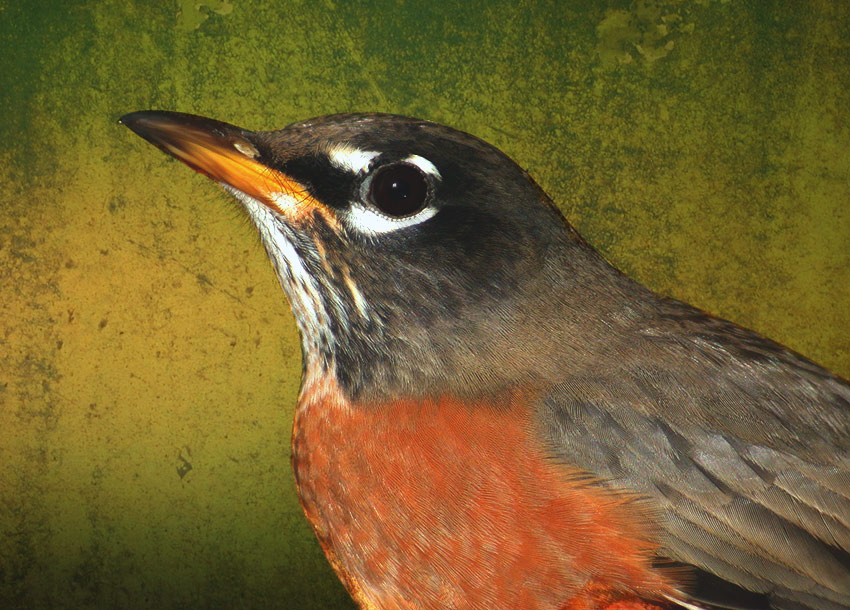
My Robins


Well, they're not really my robins, but I've been listening and watching them all spring and summer, casually, most of the time, but more intently on occasion. I observed them when they arrived and when they began building nests throughout the courtyard. I was fortunate to have a nest in the arborvitae right outside my bedroom window. However, I remember one June morning I left my window open and was awoken at 3:30 a.m. by a very enthusiastic singer. I love my robins, really, but this was a bit early even for me.

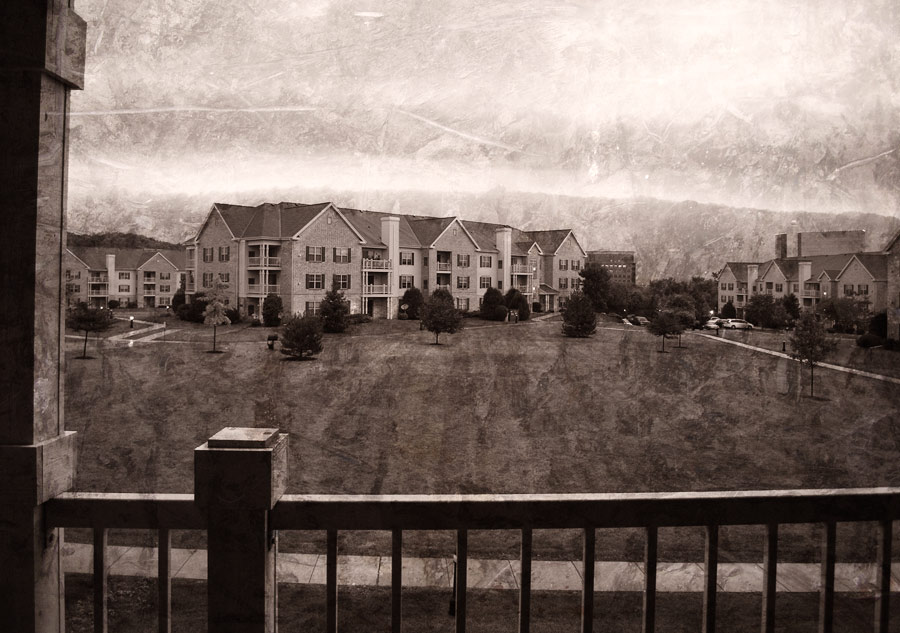
Another robin took habit of perching on my balcony railing post. He'd sing from it while I made myself breakfast and freshly brewed coffee. Occasionally he flew down to take a sip of rainwater that collected in my boot tray on my balcony. I heard the begging calls of their young; they must have had at least two broods, perhaps even a third. Now I wish I had paid attention more closely, but I was still ever mindful of their presence. In recent late evenings I would notice several robins perched atop the roofs of nearby apartment buildings. Presumably there were some perched on my building as well. Watching them through my spotting scope, it seemed like they were keeping their gaze fixed on the setting sun. Was it time, yet? No. Not yet.

Then one morning, just a few days ago, I opened my patio door and took a seat at balcony table. I immediately noticed the robins. From all around my neighborhood, robins were flying quick and nimble, all bound in the same direction. Over a dozen adult robins were calling from rooftop lookouts. They kept coming. More and more showed up and then I realized what I was witnessing - my robins and their kin were preparing for departure.

Calls layered upon calls. And then one by one, but sometimes a few or more at a time, they took flight in a southeasterly direction. They were leaving. It's been a few days and I've only seen one robin in the courtyard since that morning. My singer no longer perches on the balcony post. I can only imagine that by now they're part of a larger flock, perhaps still in some Wisconsin woodland, maybe even Illinois. I have no idea, really. All I know is that the songs have stopped; I hear no more begging calls of young robins, no more morning songs. That which I was mindful of all summer long has abruptly vanished. Now, virtual silence. Well, almost. Gentle sprinkles of fresh rain are beginning to fill the boot tray on my balcony, but it's their brethren to the north who will be next to drink.


"There is one thing that we all must do. If we do everything else but that one thing, we will be lost. And if we do nothing else but that one thing, we will have lived a glorious life."

- Rumi

© 2009 Mike McDowell
Thursday, August 13, 2009

Pope Farm Park Digiscoping

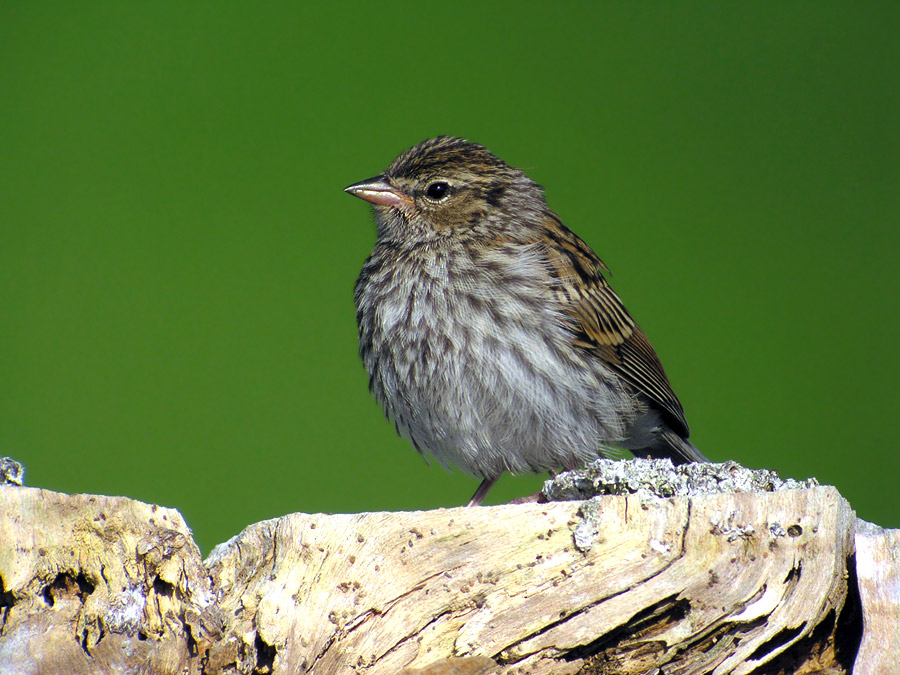
Chipping Sparrow

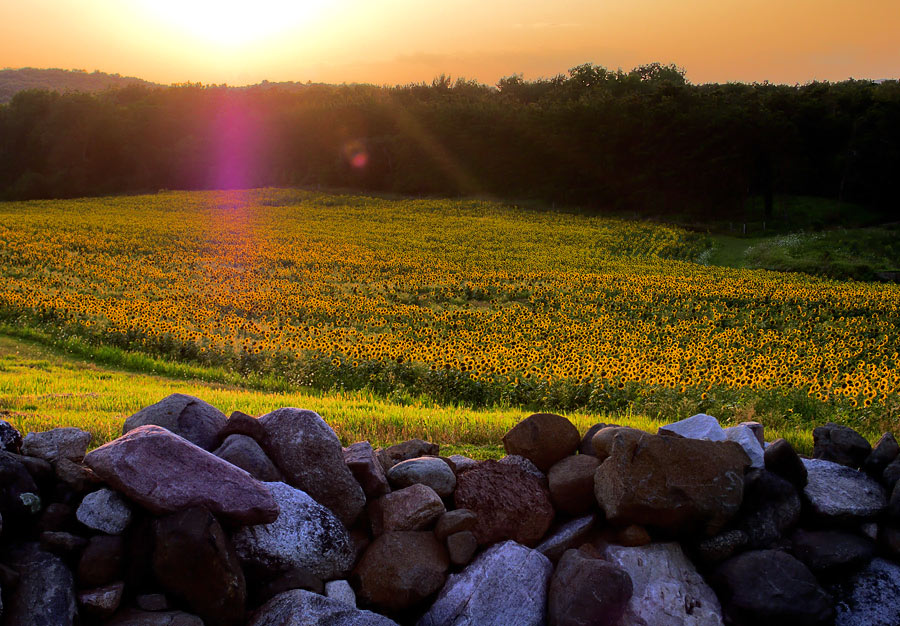
I hadn't even heard of Pope Farm Park just a few weeks ago, but it's already turning out to be a favorite spot for digiscoping birds and other critters. A stone wall interspersed with wooden stumps that runs north to south helps to make it productive under both morning and evening light. The wall attracts an assortment of insects, so birds are naturally inclined to keep a watchful eye from nearby perches, ready to swoop to the rocks and catch a meal. I haven't come anywhere close to exhausting the potential opportunities and suspect it will become even better as fall songbird migration reaches its apex. Given its proximity to the prairie, gardens, and agricultural fields, it's bound to be a terrific location for sparrows in September and October.

Eastern Phoebe

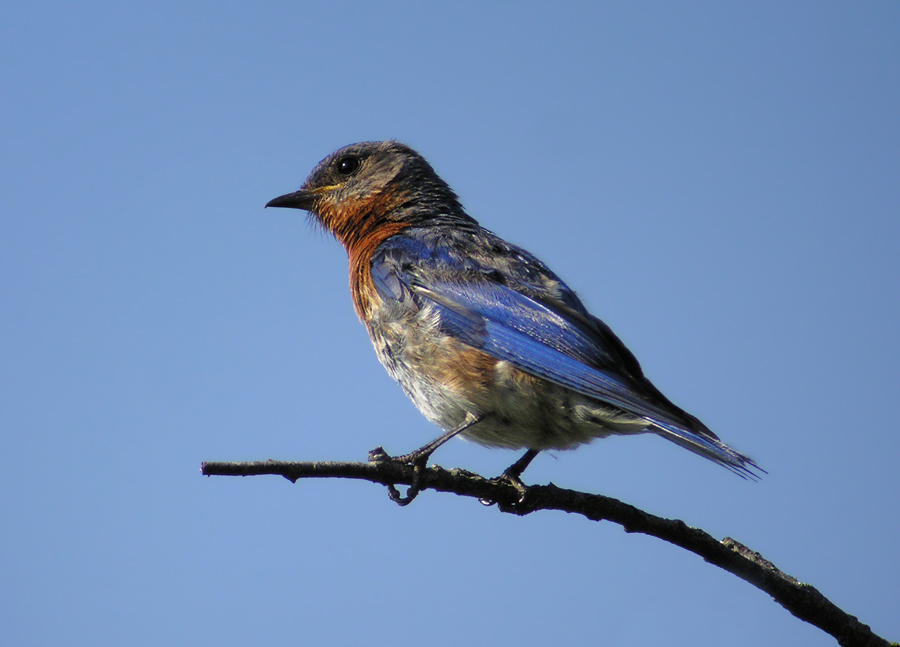
Eastern Bluebird

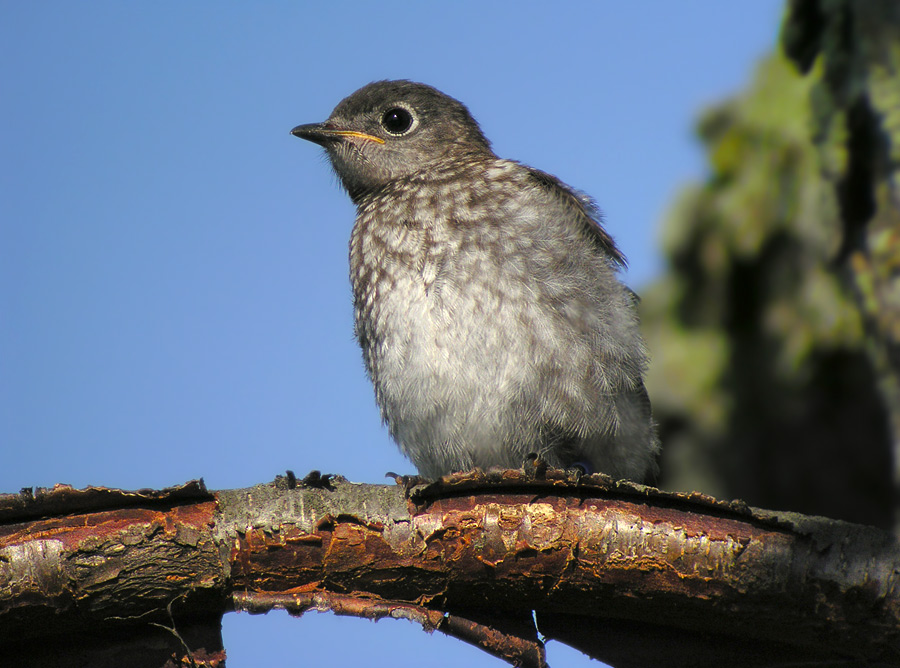
Eastern Bluebird

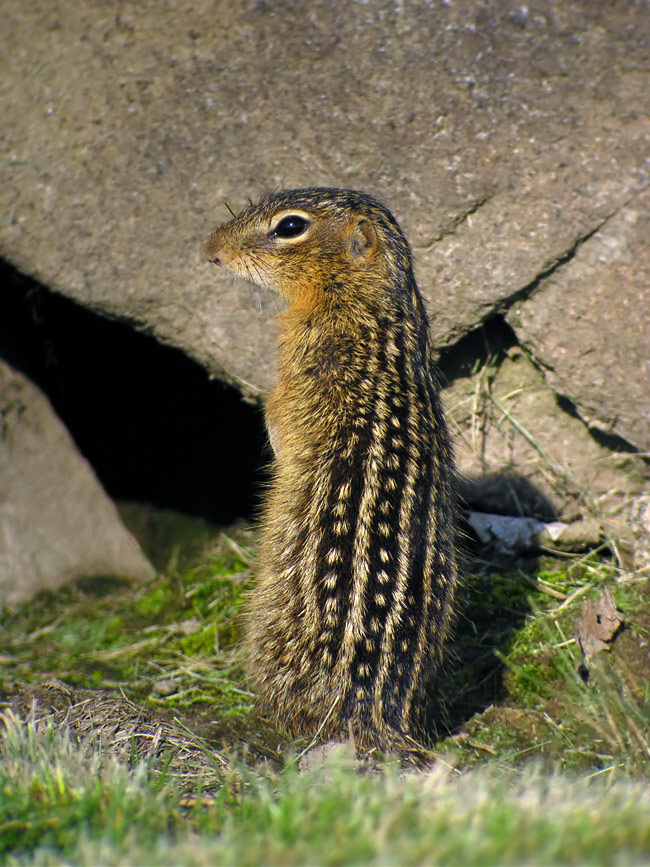
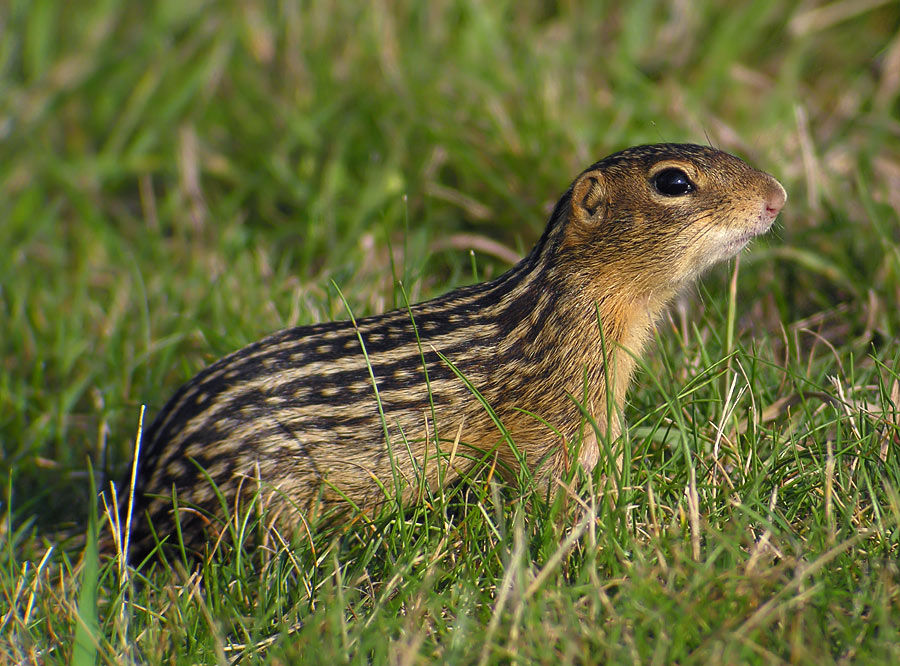
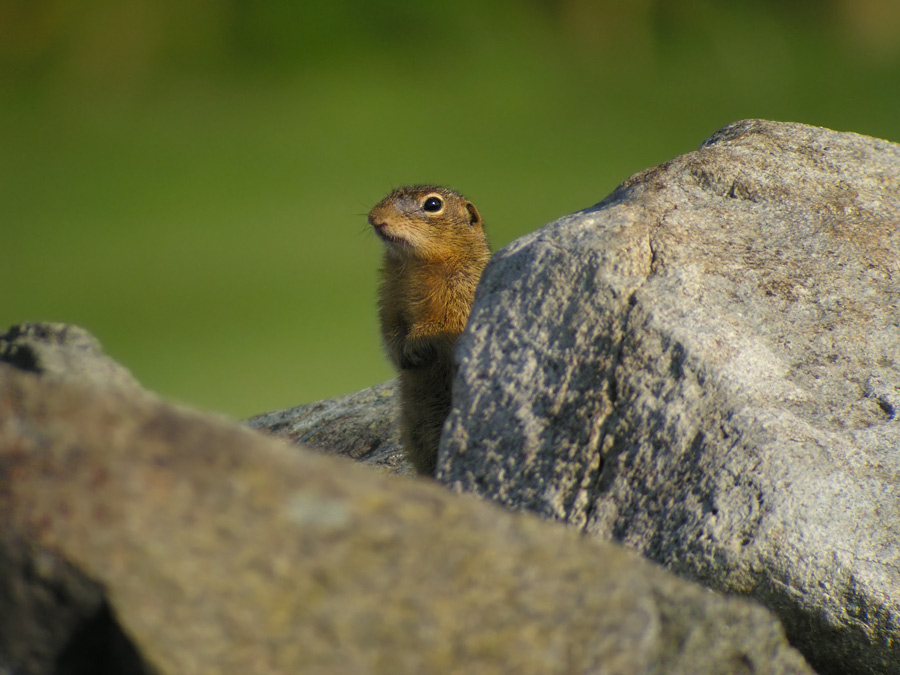
Thirteen-lined ground squirrel

Thirteen-lined ground squirrel

Cooper's Hawk

© 2009 Mike McDowell

Wednesday, August 12, 2009

Creek Corridor = Chopped Liver


Celebrate! Wait a second, not so fast...

The City of Middleton will be paving the trail between Parmenter Street and Century Avenue this October. This is the "creek corridor" trail I frequently cite on my wisbirdn posts, on this birding blog, and where I conduct the majority of my birdwatching at the conservancy. The creek corridor is where thousands of neotropical songbirds concentrate during spring and fall migration. It's where I've led Madison Audubon field trips for nearly a decade. This is the trail section where the overwhelming number of birders come to observe and enjoy an incredibly rich variety of songbirds. Though you can find some of the same bird species along the trial north of Century Avenue (the trail section Middleton's city council voted against paving last night), it consistently yields fewer birds and less diversity during spring and fall migration.

Link: Map of Conservancy Lands

This is a story of how Middleton's politicians painted themselves into a corner. Grant money from the Department of Transportation was applied for and awarded to Middleton for the construction of bridges and a paved trail through the conservancy from Parmenter Street to Century Avenue. The original plan was voted on and passed in 2007 by the three alders present at that particular city council meeting. (One of them is against paving any conservancy trails now). Last week the council voted (6 to 2) in favor of awarding the contract to complete the bridges and pave this section of the trail, effectively sealing the deal. What was interesting at this meeting was how district alders chose to differentiate between the creek corridor and the conservancy "proper."

There's a good "politics as usual" explanation for this distinction. While signs posted at the creek corridor's trail entrances refer to it as a conservancy, halting the paving meant voting down awarding the contract. If Middleton had done that, they would have forfeited a huge grant and effectively wasted time and money the DoT spent on their own resources while researching the creek corridor plan. Not only would this have made Middleton look pretty bad politically, but also would have been a stain against their reputation when applying for any future grant money. This would have sent a message, "Hey, be careful doing business with Middleton! They may back out of a deal 2 years after they approved it!" Even if the district alders and Mayor Sonnentag opposed paving the creek corridor trail; they still had the city's reputation to uphold.

Arguments offered by Middleton's politicians for the paving included safe passage for children, improved access to the creek corridor so handicapped people can enjoy its scenic beauty and wildlife, and making a "pro-green" statement by having a well-groomed commuter trail that could accommodate a variety of bicycles. Nevertheless, I couldn't get any of the district alders or the mayor to tell me why they opposed paving the trail north of Century. Don't they want children to be safe when they bicycle through that part of the conservancy, too? Don't they want to allow a variety of bicycles through that parcel? And don't they want handicapped individuals to enjoy the conservancy proper? Whatever "wildlife and scenic natural beauty" arguments Middleton's politicians are keeping to themselves in opposition of paving the "north trail" north of Century Avenue apparently doesn't apply to the creek corridor trail.

An endangered philosophy...

This takes us to the present, when it seems at long last the public finally learned about paving the trails at Pheasant Branch Conservancy. Well, it turns out they're against it. A tremendous amount of public pressure against paved trails initiated a reaction as well as misleading media stories (surprise) in the Middleton Times Tribute and the Wisconsin State Journal. Middleton's politicians listened, but found themselves caught in a classic catch-22. Going against public opinion might have cost them votes in the next election, but they also couldn't kill the contract and forfeit the grant without looking bad politically. So it was no surprise that a majority of Middleton's district alders (and Mayor Sonnentag) sided with the public and voted down paving the trail north of Century Avenue. As it turns out, in true political form, you can be both for and against paving conservancy trails. While I understand why Middleton's politicians voted how they did, I fail to find honor and logic in the rhetorical arguments that the public were asked to swallow. Whatever arguments were true of the west trail (north of Century Avenue) , were also true of the creek corridor trial (south of Century Avenue), as they are both on conservancy lands.

Er, what's it called?

Two closing points: I personally think the bridges are essential, will benefit birders, but I also recognize that they couldn't be installed without the trail paving because the way the grant was authored and awarded to Middleton. Finally, Middleton's Public Land Manager has offered to work with me in designating alcoves along the creek corridor trail where birders can stand without having to worry about blocking it from bicyclists, joggers, and other trail users. There is also a proposal to allow me to designate the locations of a few new footpaths in areas where the birding is really good during spring and fall migration. I'll do the best I can with the interest of birds and birders in mind. You can't always get everything you want, but I think we should take what we can get now that the trail is going to be paved.

"'There are strategies for conserving forest for migratory birds, but those strategies emphasize the largest patches of forest,' Dunning said. 'We found that even very small woodlots were filled with migratory birds at times. It makes us believe we also need to conserve the little patches of forest, not just the big ones.'"

From: Migratory birds not picky about their rest stops

"One of the penalties for refusing to participate in politics is that you end up being governed by your inferiors."

- Plato

"Thoreauvian walkers know where we like to walk the best. We like to walk in Nature. Capital N nature. With trees tinkling shadowy over our heads, and the thunk of a wood-rot pathway guiding our feet, with grasses brushing our thighs, or a stony escarpment sweeping up our side. We shamelessly proclaim our romantic aspirations. We want to feel renewal in the stillness and birdsong and the hidden movement of worms, and the unabashed truth of decay. We want to pay attention, to know the wonders of life in secret places, to watch and be watched, to learn and unlearn."

- L. L. Haupt

© 2009 Mike McDowell
Tuesday, August 11, 2009

August Birding

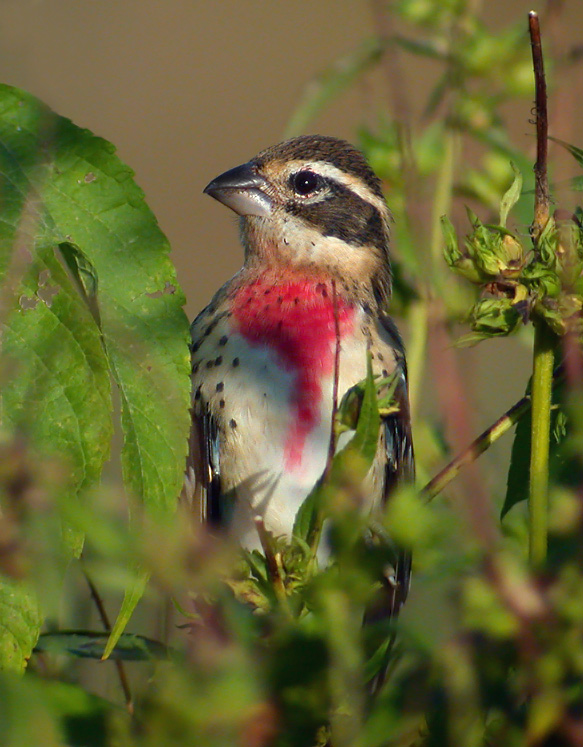
Rose-breasted Grosbeak

I walked the Pheasant Branch creek corridor for a few hours this morning looking for early migrant songbirds (southbound warblers). Though I didn't even find a single Common Yellowthroat, most of the other typical summer resident birds were present. Notably absent were the Carolina Wrens. They do this to me all the time. Just when I begin to worry they've abandoned the creek corridor, one will perch in the open on a nearby branch, singing its heart out. It shouldn't be much longer and the warbler storm will be underway!

Location: Pheasant Branch
Observation date: 8/11/09
Number of species: 27

Mourning Dove
Ruby-throated Hummingbird
Belted Kingfisher
Red-bellied Woodpecker
Downy Woodpecker
Hairy Woodpecker
Northern Flicker
Eastern Wood-Pewee
Great Crested Flycatcher
Red-eyed Vireo
Blue Jay
Black-capped Chickadee
Tufted Titmouse
White-breasted Nuthatch
House Wren
Wood Thrush
American Robin
Gray Catbird
Cedar Waxwing
Song Sparrow
Northern Cardinal
Rose-breasted Grosbeak
Indigo Bunting
Common Grackle
Baltimore Oriole
House Finch
American Goldfinch

© 2009 Mike McDowell
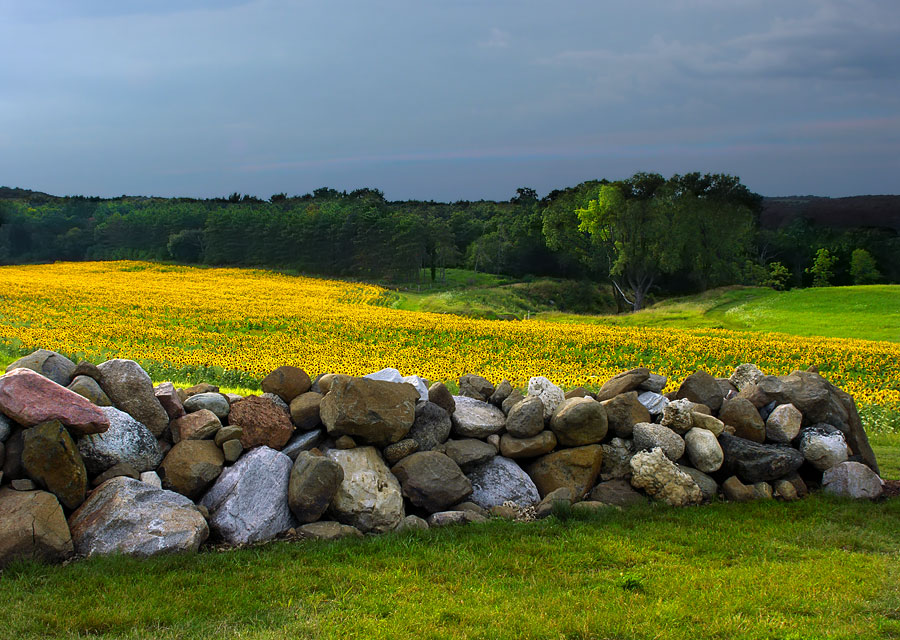
Return to Pope Farm Park


© 2009 Mike McDowell
The Sunflower Patch


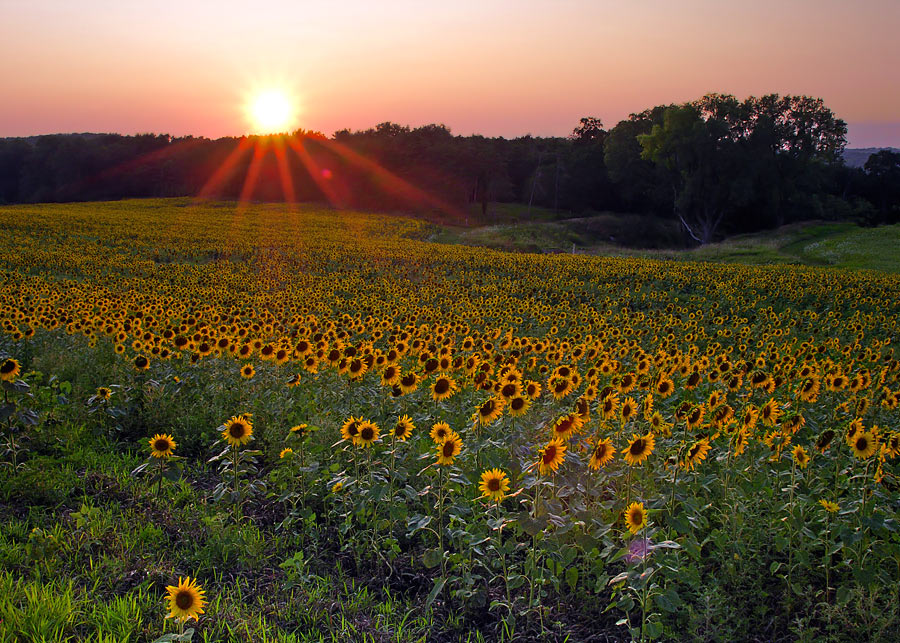
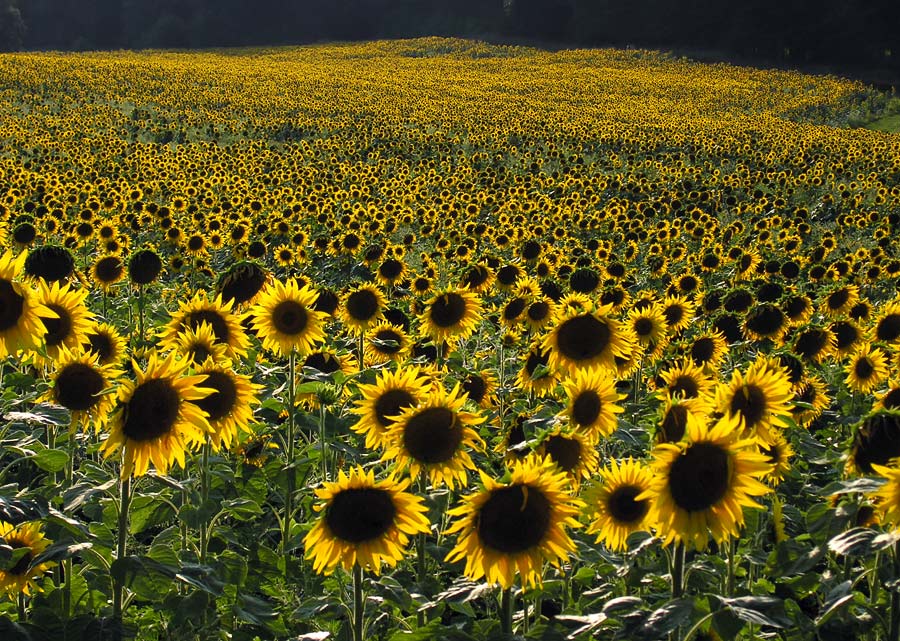
Last evening I went for a peaceful walk at Pope Farm Park to decompress. Resting at one of the picnic tables overlooking a field of sunflowers, my naturalist's instincts took over as I ran through the names of all I was observing. It's what naturalists do, I suppose. But there are many ways I enjoy such scenery. In one context, it's like taking a quiz; how many things can I identify? There were the various plants, wildflowers, and trees, butterflies, bumblebees and other insects, birds by sight and song, and small mammals like ground squirrels and rabbits. How about the clouds? But there's another context in which to enjoy things: watching as if we humans hadn't yet labeled the wild and the wilderness with names we've given to them. I imagine I'm an early pioneer or explorer stumbling upon nature's bounty in this region for the first time in our history. Hey! How did that stone wall get here? Finally, as my thought experiment progresses, I'll try to ponder how such a scene would be experienced if this were my first visit to Earth, where no human conventions influence my thoughts. It's difficult to do, perhaps even impossible, but it's a mental exercise I enjoy partaking in. Lost in blissful contemplation, I was startled when a dozen Ring-necked Pheasants took wing and gliding from atop the hill into the sunflower patch below.

Link: Reviving the Lost Art of Naming the World

© 2009 Mike McDowell

Sunday, August 09, 2009

Summer Storms


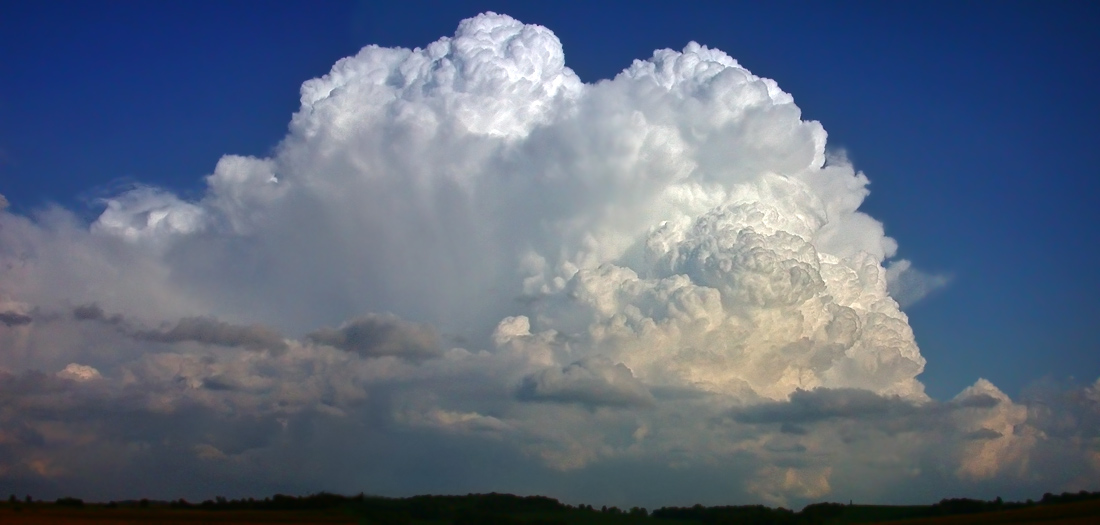
There's nothing quite like observing huge Thunderhead (cumulonimbus) clouds roiling against a deep blue sky. From miles away, the intense atmospheric instability is beautiful and calming. Well, I suppose that depends whether it's approaching or leaving. I almost always experience a sense of nervousness whenever a thunderstorm looms on the horizon, yet it's not altogether an unpleasant feeling. I love storms. Yet, I'm aware directly beneath it people, birds, and other critters are probably getting pummeled with high winds, heavy rain, lightning, and perhaps hail. Perhaps some will even perish. That's how it is with nature. From a safe distance, potentially dangerous things (because we've learned them to be as such) have won our respect; the powerful force of a tornado, the spectacular energy of lightning. Similar sensations can be experienced throughout nature’s realm, whether a bear in the wilderness or spotting a shark in the depths below while snorkeling.

© 2009 Mike McDowell
Friday, August 07, 2009

Field Trip!


Madison Audubon Society
Fall Warbler Walk at Pheasant Branch

Thursday, Aug. 27th, 2009

Walk at Pheasant Branch Conservancy with Mike McDowell at the beginning of fall bird migration. Expect to see warblers, vireos, flycatchers and other migrants. Bring comfortable shoes for a 2-hour walk. Meet at 7:00 a.m. in Middleton at the dead-end street by Parisi Park (where Park Lawn St. and Park St. meet.) Rain or shine.
Have a great weekend!

American Redstart © 2009 Mike McDowell
Sunday, August 02, 2009

Shorebird Sunday


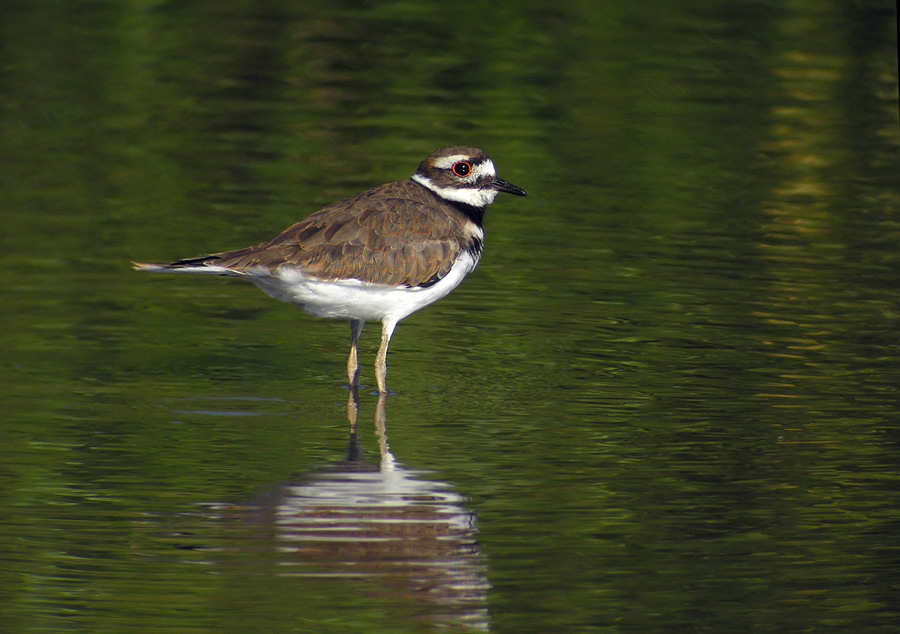
Killdeer

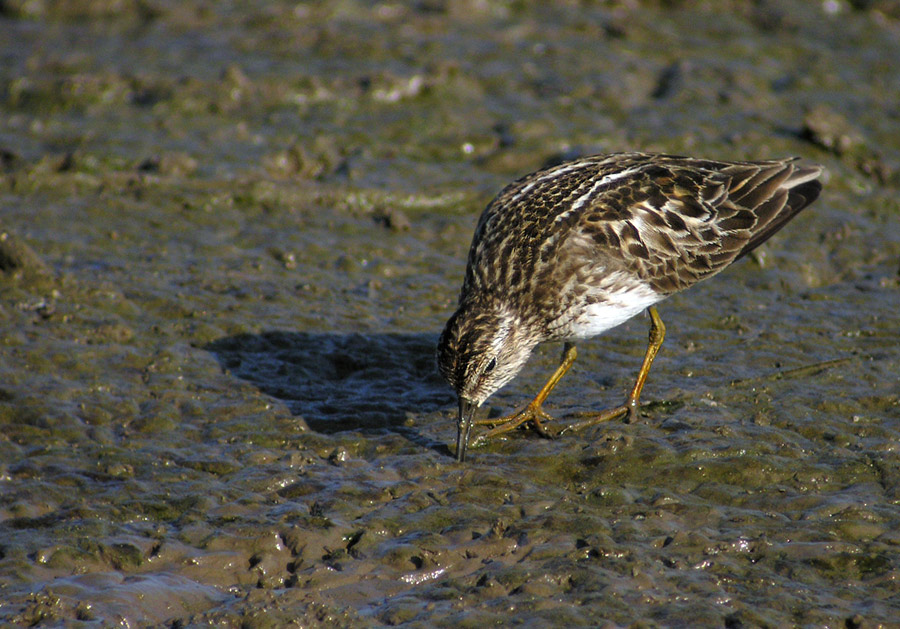
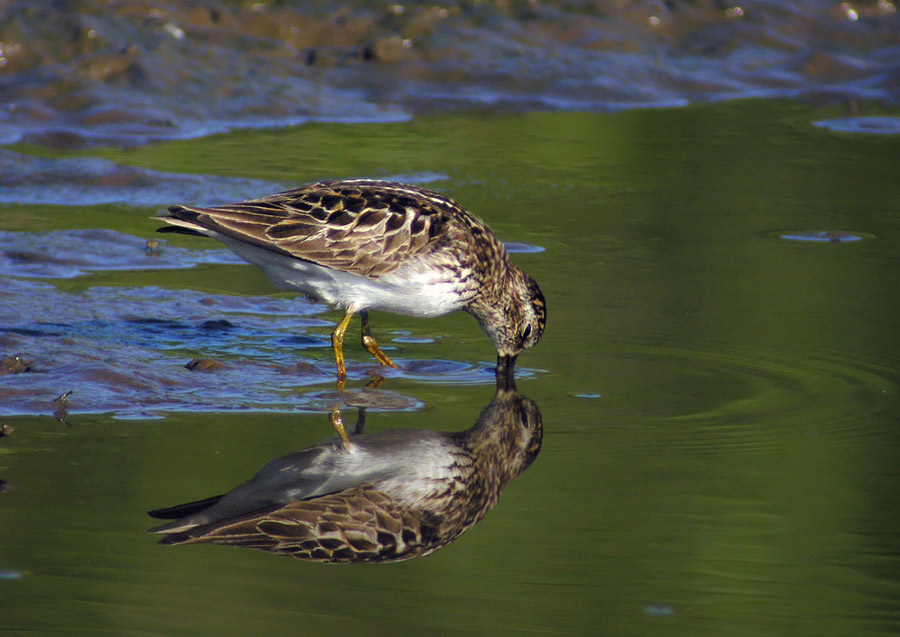
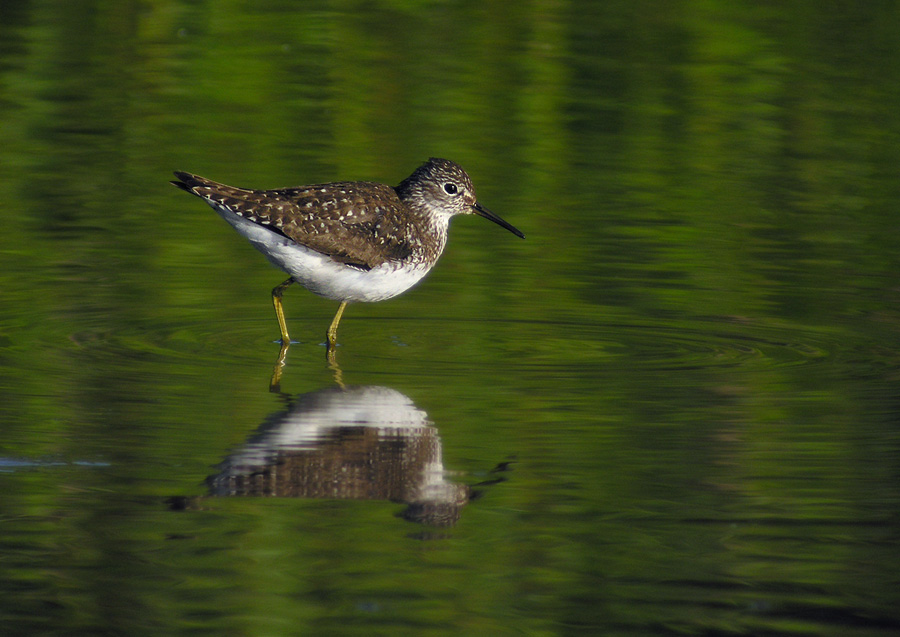
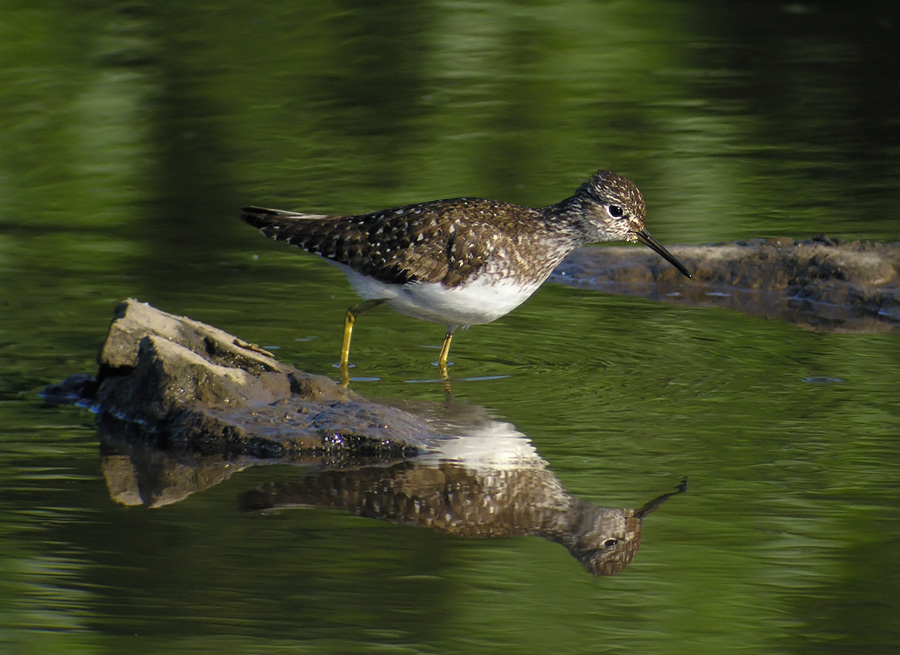
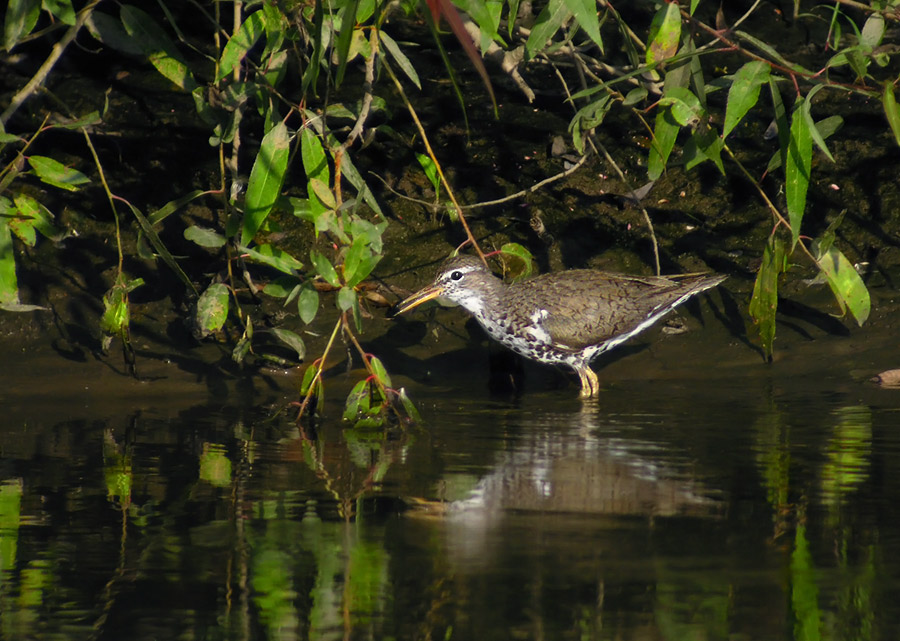
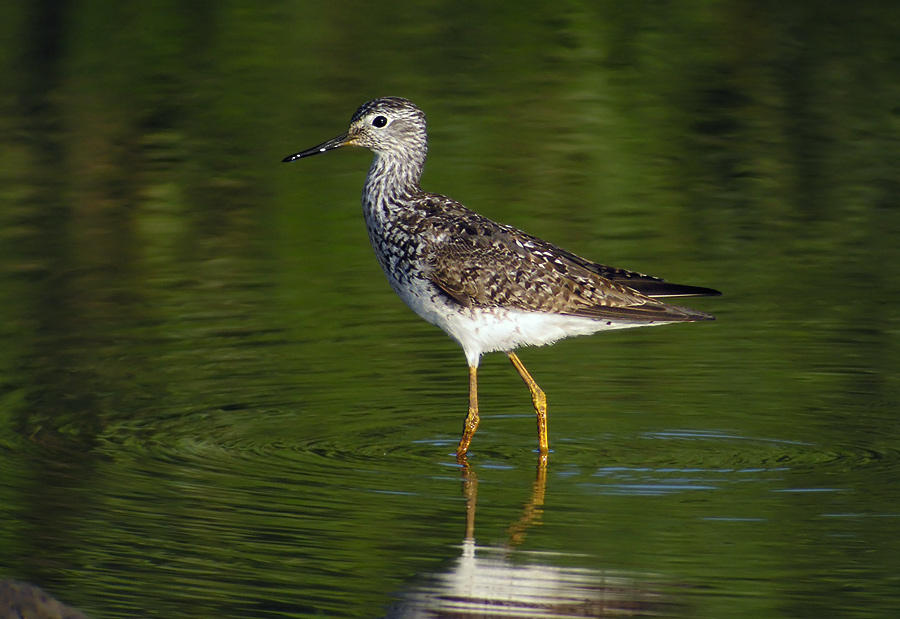
Early this morning I returned to the Market Street drainage pond and found it bustling with shorebirds. There were Least Sandpipers, Pectoral Sandpipers, Spotted Sandpipers, Solitary Sandpipers, Lesser Yellowlegs, Killdeer, and a single Semipalmated Plover. I carefully reclaimed my digiscoping spot along the willow edge and went to work.

With a sense of urgency, several of the birds stayed only long enough to refuel and then took flight in a southeastern direction. Calling as they flew above me, a small flock of Solitary Sandpipers were followed closely by some of the Lesser Yellowlegs. However, much to my delight, fresh arrivals from the north replenished their numbers. It's fascinating to watch a piece of migration in progress.
As I was photographing, I heard songs and calls of other birds; Rose-breasted Grosbeak, Indigo Bunting, Song Sparrow, and Eastern Kingbird. There were lots of swallows, too, including Barn Swallow, Tree, Swallow, and Cliff Swallow. I can’t wait to see what shows up next at this diminutive pond!


Spotted Sandpiper


Lesser Yellowlegs


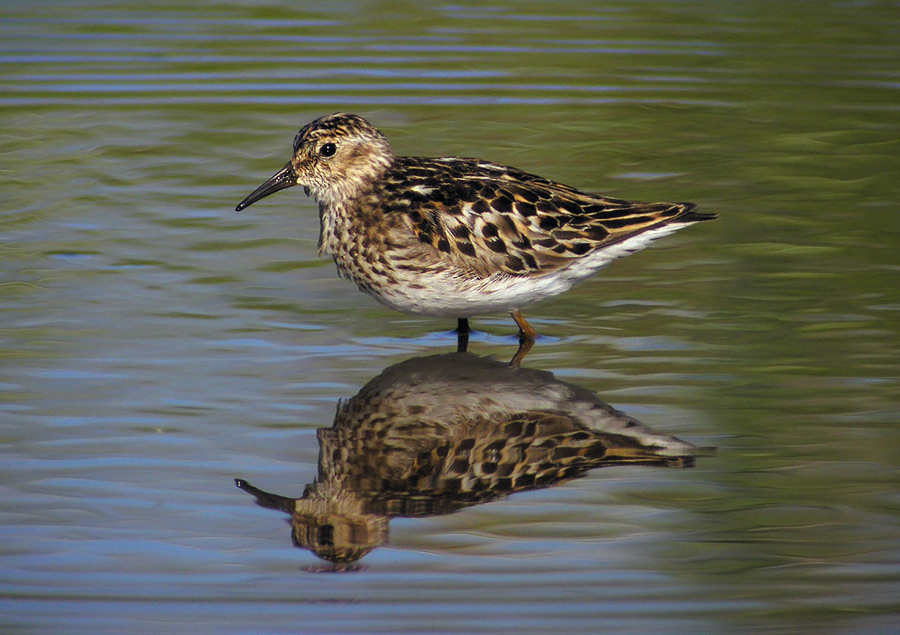
Least Sandpiper


Solitary Sandpiper


All images © 2009 Mike McDowell