7.31.2011

July Ends


Pheasant Branch, Dane, US-WI
Jul 31, 2011 - 50 species

Canada Goose
Wood Duck
Mallard
Great Blue Heron
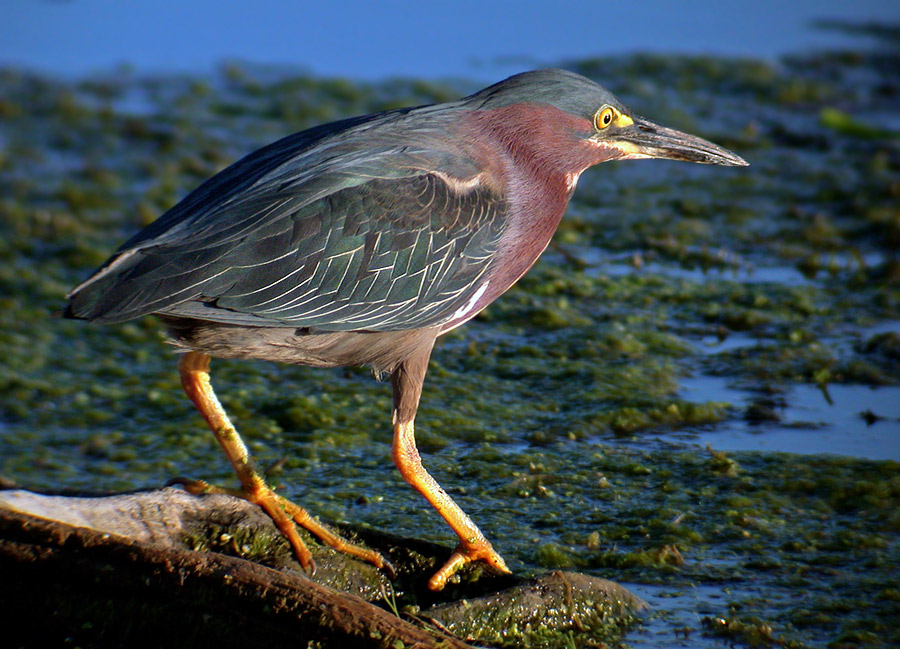
Green Heron
Turkey Vulture
Red-tailed Hawk
Killdeer
Rock Pigeon
Mourning Dove
Chimney Swift
Belted Kingfisher
Red-bellied Woodpecker
Downy Woodpecker
Hairy Woodpecker
Eastern Wood-Pewee
Willow Flycatcher
Eastern Phoebe
Eastern Kingbird
Red-eyed Vireo
Blue Jay
American Crow
Barn Swallow
Black-capped Chickadee
Tufted Titmouse
White-breasted Nuthatch
House Wren
Sedge Wren
Marsh Wren
Wood Thrush
American Robin
Gray Catbird
Brown Thrasher
Cedar Waxwing
Yellow Warbler
Common Yellowthroat
Chipping Sparrow
Clay-colored Sparrow
Field Sparrow
Song Sparrow
Swamp Sparrow
Northern Cardinal
Indigo Bunting
Dickcissel
Red-winged Blackbird
Common Grackle
Baltimore Oriole
House Finch
American Goldfinch
House Sparrow

Green Heron © 2011 Mike McDowell

7.28.2011

Where's mine!? ;)

Mike,

Finally Jim Williams wrote and apologized for trying to sell one of my images to you. It turns out he was just trying to discourage you from using the image, so he set a high price! I think some of the Wisconsin birding group is also concerned about using the same image for your facebook site, but that is beyond my area of concern!

Just wanted to let you know that the "illegality" of the situation is satisfied from my point of view.

Cheers,

George

Dr. George C. West
www.birchsidestudios.com
www.FriendsofMaderaCanyon.org
www.HumMonNet.org
Green Valley or Pinetop, AZ

7.18.2011

The First Migrants


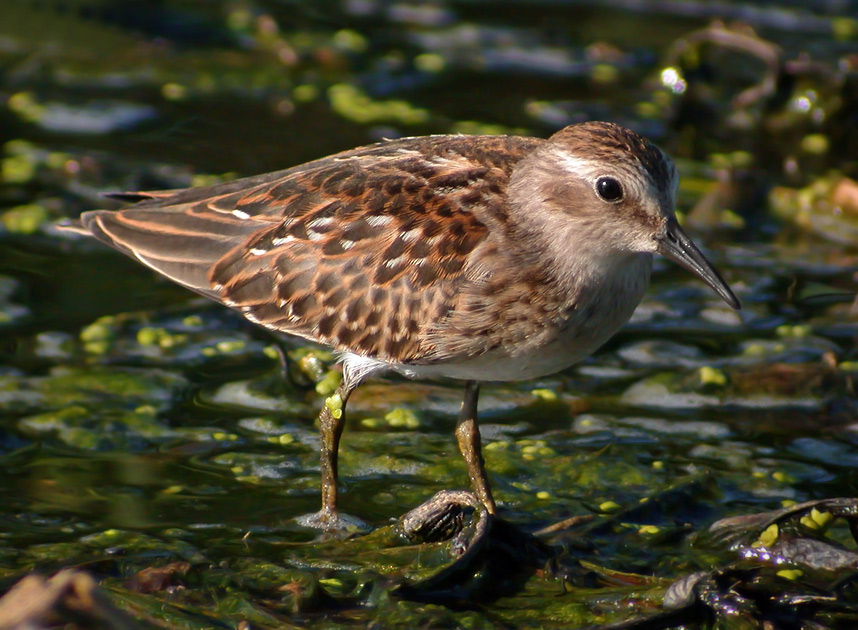
Least Sandpiper

It's hard to believe at this time of year fall bird migration has already been underway for a few weeks. Genetically honed and adapted to Earth's natural cycles, shorebirds like the Least Sandpiper began leaving their Canadian breeding territories in late June, just after the summer solstice. I first noticed a few southbound shorebirds last week (Least and Solitary Sandpipers). Not far from my apartment, there's a drainage pond with good shorebird habitat where I can view and photograph these spectacular migratory birds. Though they've come far already, they still have a long way to go.


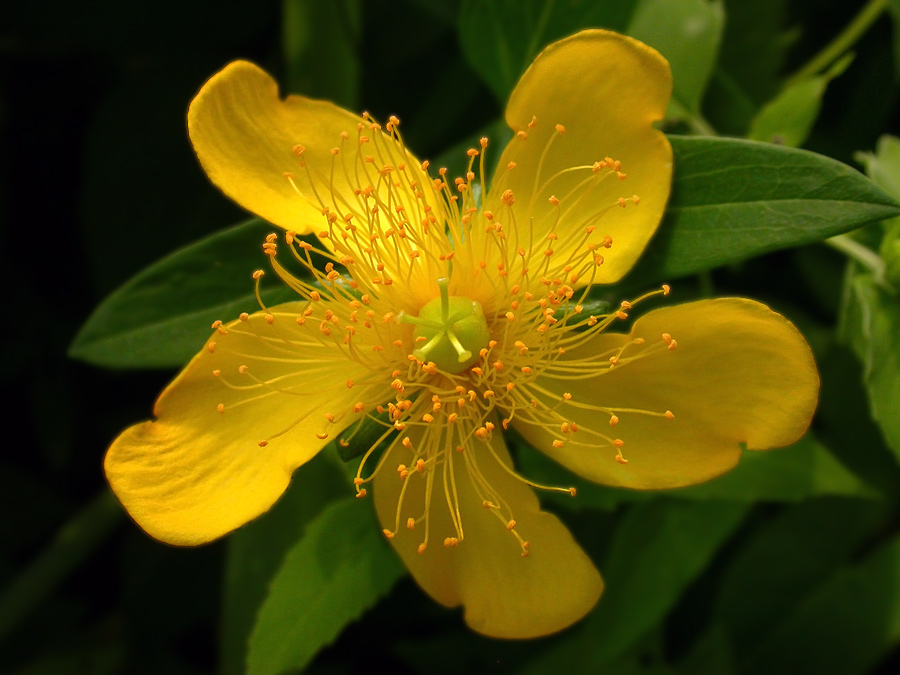
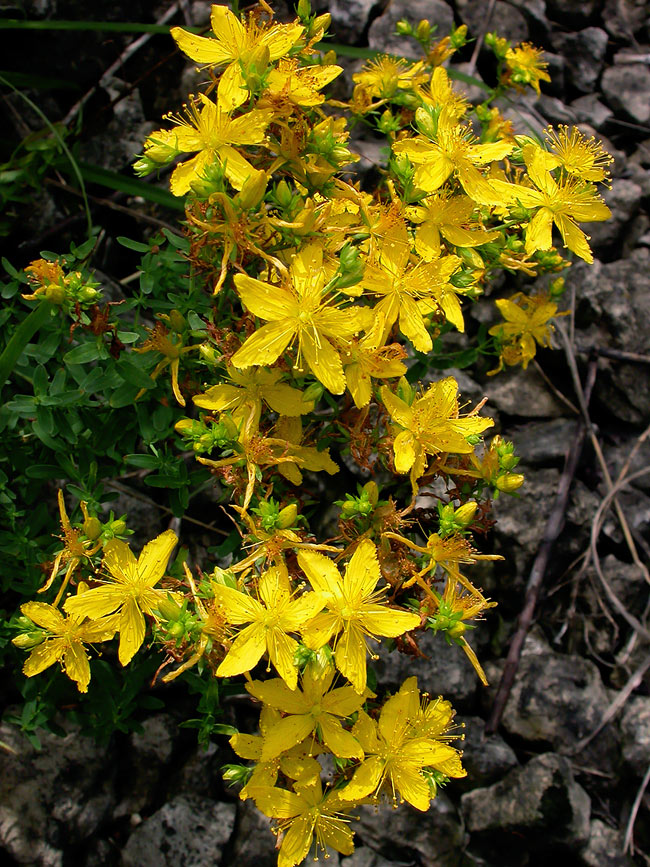
Tall St. John's Wort

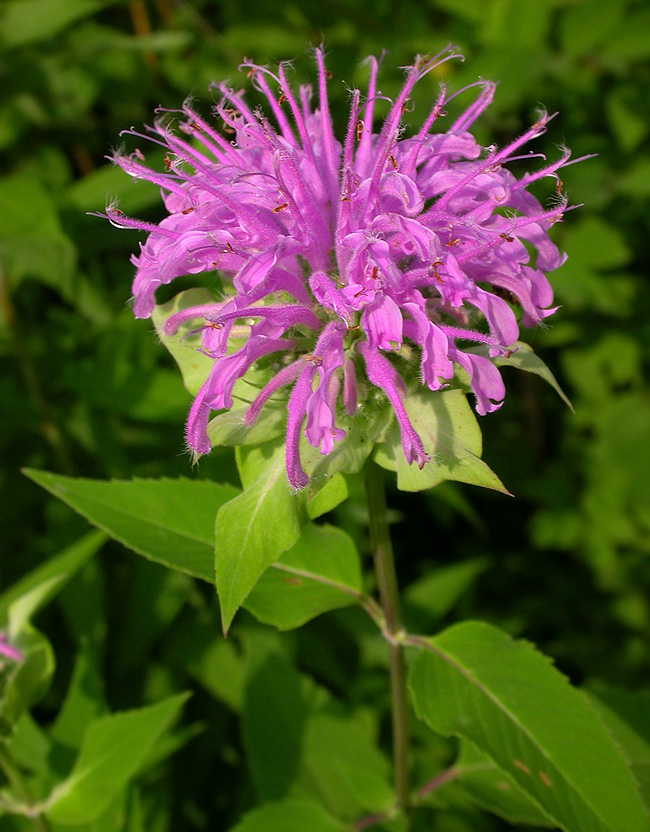
Given the rather uncomfortable hot and humid weather this week, I probably won't spend much time outside. Before it got to warm yesterday morning, I went birding at Pheasant Branch Conservancy via bicycle and found 67 species (mostly by ear). The prairie has reached its summer apex and is adorned with wildflowers like Bergamot, Tall St. John's Wort, False Sunflower, and Purple Cone Flower. It's a beautiful sight, I just wish it wasn't so hot out!


Bergamot

There are still Yellow Warblers and American Redstarts singing, but their songs have become slightly less emphatic. I noticed that an Indigo Bunting was singing only fragments of his full song. I saw Eastern Kingbirds and Baltimore Orioles feeding their recently fledged young. Dickcissels are still singing along Deming Way, creating a lovely grassland rhythm from Song Sparrows, Savannah Sparows, and Eastern Meadowlarks.


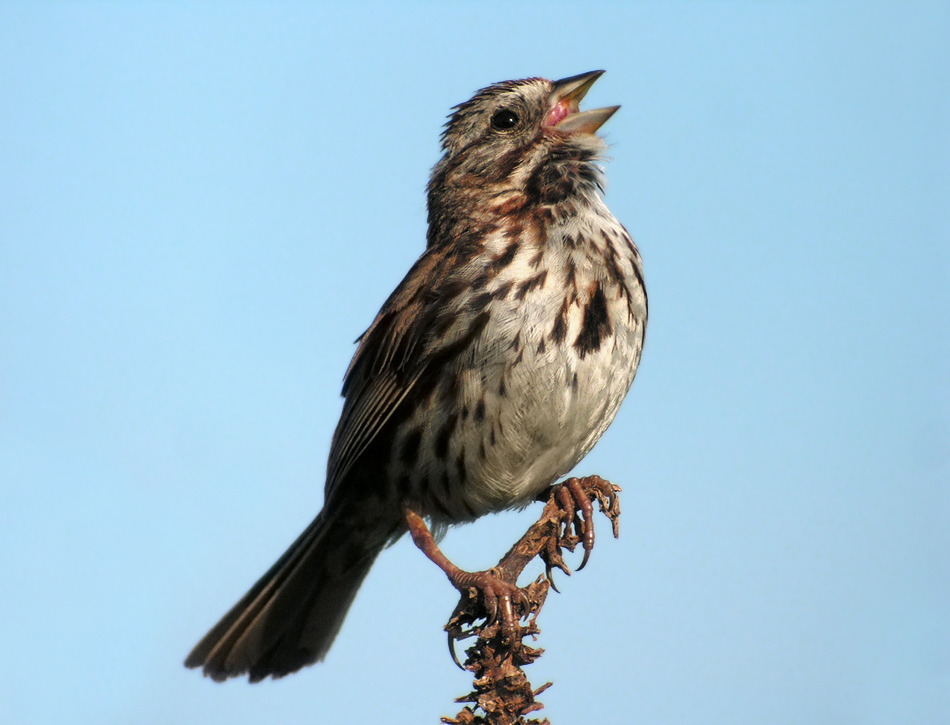
Song Sparrow

"As a species, we are most animated when our days and nights on Earth are touched by the natural world. We can find immeasurable joy in the birth of a child, a great work of art, or falling in love. But all of life is rooted in nature, and a separation from that wider world desensitizes and diminishes our bodies and spirits. Reconnecting to nature, nearby and far, opens new doors to health, creativity, and wonder. It's never too late."

Richard Louv - The Nature Principle

Pheasant Branch, Dane, US-WI
Jul 17, 2011 8:00 AM - 9:45 AM
67 species

Canada Goose
Wood Duck
Mallard
Ring-necked Pheasant
Pied-billed Grebe
Great Blue Heron
Red-tailed Hawk
Sandhill Crane
Killdeer
Spotted Sandpiper
Solitary Sandpiper
Ring-billed Gull
Mourning Dove
Ruby-throated Hummingbird
Belted Kingfisher
Red-bellied Woodpecker
Downy Woodpecker
Hairy Woodpecker
Northern Flicker
Eastern Wood-Pewee
Willow Flycatcher
Eastern Phoebe
Great Crested Flycatcher
Eastern Kingbird
Warbling Vireo
Red-eyed Vireo
Blue Jay
American Crow
Northern Rough-winged Swallow
Tree Swallow
Bank Swallow
Barn Swallow
Cliff Swallow
Black-capped Chickadee
Tufted Titmouse
White-breasted Nuthatch
House Wren
Sedge Wren
Marsh Wren
Blue-gray Gnatcatcher
Eastern Bluebird
Wood Thrush
American Robin
Gray Catbird
European Starling
Cedar Waxwing
Yellow Warbler
American Redstart
Common Yellowthroat
Chipping Sparrow
Clay-colored Sparrow
Field Sparrow
Savannah Sparrow
Song Sparrow
Swamp Sparrow
Northern Cardinal
Indigo Bunting
Dickcissel
Red-winged Blackbird
Eastern Meadowlark
Common Grackle
Brown-headed Cowbird
Orchard Oriole
Baltimore Oriole
House Finch
American Goldfinch
House Sparrow

All images © 2011 Mike McDowell

7.08.2011

P&S Digital Cameras for Digiscoping

Apart from adding a carbon fiber tripod a couple of years ago, I haven't changed my digiscoping gear since 2006. I'm still using an older generation Swarovski ATS80 HD, 20-60x zoom, Swarovski DCA, and a Nikon Coolpix 8400 (discontinued, but still available) for all my digiscoping. For all the macro shots on my blog I use a Nikon Coolpix 4500 (also discontinued). I've yet to spend time with the Canon SD4000 IS we have at the store, but if my 8400 died today it's the camera I would likely replace it with. As I've mentioned in previous posts, unless I've used it extensively, it's difficult for me to recommend particular camera models, though I can tell you what others are using. While just about any DSLR with a 50mm f/1.8 lens will work, here are three point-and-shoot digital cameras recognized by the digiscoping community that work well:


Where to get camera recommendations:

Link: Yahoo Digiscoping Tech Group

Link: Facebook Digiscoping Group

© 2011 Mike McDowell

7.06.2011

Peace and Pace

"For the awakened, there is only one world, and they all share it. Sleeping people live each in his own world, and cannot stop fidgeting."

~ Heraclitus


Spring Green Preserve

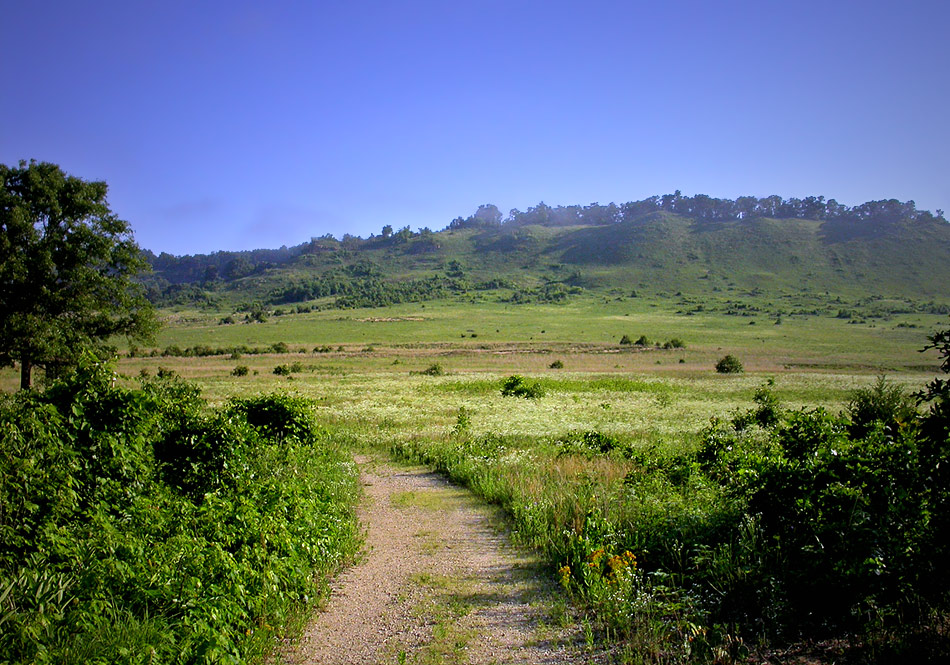
The path through oak barrens opens up to a veritable field of dreams. For me, Spring Green Preserve is one of Wisconsin's most unique natural areas to be experienced on a multitude of layers, mixing senses of science, spirit, and art. The citizen scientist will catalog the prairie's rich flora and fauna and submit data where appropriate for insect and bird species. My spiritual sense embraces the hugeness and beauty of nature which feels timeless and full of possibilities. The artist hopes to capture these moments in images and then share them with an audience like a performance. These layers converge and I find my peace with the world, if only for the hours of my visit.


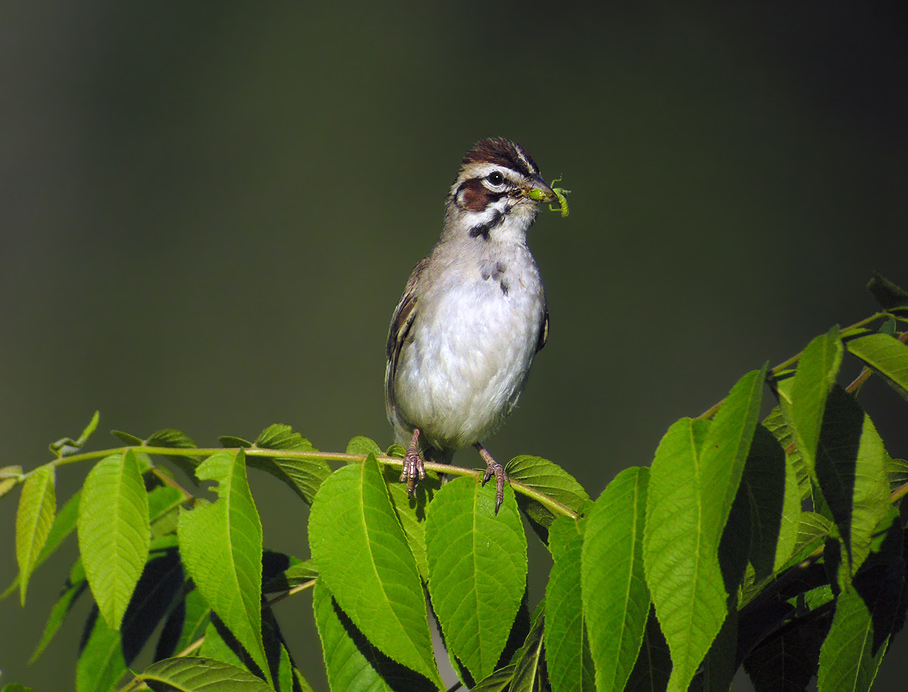
Lark Sparrow with food.

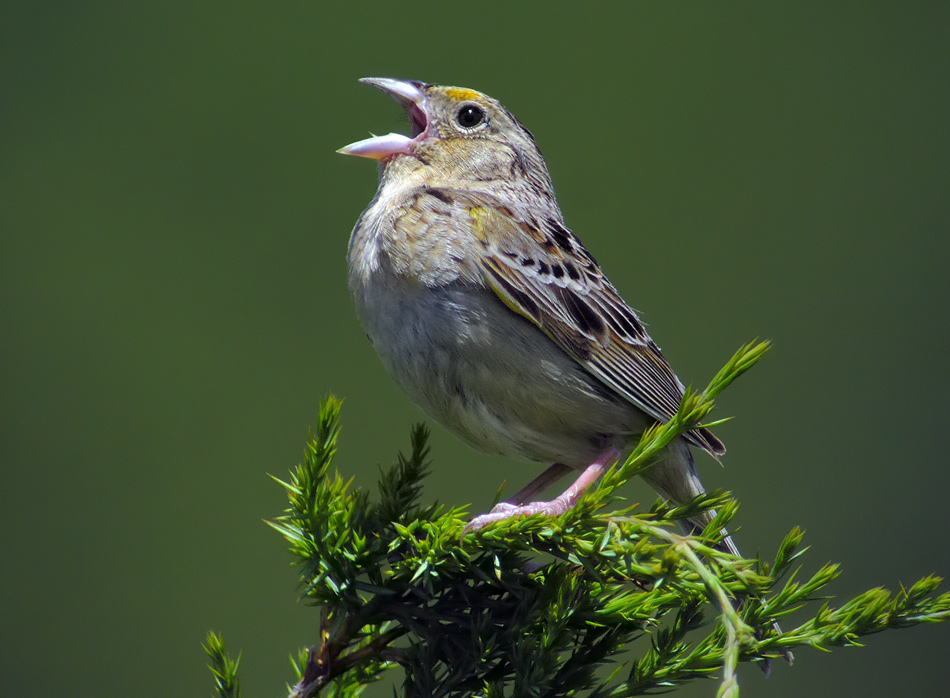
Though I've arrived early just after a dense fog has lifted from the prairie, I see signs in the sand that it's already been a busy morning of eating and evading. I see a Lark Sparrow carrying food suggesting young birds, perhaps a second brood. Abundant Grasshopper Sparrows continue to sing and patrol their territories, chasing away any intruders who cross borders invisible to our senses.


A Grasshopper Sparrow belts out his song.

Listening as I walk, I identify the songs of several other bird species before they're seen, and some before they've even seen me, but most are aware that I have entered. There are Eastern Meadowlarks, Indigo Buntings, Eastern Towhees, and Brown Thrashers. The grassland sparrows sing a variety of songs; some are reminiscent of insects, others more staccato and finch-like, while a few deliver notes that could be called a tune.


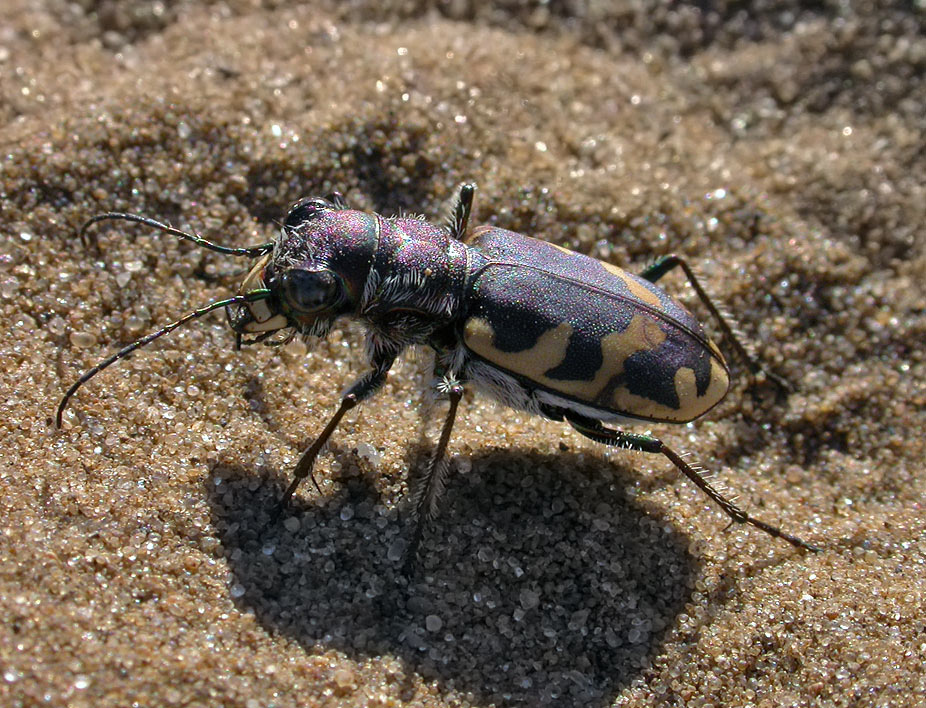
Big Sand Tiger Beetle

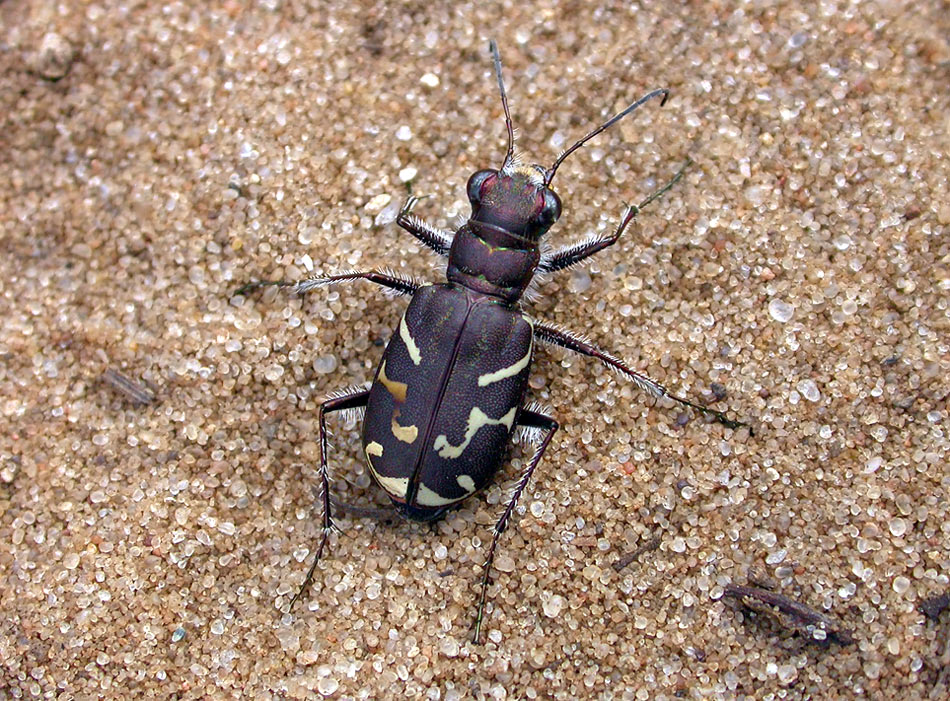
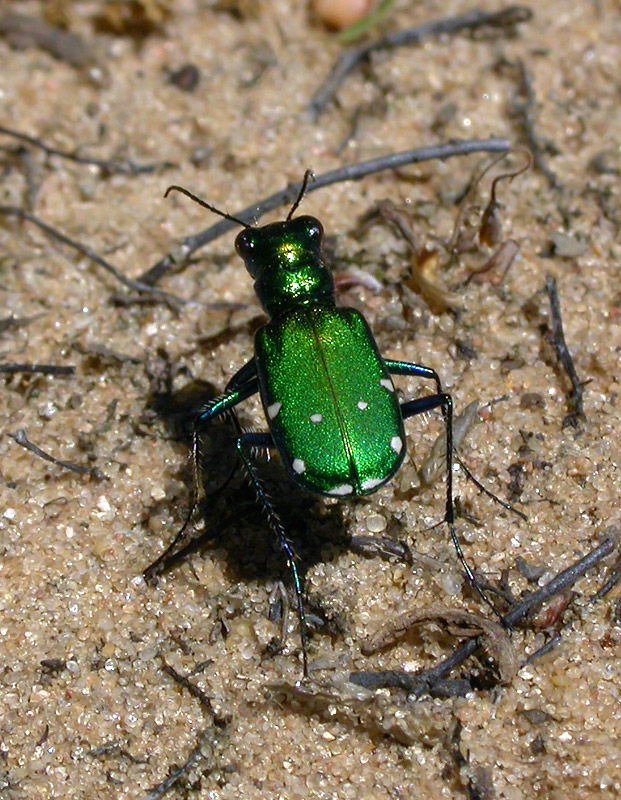
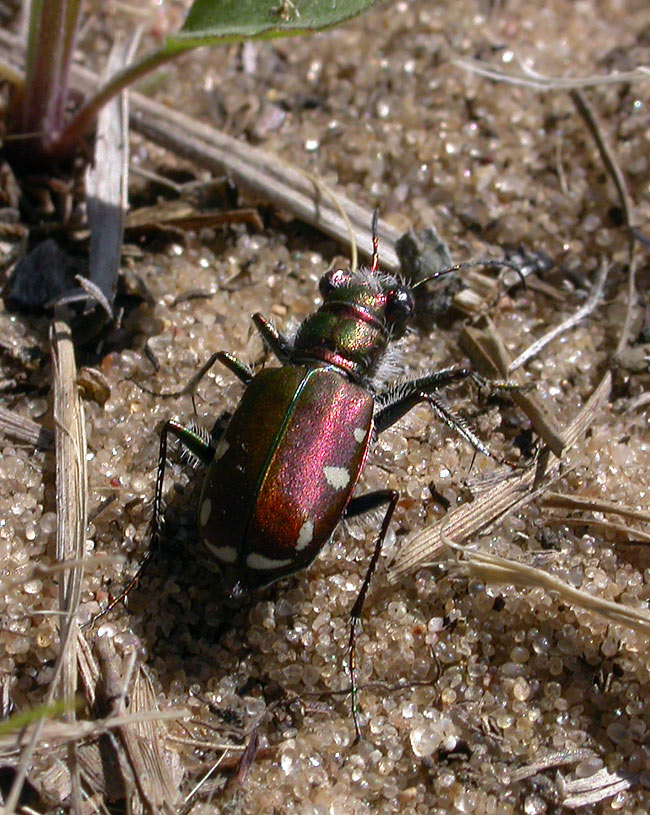
Though I don't want to miss anything flying over the clearing, my eyes must alternate and scan the ground as I walk because there are interesting critters at my feet. Tiger Beetles, Velvet Ants, Robber Flies and even lizards are present to the careful observer. This day I decided to try and photograph as many different Tiger Beetles as I could. According to The Nature Conservancy, there are eight at the prairie, but I was only able to find half of them during my treasure hunt.


Obliqued-lined Tiger Beetle


Six-spotted Tiger Beetle


Festive Tiger Beetle

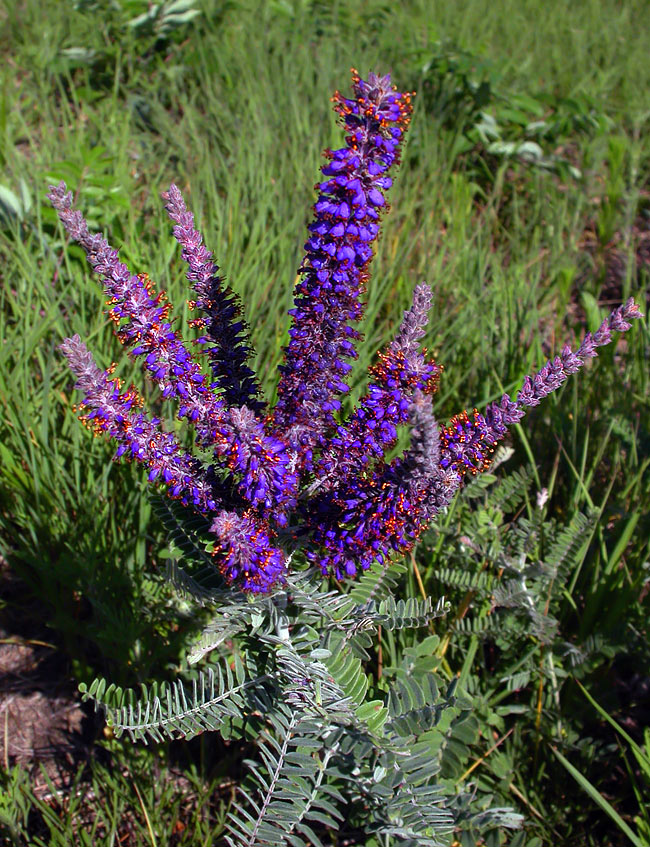
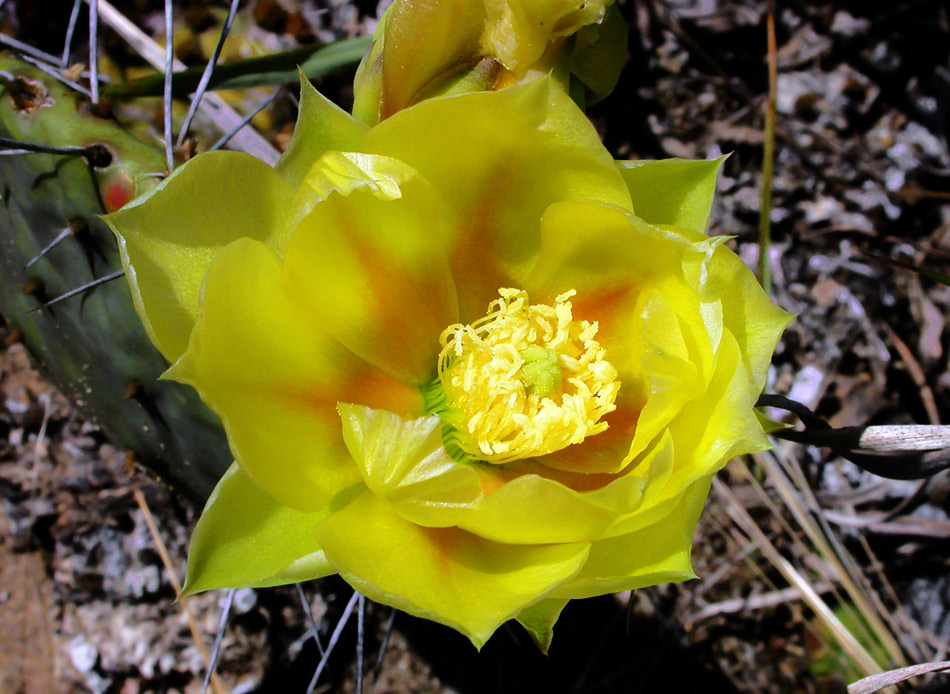
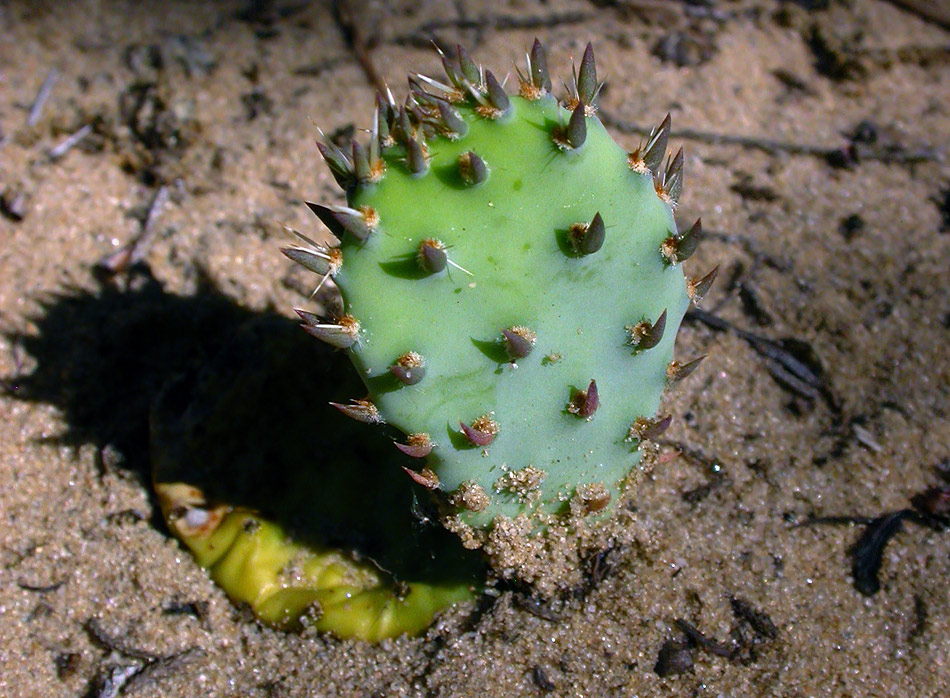
The sand prairie's wildflowers are between peaks, but some colorful ones are still in bloom like Prickly Pear Cactus, Lead Plant, and Spiderwort.


Lead Plant


Prickly Pear Cactus in bloom.

Five hours have passed before I know it. My visit is over. I probably won't return to Spring Green Preserve again until sometime next year. Meanwhile, there will be fade, migration, hibernation, death, decay, and eventual rebirth. And one day next April or May the prairie will be on parade once again.


Farewell...

All images © 2011 Mike McDowell

7.04.2011

Close to Home


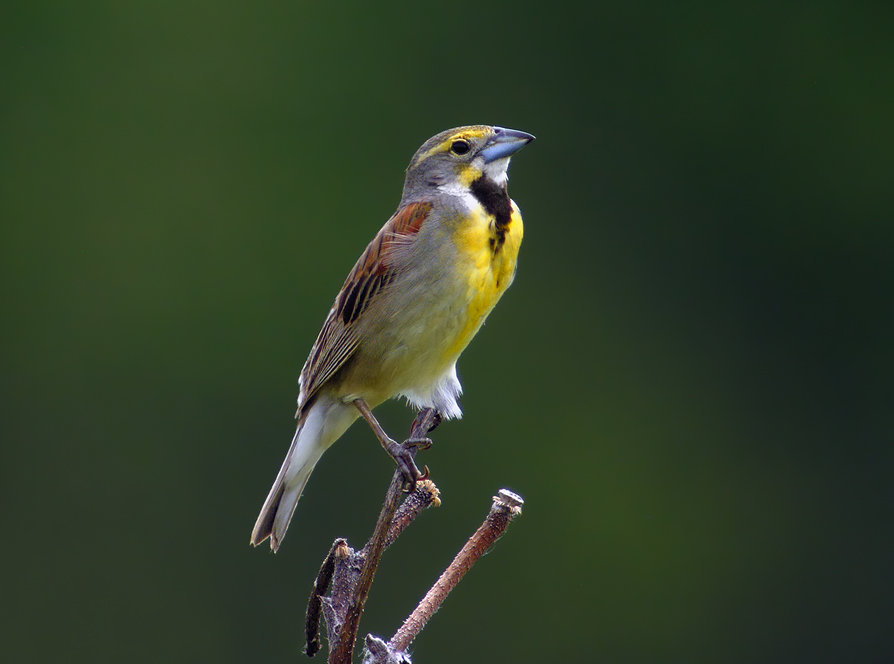
Dickcissel

It's been a wonderful summer for watching Dickcissels in southern Wisconsin; I'm finding them at prairies and fallow fields I've not observed them at in years past. Have you been seeing or hearing them? Enjoy them for the remainder of July because they'll be a lot harder to find in early August when males begin to reduce their song output.

Without a doubt, birds are the most obvious wildlife photography subjects and it's pretty easy to find common ones (if you're not too particular) even in your own backyard. There's a great deal of diversity out there, more than the average person might guess. Within a few miles of my apartment I can find close to 80 species during this time of year. Of course, I have Pheasant Branch Conservancy and other natural areas close by.


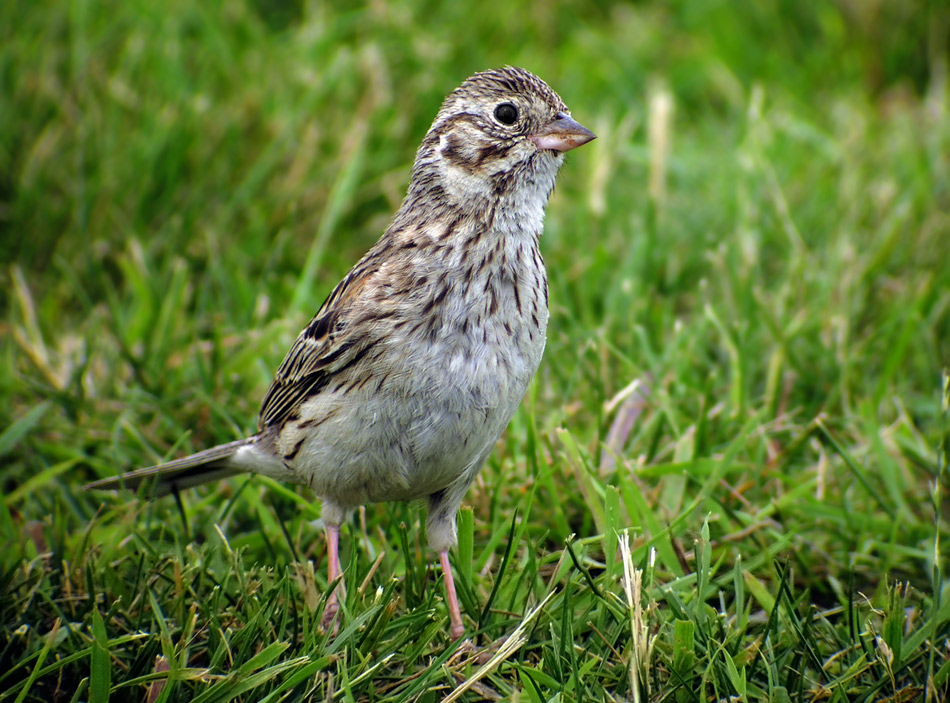
Vesper Sparrow

Sometimes birds even find you. While sitting at a picnic table at Pope Farm Park yesterday afternoon, I spotted a Vesper Sparrow meandering through the mowed grass toward me. Well, it wasn't actually coming at me but had its eye on a dry soil spot in the grass for a dust bath. Birds do this as a way to clean their feathers and skin from parasites. It would have been cool to get a video clip, but I wasn't sure what the bird was up to until it was too late to switch my camera's recording mode. I know how many dial clicks it is from aperture priority to image previews, but I have to look whenever I set it to video.


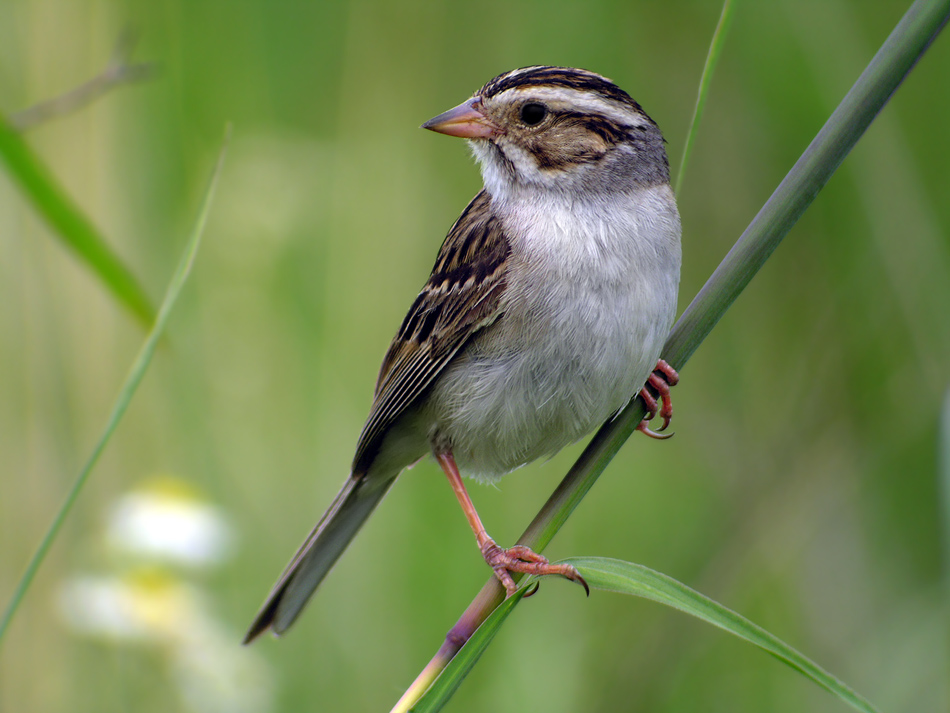
Clay-colored Sparrow


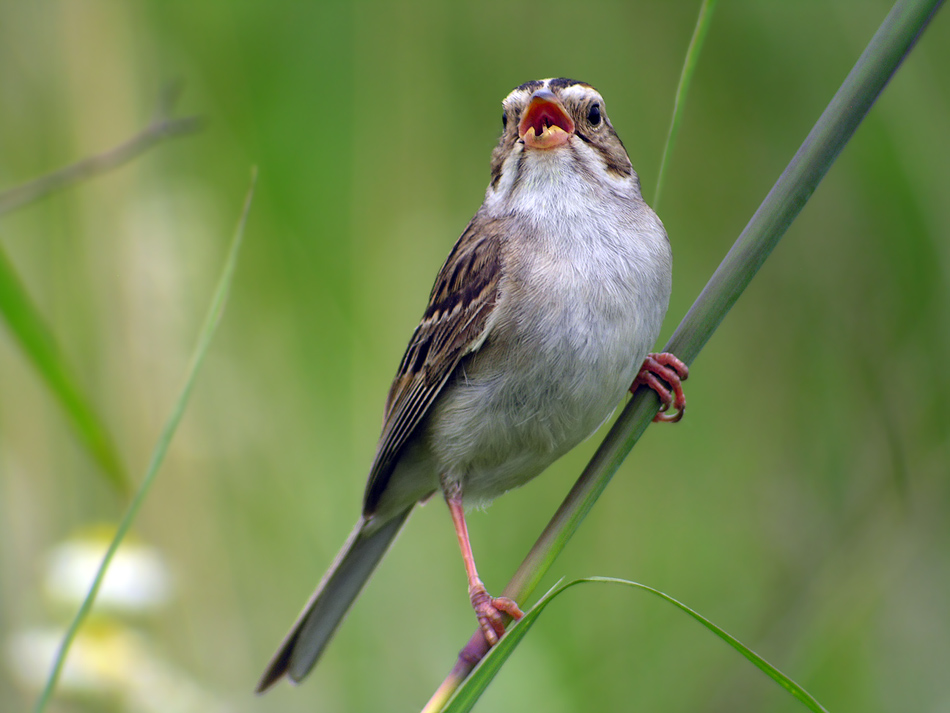
Singing Clay-colored Sparrow

A layer of high altitude clouds thickened as the afternoon progressed and eventually began hampering the light for digiscoping, but I still managed to get some good images of Clay-colored Sparrows. They were very active and vocal with their diminutive buzz-buzz-buzz songs.


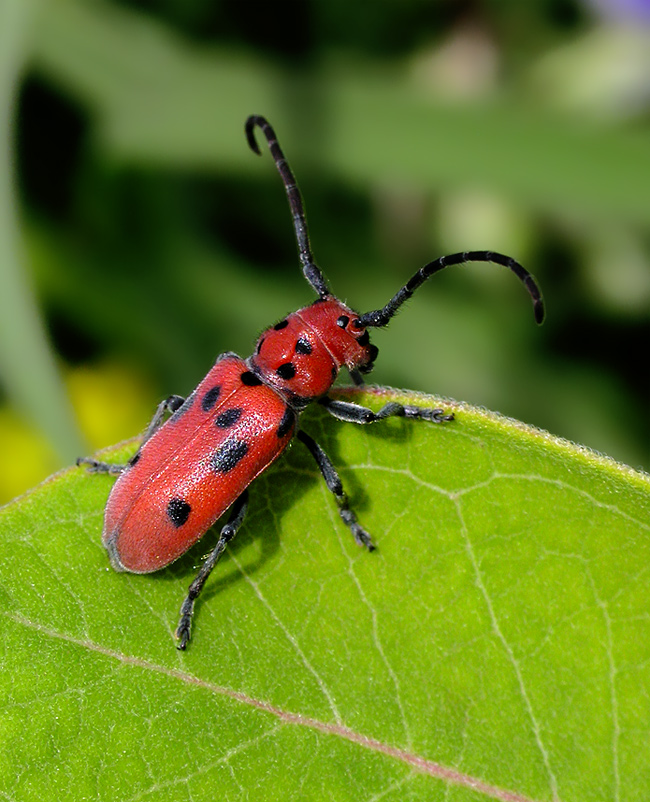
Here's a Red Milkweed Beetle. Both parts of its binomial Latin name, tetraopes tetrophthalmus, translate to "four eyes" for the way the beetle's antennae bisects its compound eye. When disturbed, these beetles make a squeaking sound by rubbing together rough areas on the thorax.


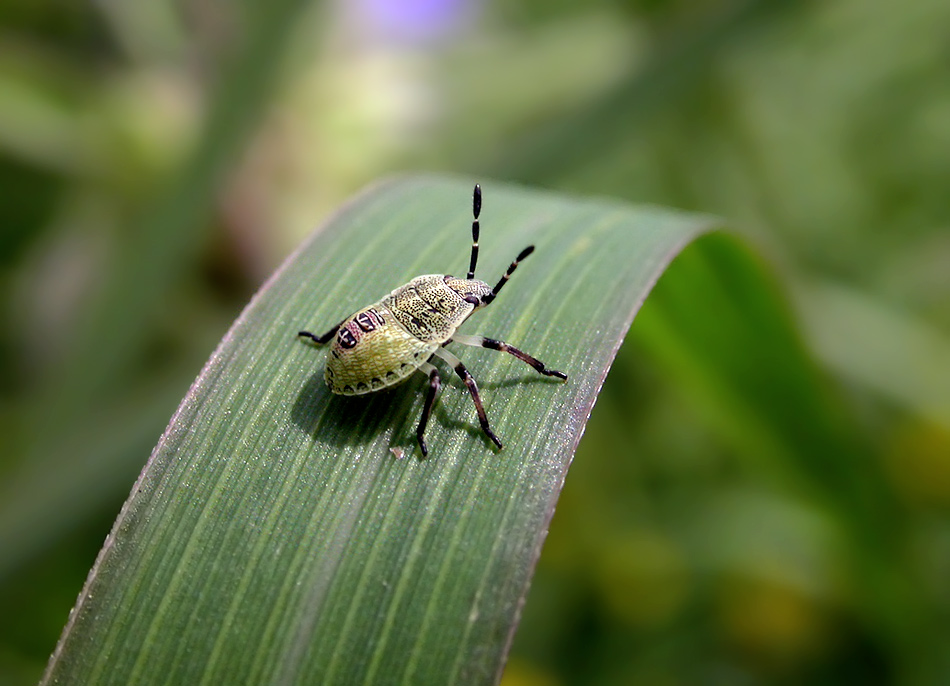
This is a Stink Bug nymph, but I'm not sure which species. I think it might be Brown Stink Bug (Euschistus servus).


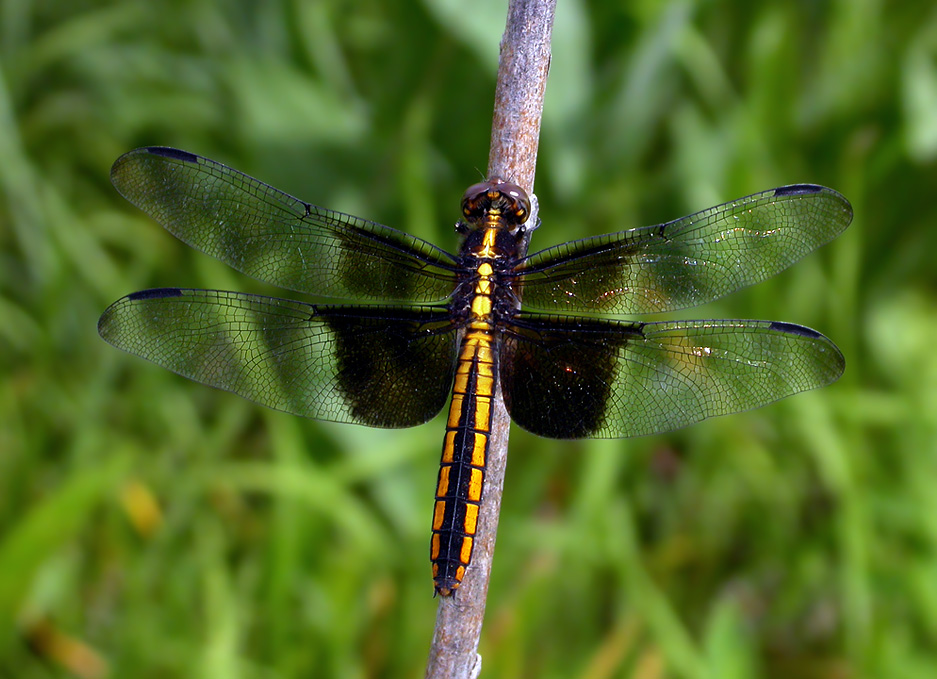
In addition to this Widow Skimmer dragonfly, I also saw Common Whitetail, Halloween Pennant, and Twelve-spotted Skimmer. Monarchs and Black Swallowtails were the most prevalent butterflies, but were too active to be photographed.

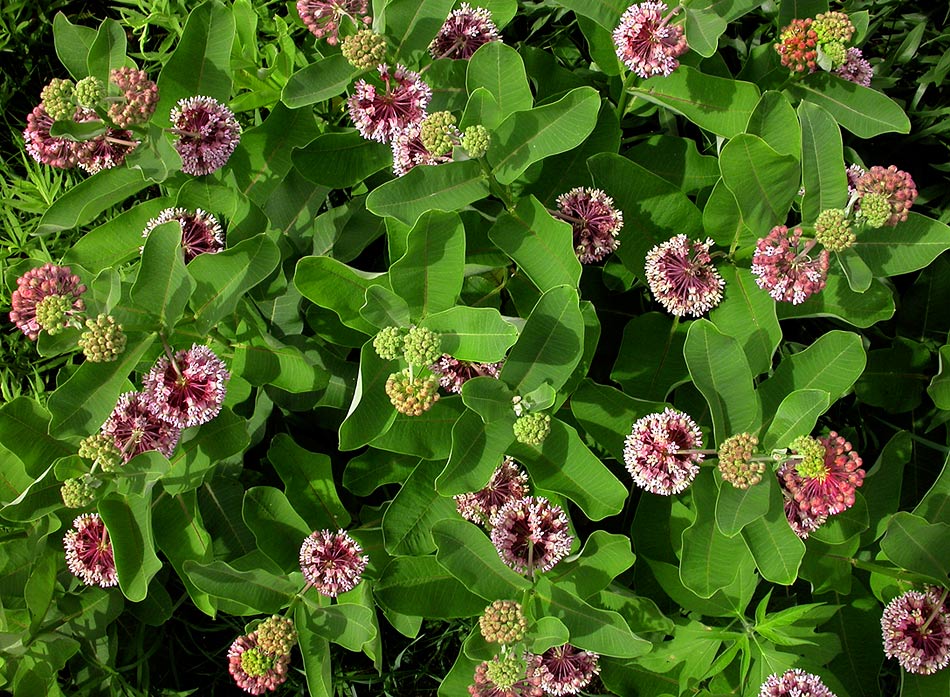
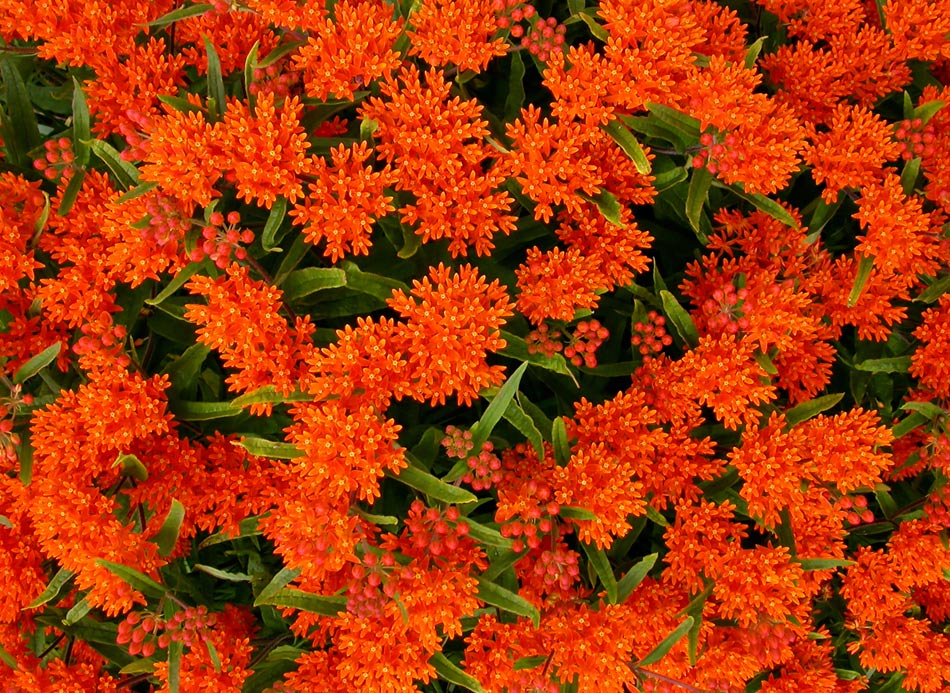
Here's fireworks from Nature for the 4th of July:


Milkweed from above!


Fiery Butterfly Milkweed


St. John's Wort


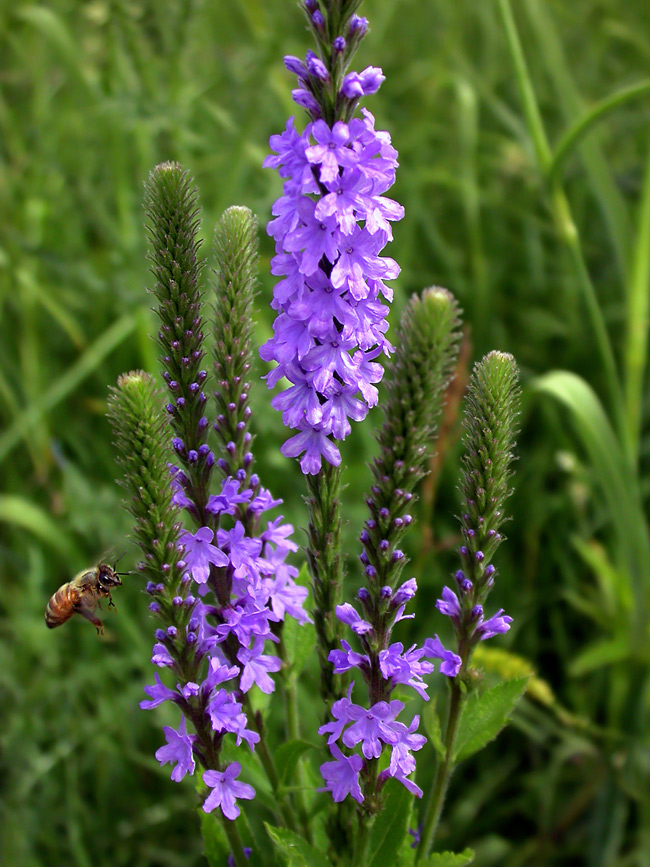
Hoary Vervain and a Honey Bee!

All images © 2011 Mike McDowell