3.27.2017

More Returning Birds!

"I miss it if I’m not in it for any length of time; I don’t feel comfortable. I want trees and I want frequent rain."

― Murray Morgan


Eastern Phoebe

It was a perfectly dreary weekend of rain and overcast skies. Nevertheless, I found a few opportunities to walk along the creek corridor of Pheasant Branch Conservancy. Migratory birds have been pushing through despite the gloomy weather. I observed my first Eastern Phoebes, Golden-crowned Kinglets, and Yellow-rumped Warblers of spring. I also found a few Common Loons in breeding plumage at the northwest corner of Lake Mendota.

We're going to have seasonal temperatures for the next week ― that should bring in more birds!

Pheasant Branch, Dane, Wisconsin, US
Mar 24, 2017 4:15 PM - 6:15 PM
42 species

Canada Goose
Wood Duck
Mallard
Northern Shoveler
Green-winged Teal
Bufflehead
Pied-billed Grebe
Great Blue Heron
Red-tailed Hawk
Sandhill Crane
Killdeer
Ring-billed Gull
Rock Pigeon
Mourning Dove
Belted Kingfisher
Red-bellied Woodpecker
Downy Woodpecker
Hairy Woodpecker
Northern Flicker
American Kestrel
Eastern Phoebe
Blue Jay
American Crow
Black-capped Chickadee
Tufted Titmouse
White-breasted Nuthatch
Brown Creeper
Golden-crowned Kinglet
American Robin
European Starling
Cedar Waxwing
Yellow-rumped Warbler
American Tree Sparrow
Fox Sparrow
Dark-eyed Junco
Song Sparrow
Northern Cardinal
Red-winged Blackbird
Eastern Meadowlark
Common Grackle
House Finch
House Sparrow

All images © 2017 Mike McDowell

3.19.2017

A little more color...

"The beauty and mystery of this world only emerges through affection, attention, interest and compassion. Open your eyes wide and actually see this world by attending to its colors, details and irony."

― Orhan Pamuk


Pheasant Branch Conservancy

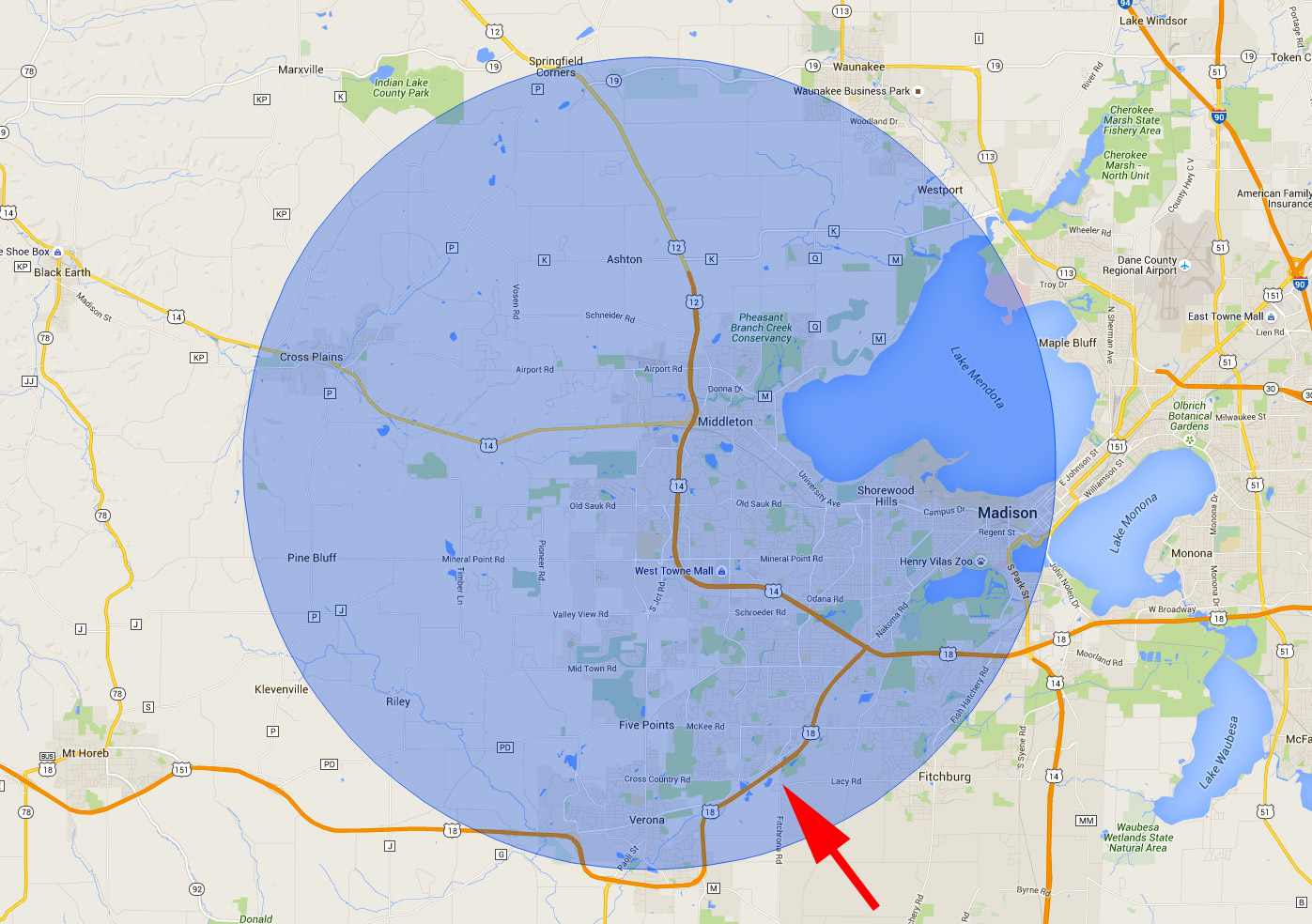
I visited several natural areas over the weekend within my eBird count circle, searching for new spring arrivals. Some of my favorite habitat patches are within the circle, including Pheasant Branch Conservancy, Pope Farm Conservancy, Owen Conservation Park, Middleton's kettle ponds, and a good portion of Lake Mendota. When being thorough, it's possible to observe over 200 bird species during the year in the 7.5 mile radius centered from my apartment.


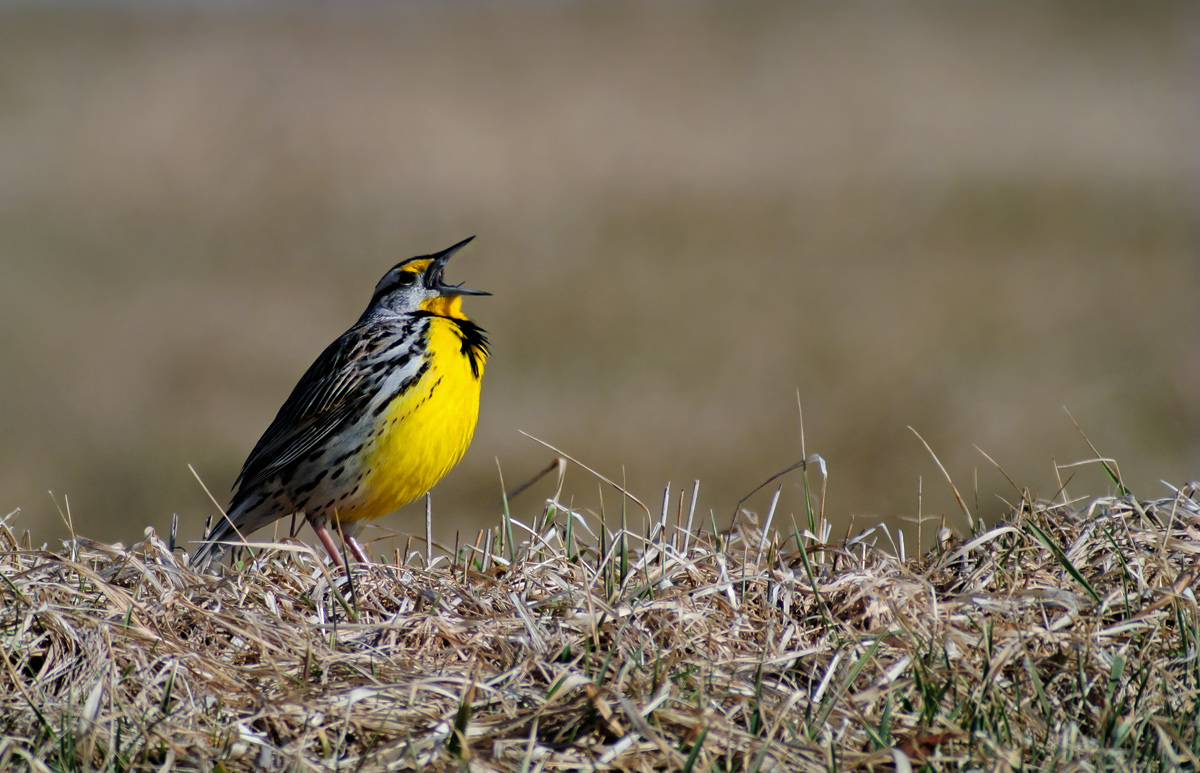
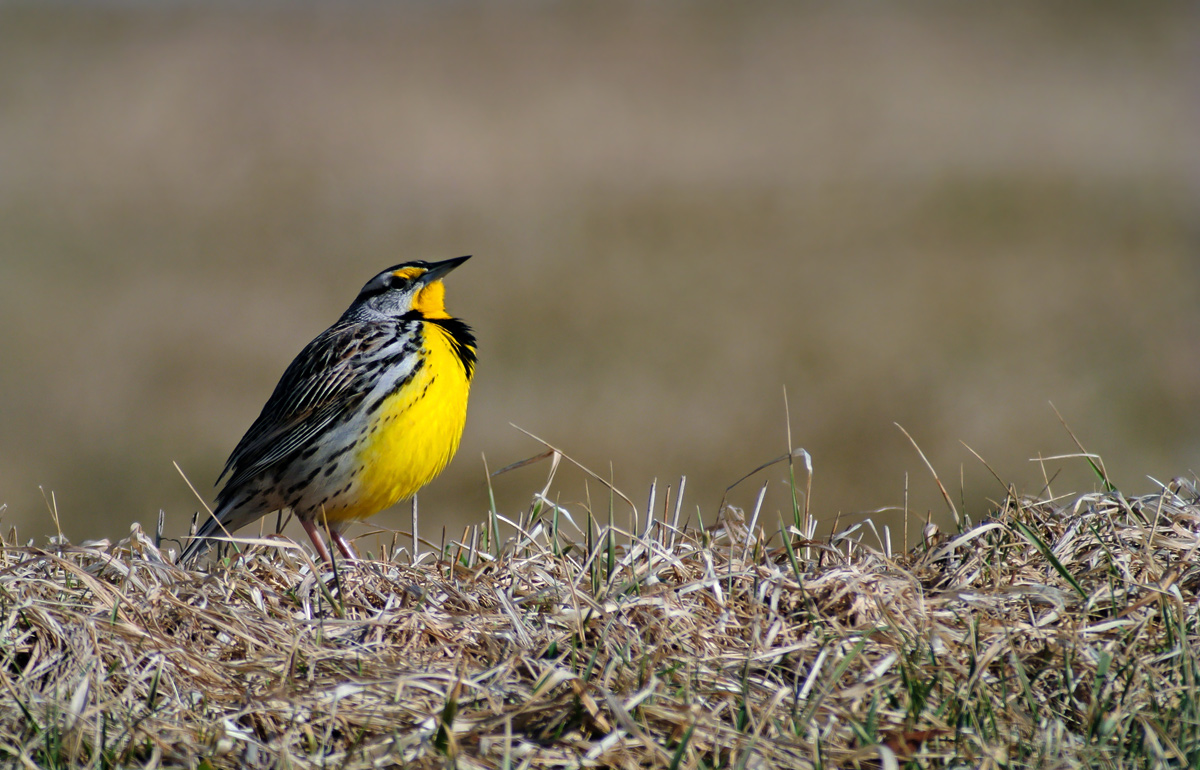
Eastern Meadowlark

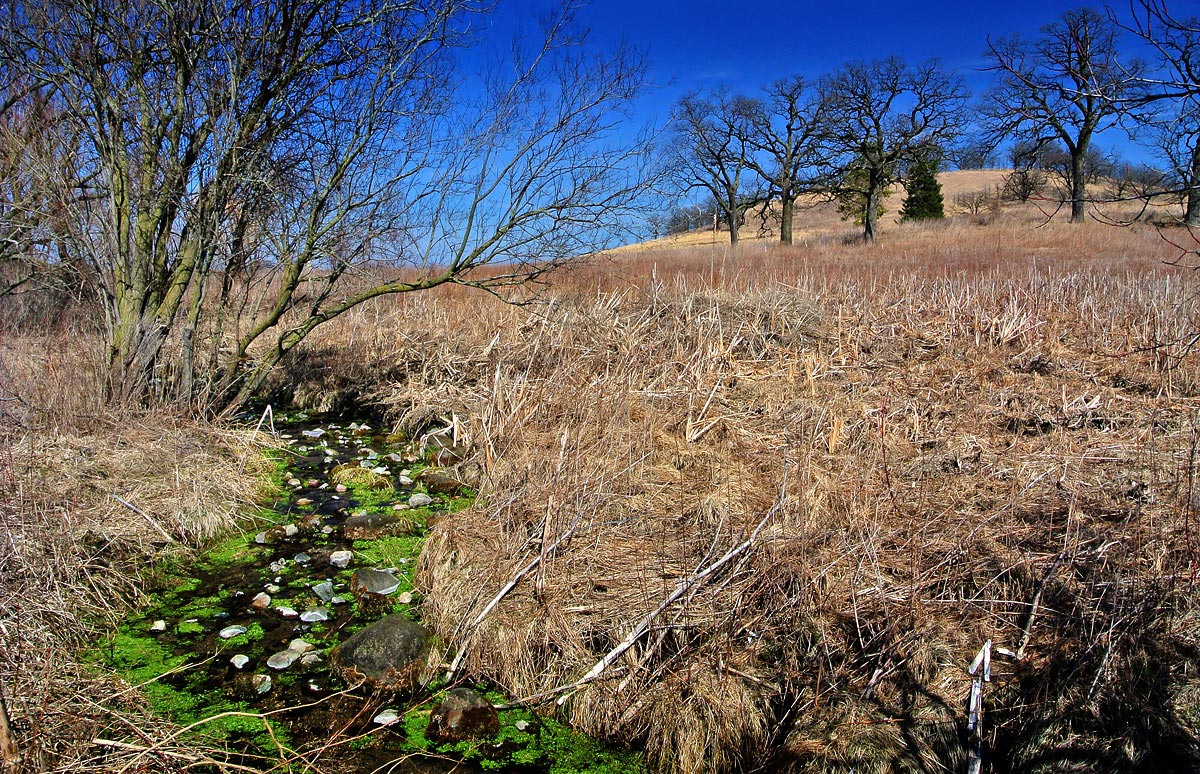
My first stop was the North Fork section along Pheasant Branch Creek. The sun had been up for a few hours, but it was still a little below freezing by the time I hit the field. The cold air didn't deter the Eastern Meadowlarks, though. There were three of them in the field adjacent to the marsh, singing throughout my visit. Well, except for when an American Kestrel flew through. A few American Robins gave alarm calls, but I think they (and the meadowlarks) were probably pretty safe, as kestrels go for smaller prey items like shrews, voles, and other rodents. They'll eat large insects (grasshoppers, dragonflies, beetles, etc.), but they probably weren't going to find any of those today.


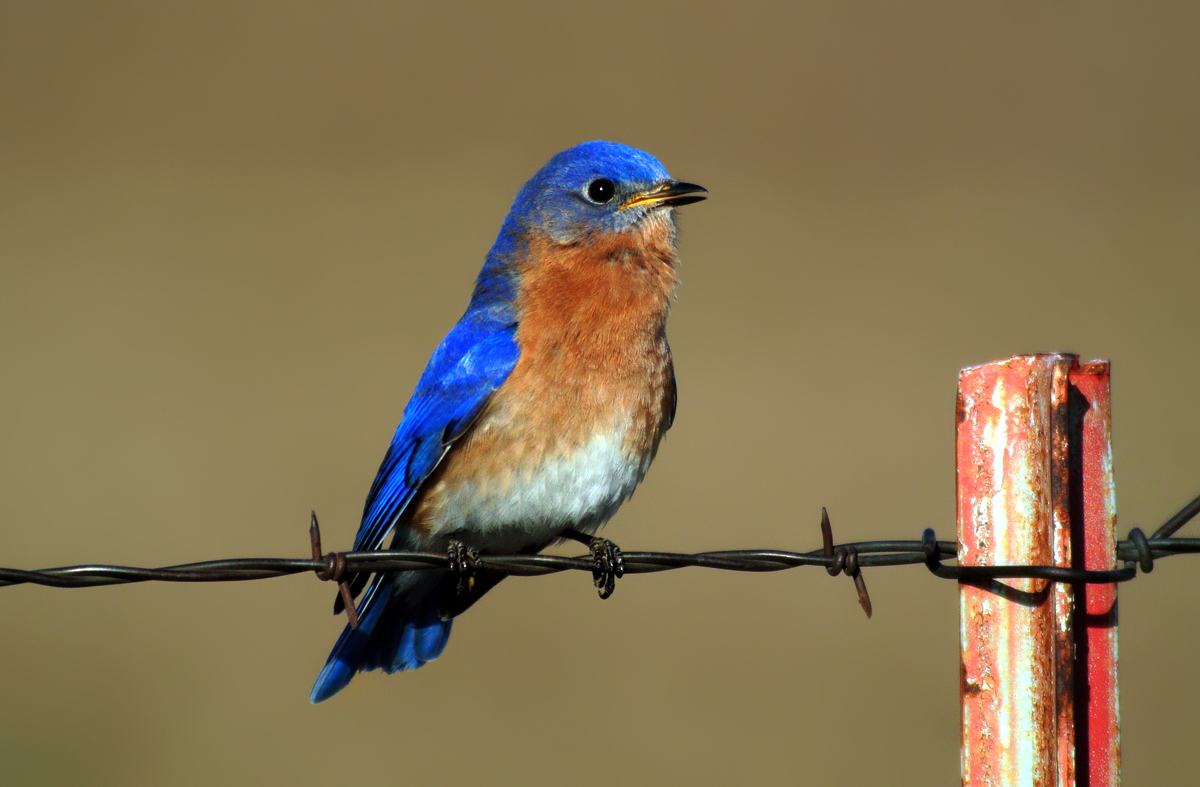
I checked Pope Farm Conservancy to see if any Eastern Bluebirds were back. I found just one pair foraging along fence line near the gardens. From their barbed wire perch, the male was keeping lookout and serenading his mate while she was scanning the ground for small insects in the grass below. Every minute or so they would drop to the ground, presumably discovering a morsel to eat.


Eastern Bluebird (male)


Eastern Bluebird (female)

I also checked the creek corridor between Parmenter Street and Century Avenue, but it was mostly an ensemble of winter birds. Northern Cardinals were the dominant singers, but there were lots of trilling Dark-eyed Juncos offering their voices to winter's final day.


Pussy willow catkins

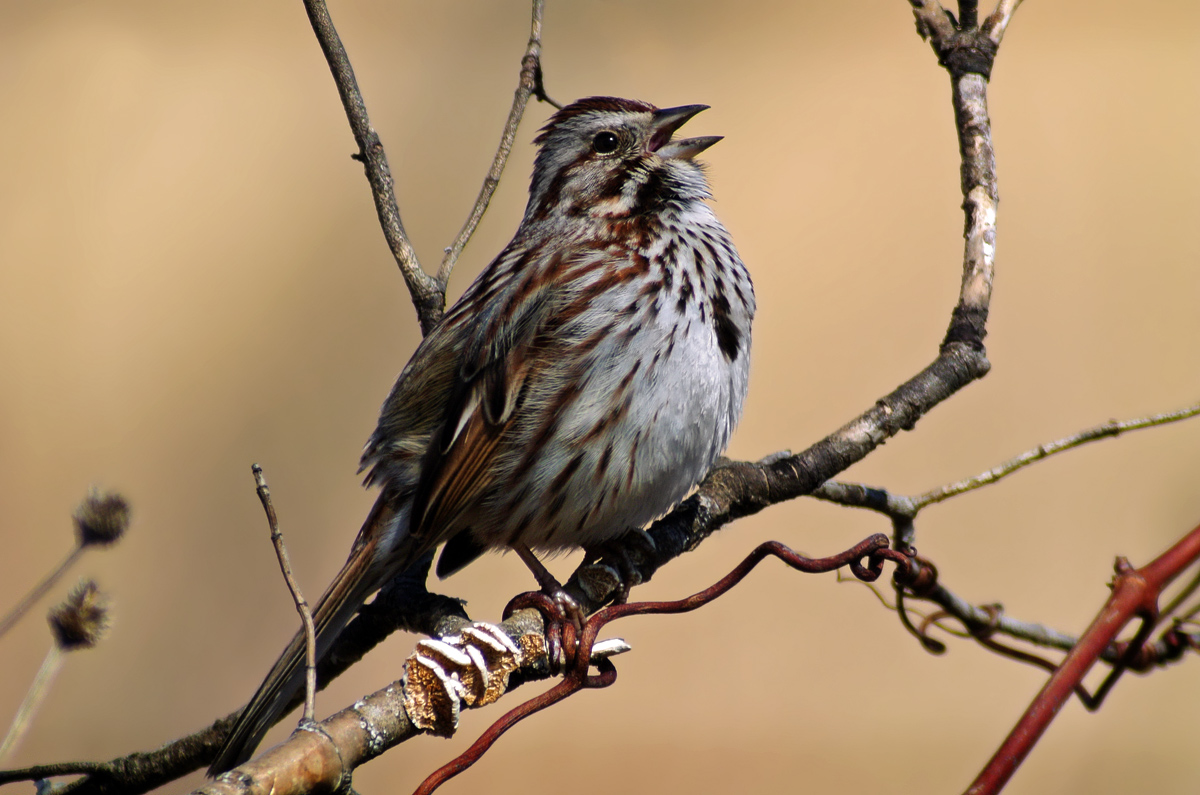
My last stop of the day was the prairie parcel of Pheasant Branch Conservancy. There were still a few American Tree Sparrows around, but I sensed most of them were well on their journey back to the north. In their place, singing Song Sparrows could be found throughout the prairie. A sparrow's song is best broadcast from a perch of adequate height.


Song Sparrow

Resting from my hike, I sat down on the wooden observation platform and watched a pair of Red-tailed Hawks circling over the prairie. To be sure, it was an average day of birding. I didn't find many new arrivals in terms of avian species, but there are definitely more birds defending territories. The best part of this otherwise ordinary day was simply how much sense it all made to me that I should be there watching and recording.


Pheasant Branch, Dane, Wisconsin, US
Mar 18, 2017 10:30 AM - 12:30 PM
38 species

Canada Goose
Wood Duck
Mallard
Blue-winged Teal
Northern Shoveler
Green-winged Teal
Ring-necked Pheasant
Turkey Vulture
Cooper's Hawk
Red-tailed Hawk
Sandhill Crane
Killdeer
Ring-billed Gull
Rock Pigeon
Mourning Dove
Great Horned Owl
Red-bellied Woodpecker
Downy Woodpecker
Hairy Woodpecker
American Kestrel
Blue Jay
American Crow
Horned Lark
Black-capped Chickadee
Tufted Titmouse
White-breasted Nuthatch
Brown Creeper
American Robin
European Starling
American Tree Sparrow
Dark-eyed Junco
Song Sparrow
Northern Cardinal
Red-winged Blackbird
Eastern Meadowlark
Common Grackle
House Finch
American Goldfinch

All images © 2017 Mike McDowell

3.12.2017

A Few March Songs

"In order to see birds it is necessary to become a part of the silence."

― Robert Lynd


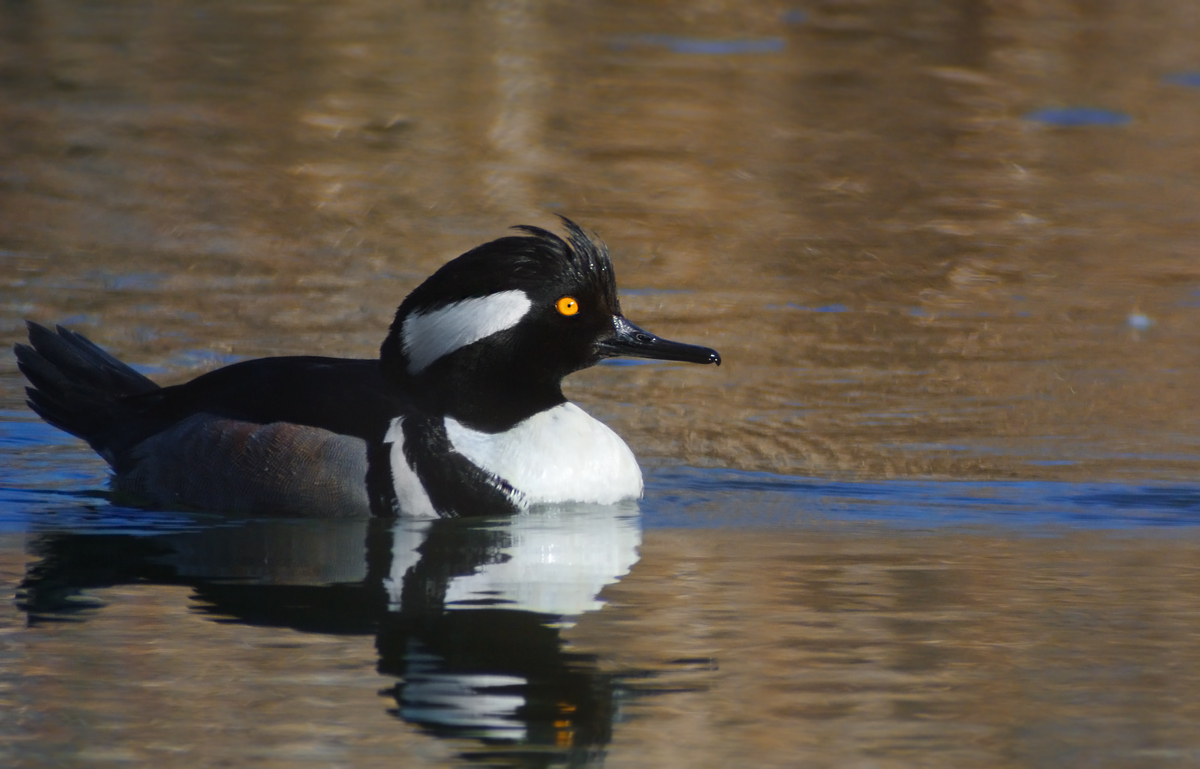
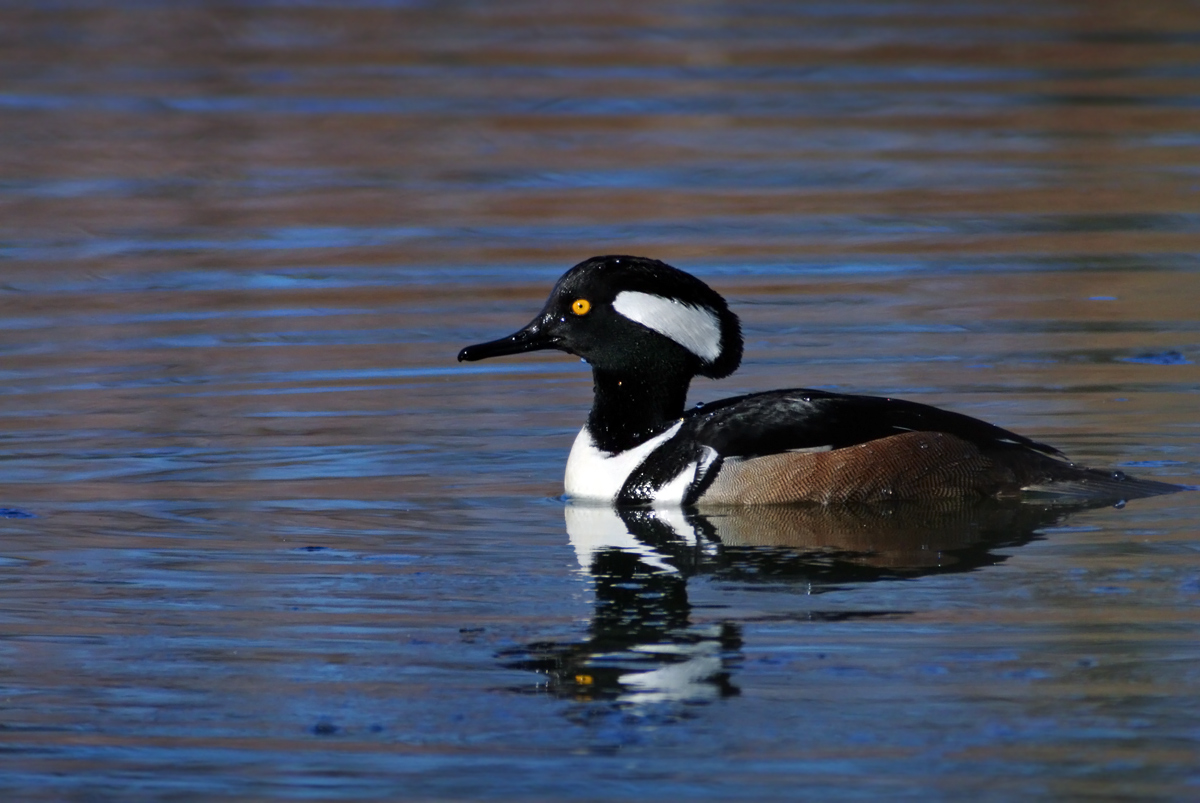
Hooded Merganser

The section of trail that runs along the North Fork section of Pheasant Branch Creek is a great place to observe and photograph early spring migrants. On account of freezing temperatures, the confluence ponds were open in only a few areas on Saturday, but were frozen by Sunday morning. There was a single Hooded Merganser, a Lesser Scaup, Mallards, Northern Shoveler, and several Canada Geese present, but they likely left for Lake Mendota where there is still open water.


March's habitat color primarily consists of browns and blues. The newly arriving birds offer other colors, often red or yellow dramatic highlights ― perhaps an eye, a wing, or cap. But there are March sounds, too. Once the male Hooded Mergansers begin their courtship displays, they emit a call that's more frog-like than bird.

Hooded Merganser:


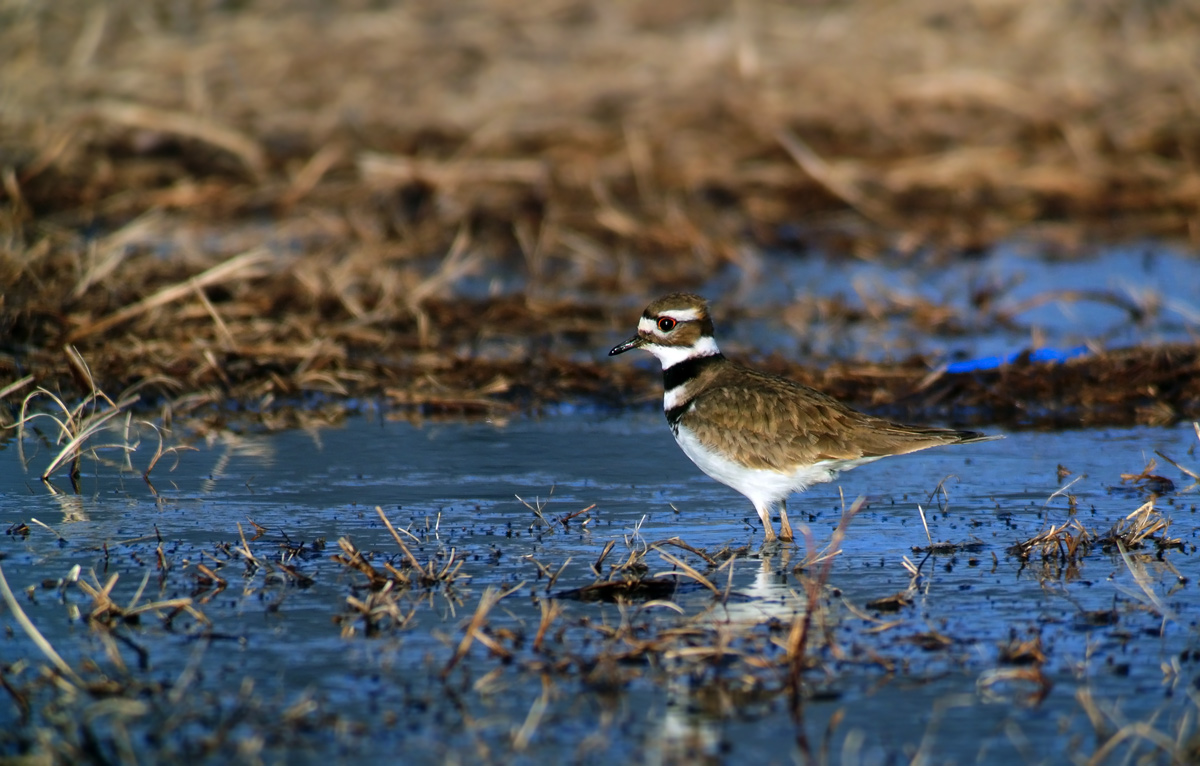
Killdeer

Even if you're not a bird enthusiast, I'm sure you'll recognize the songs and calls I've included in this blog post. Perhaps you've heard them while running an errand at a store that has a small wetland nearby, or maybe while doing yard work. These voices provide the soundtrack for early spring. Well, it isn't astronomical spring just yet, but Nature doesn't waste any time when weather conditions are favorable to exploit resources for future nesting opportunities.

Killdeer:


Red-winged Blackbird

Maybe you haven't spent much time outside so far this year. So, for the remainder of this post, I would like you to imagine yourself walking along a trail adjacent to a marsh. Play the recordings while admiring the birds. You should be able to play more than one at a time. Imagine you have a camera and you feel compelled to photograph the critters you encounter. In the truest Mary Oliver sense, there is nothing else I'd rather be doing. There is nothing else I should be doing.

Red-winged Blackbird:


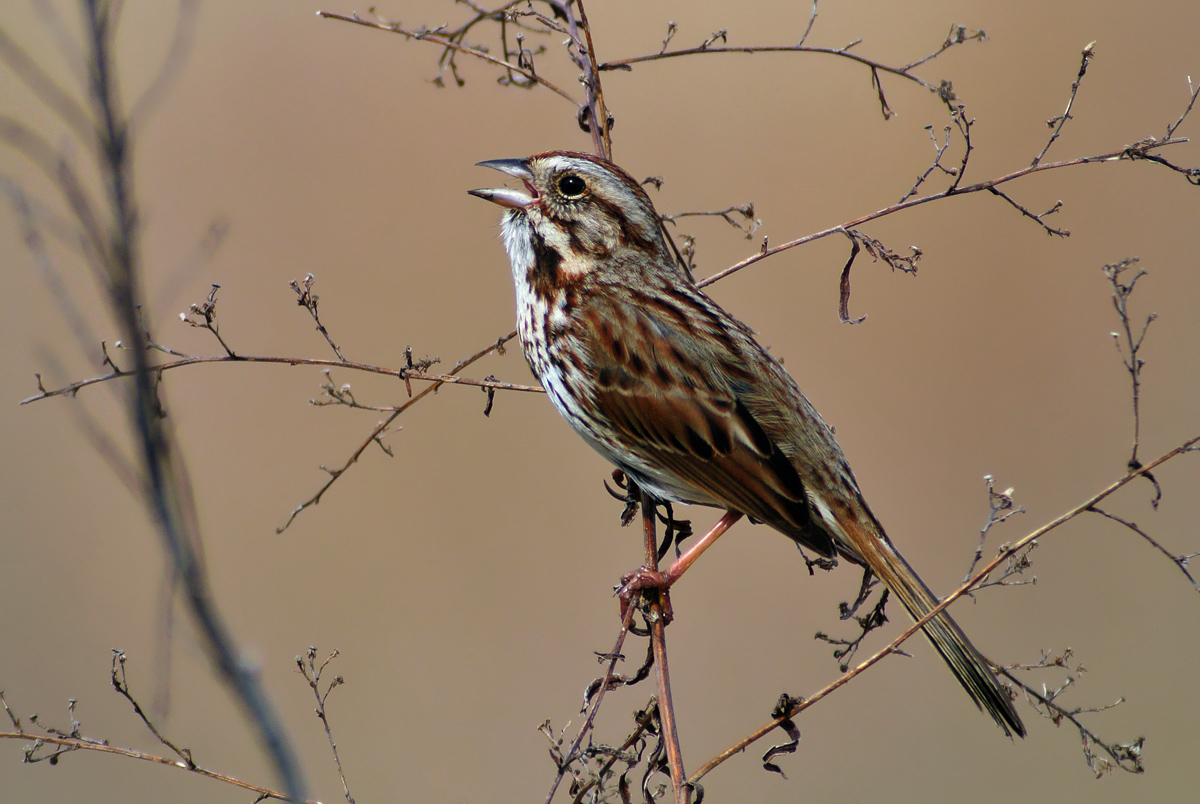
Song Sparrow

Song Sparrow:


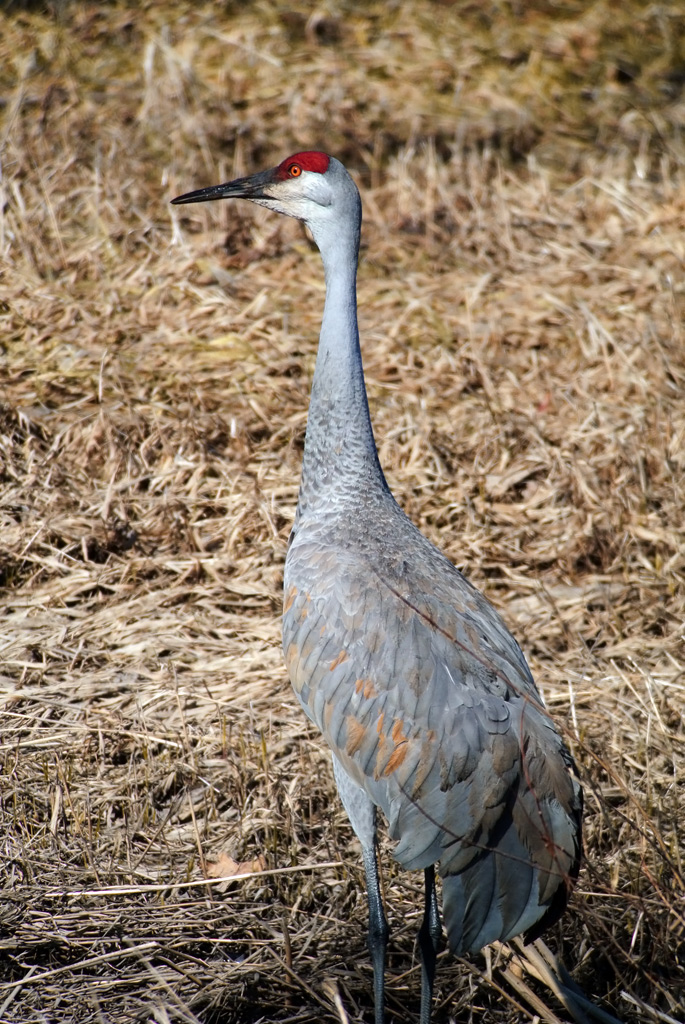
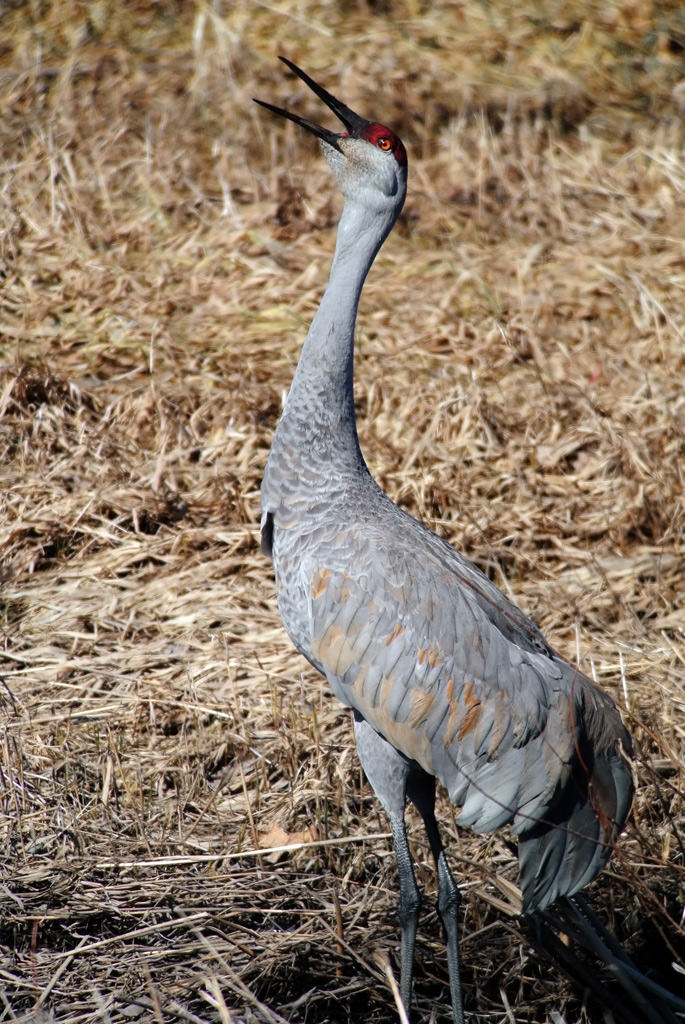
Sandhill Crane

And if I should ever learn I have only  few weeks left of my life, I wouldn't travel to Galapagos, New Zealand, or Borneo ― I would spend as much time as I could at Pheasant Branch Conservancy. If I were still able to walk, I would traverse the trails I know so well, listen to the voices that have given me decades of happiness, and admire the avian life that has inspired me to return to them, again and again.


Sandhill Crane:


Pheasant Branch, Dane, Wisconsin, US
Mar 10, 2017 5:05 PM - 5:35 PM
21 species

Canada Goose
Mallard
Lesser Scaup
Hooded Merganser
Red-tailed Hawk
Sandhill Crane
Killdeer
Mourning Dove
Downy Woodpecker
American Kestrel
American Crow
Horned Lark
American Robin
European Starling
Dark-eyed Junco
Song Sparrow
Northern Cardinal
Red-winged Blackbird
Eastern Meadowlark
Common Grackle
House Finch

All images © 2017 Mike McDowell
3.07.2017

Spring Field Trips!


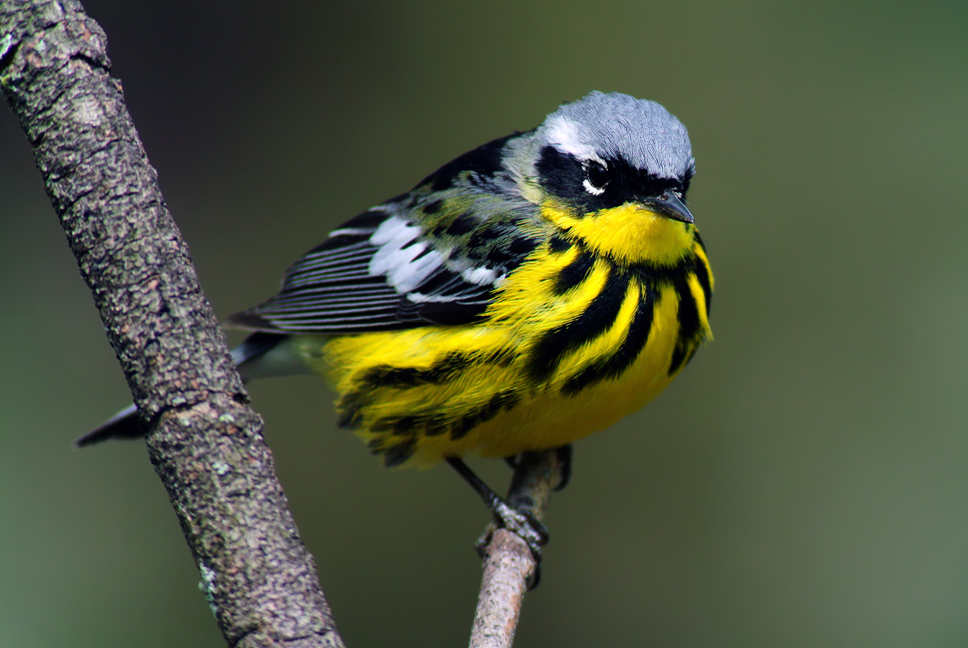
Magnolia Warbler

Here's my 2017 Spring Field Trip and Open Birding schedule!

4-27 @ 6:30AM PBC (CC) Warblers! [OB] ✓
5-6   @ 6:00AM PBC (CC) Warblers! [OB] ✓
5-11 @ 6:00AM PBC (CC) Warblers! [NRF] * 
5-19 @ 6:00AM PBC (CC) Warblers! [OB] 
6-11 @ 8:30AM Middleton Airport Grassland Birds [OB] 
6-17 @ 7:00AM Grassland Birds [FoPFC] 

FoPFC = Friends of Pope Farm Conservancy
NRF = Natural Resources Foundation of Wisconsin
OB = Open Birding
* = Registration Required ($)

Link: What is “Open Birding”?

All Creek Corridor (CC) walks meet at “Parking for Creek Corridor”
Prairie Parcel (PP) walks meet at “Parking for Prairie Parcel”


See you in the field!

Magnolia Warbler © 2017 Mike McDowell

3.04.2017

First March Portraits

"March came in that winter like the meekest and mildest of lambs, bringing days that were crisp and golden and tingling, each followed by a frosty pink twilight which gradually lost itself in an elfland of moonshine."

― L.M. Montgomery


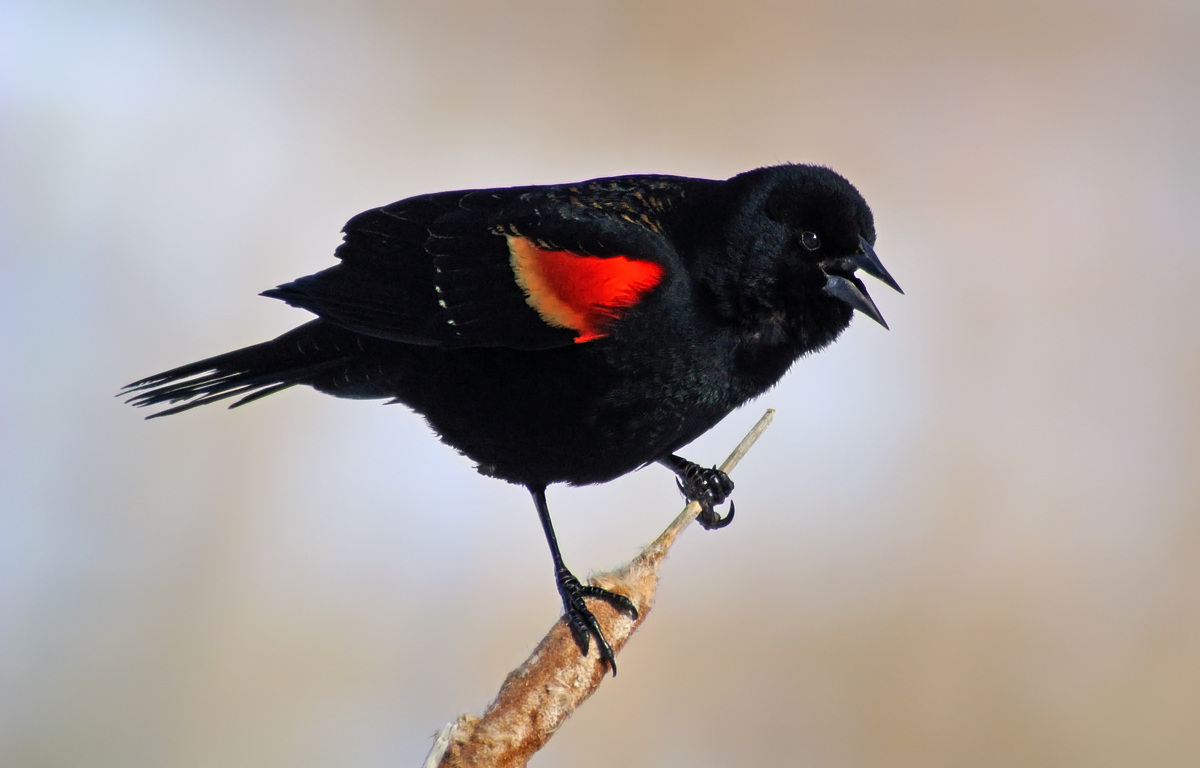
Red-winged blackbird

It's March!

Early spring migrants continue to arrive in southern Wisconsin. Last evening I observed a flock of over 200 Red-winged Blackbirds roosting at the North Fork along Pheasant Branch Creek. There were a few Rusty Blackbirds and Common Grackles with them. But if you want to see huge numbers of blackbirds in Dane County, head over to Nine Springs. Charles Naeseth recently told me there were over 10,000 going to roost in the evenings.


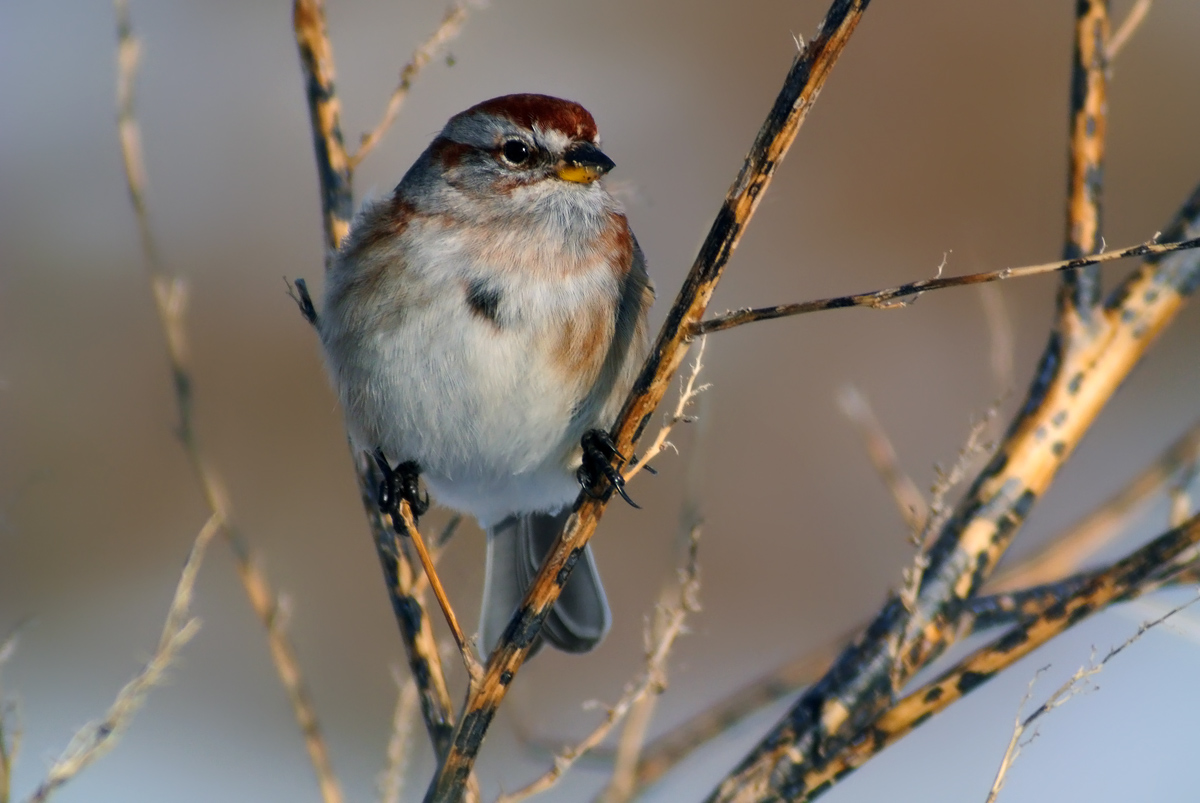
American Tree Sparrow

This morning I returned to the North Fork to see if a particular Greater White-fronted Goose was still present at one of the confluence ponds. Though it probably spent the night, I wasn't able to find it. I've photographed this species before, but I was optimistic for a nice close-up portrait. My guess is that it probably headed north at sunrise with other geese. Near the pond, an American Tree Sparrow popped up from the dense grasses, so I quickly snapped a photo of it.


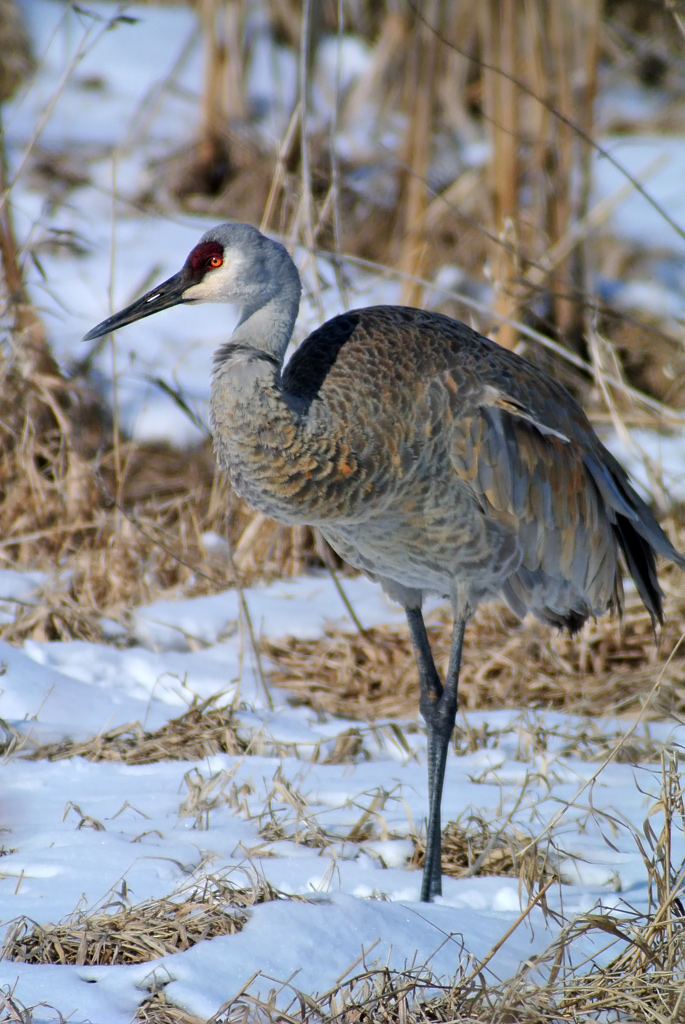
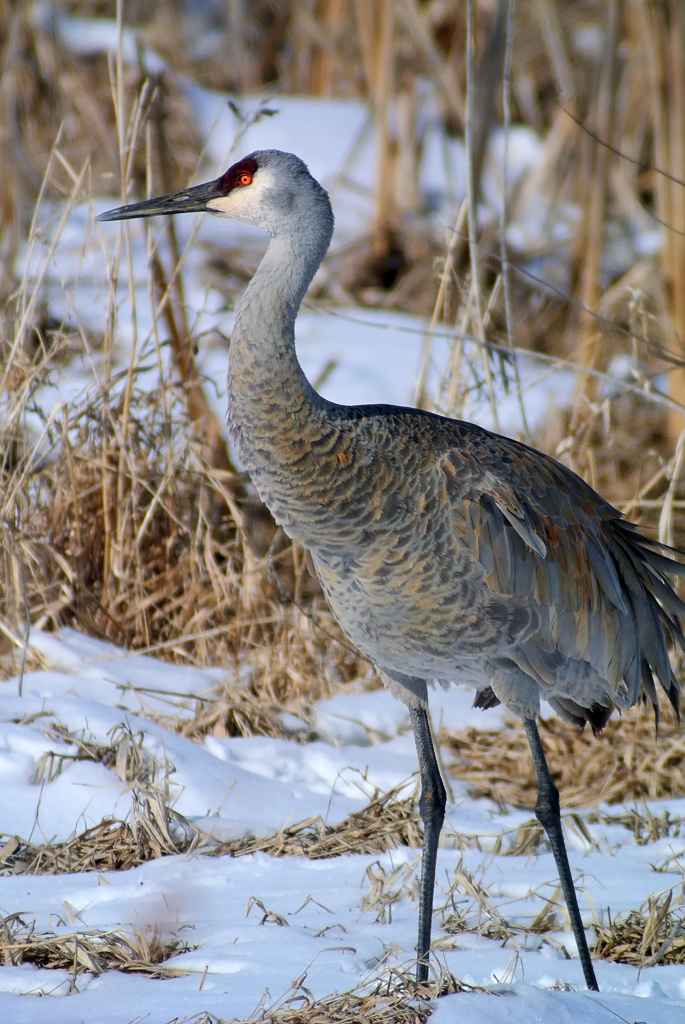
Sandhill Crane

As you can see, we still have snow. Of course, we should still have it. After the unseasonably warm weather completely melted it, winter rallied back and dropped a few fresh inches as well as an overnight dusting covering parts of the trail. The freakish February thaw was just that! I don't know how Sandhill Cranes feel about snow, but this one seemed unruffled about it.


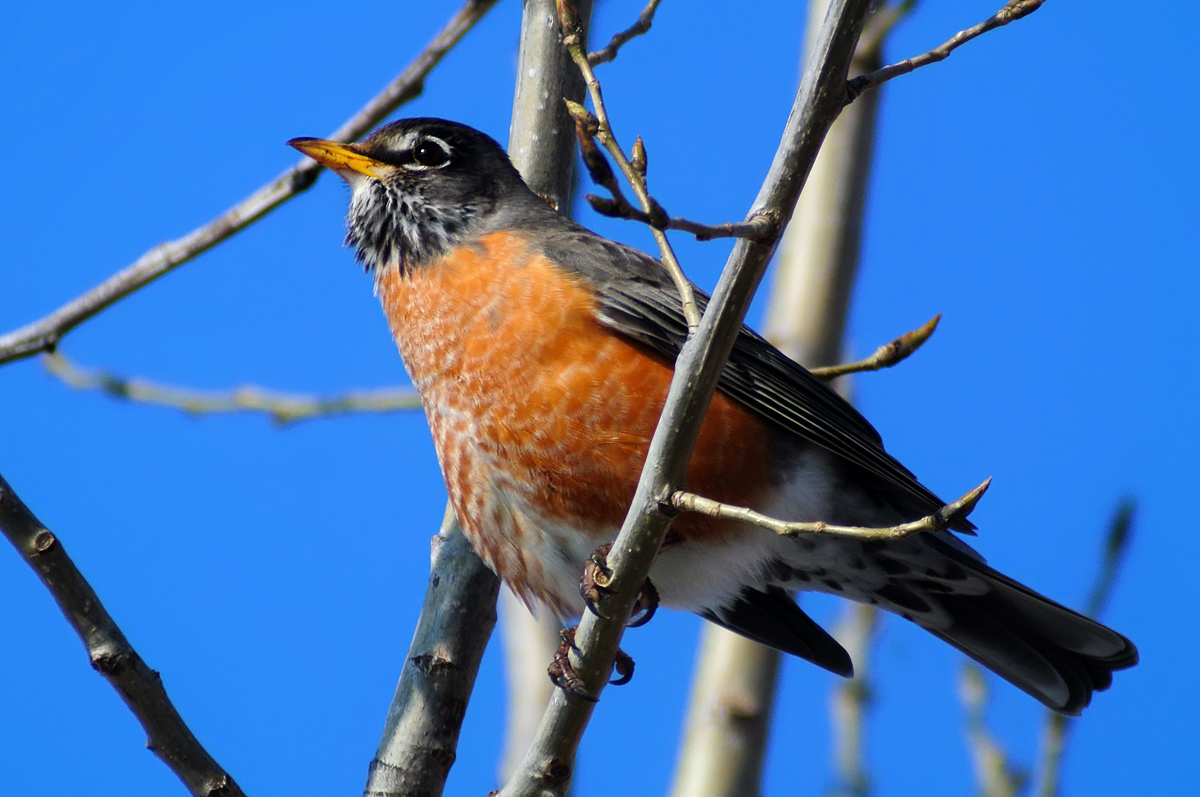
Warmer temperatures will be returning tomorrow and that ought to take care of the remaining snow by the end of the day. No doubt, it'll be a lot easier for American Robins to find food once it melts. The only hint I have with regard to how robins feel about snow may come from their incessant calling. Of course, they'll also sound the alarm when they spot a predator, but I couldn't help sense their clamorous commentary was displeasure at the snow.


American Robin

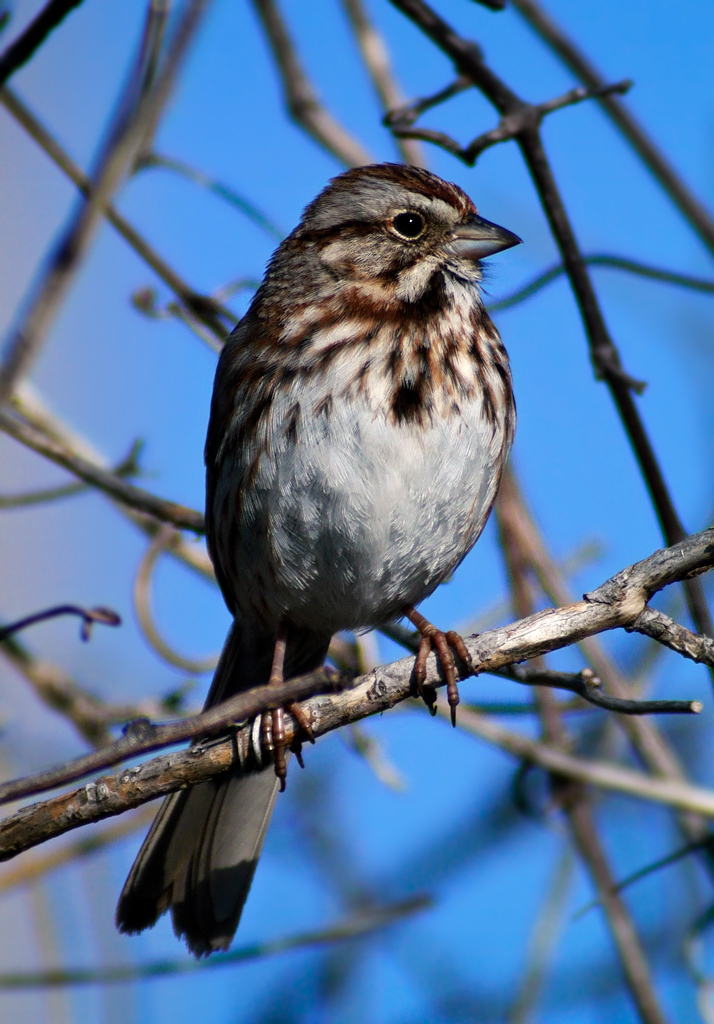
A few Song Sparrows were present, but they weren't singing. Detecting them from their calls, I found them in tangly twigs near the trail entrance along with a few tree sparrows. Several yards away a Swamp Sparrow announced its presence with a diminutive note. For me, hearing them for the first time of the year is just as exciting as seeing them.


Song Sparrow

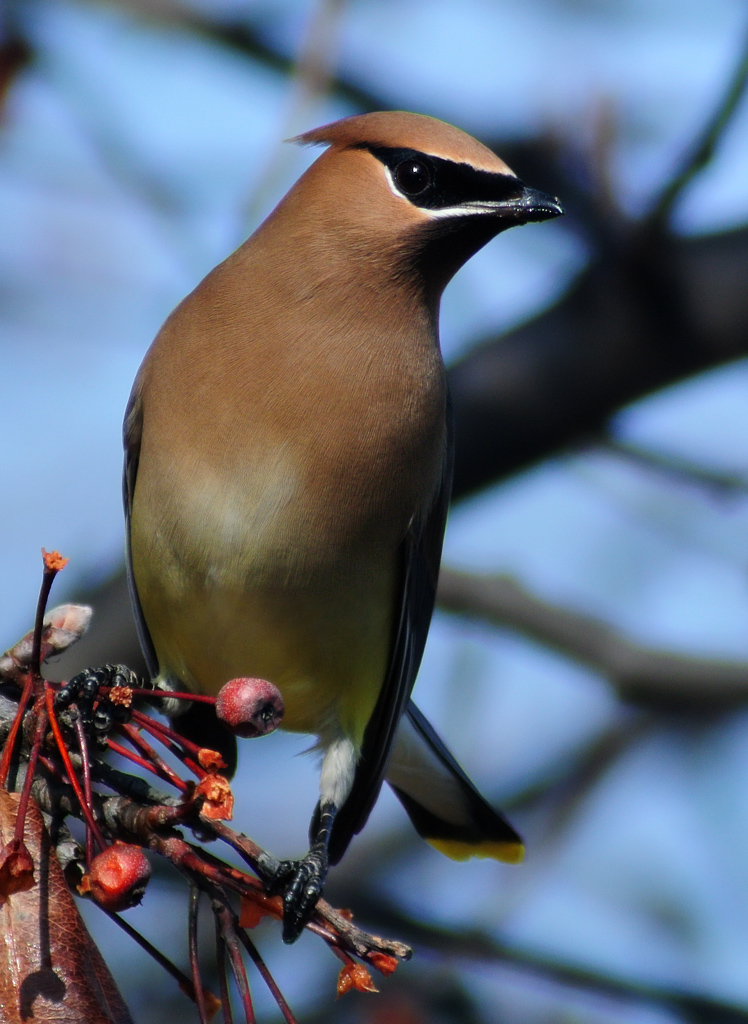
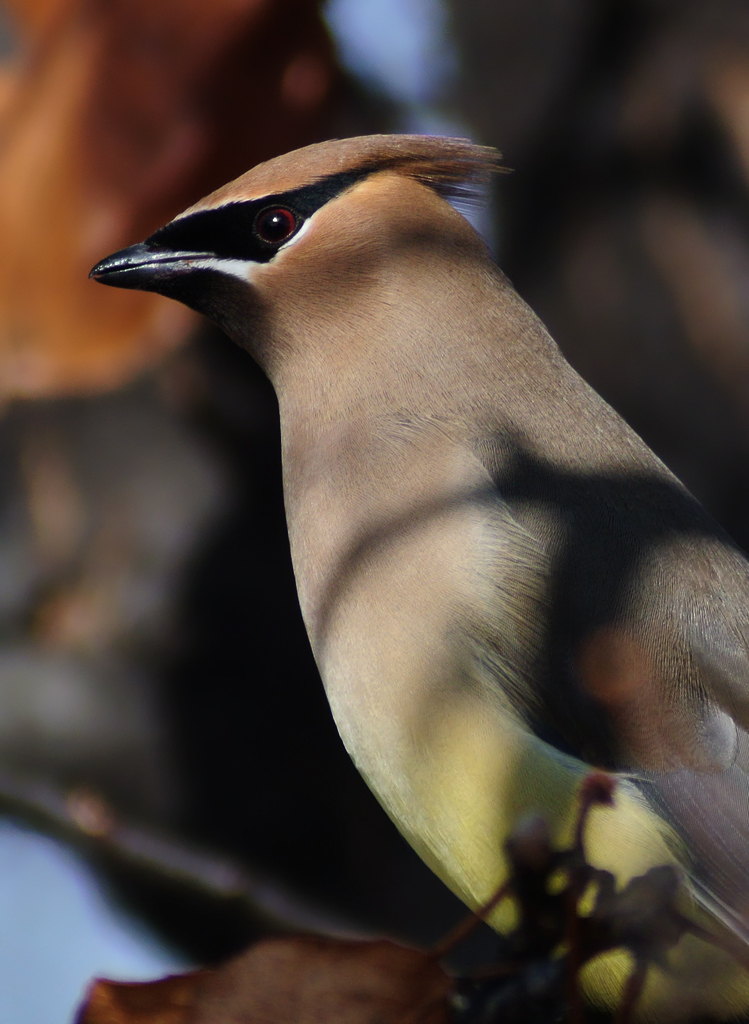
On my way out I found a flock of Cedar Waxwings eating berries. We still have most of March to get through. Though we're about to experience another warming trend, Boreas might very well send us another winter blast (or two) to contend with. How will the birds that have already migrated here fare? As food generalists and early migrants go, these birds are among the most durable and will endure.


Cedar Waxwing


Pheasant Branch, Dane, Wisconsin, US
Mar 4, 2017 9:00 AM - 11:00 AM
31 species

Canada Goose
Wood Duck
Mallard
Northern Shoveler
Turkey Vulture
Cooper's Hawk
Red-tailed Hawk
Sandhill Crane
Mourning Dove
Great Horned Owl
Red-bellied Woodpecker
Downy Woodpecker
American Kestrel
Blue Jay
American Crow
Horned Lark
Black-capped Chickadee
American Robin
European Starling
Cedar Waxwing
American Tree Sparrow
Dark-eyed Junco
Song Sparrow
Swamp Sparrow
Northern Cardinal
Red-winged Blackbird
Eastern Meadowlark
Rusty Blackbird
Common Grackle
House Finch
House Sparrow

All images © 2017 Mike McDowell