5.14.2017

Replacements on the way!


Link: Understanding Radar and Birds (eBird)

Reserves


This one goes out to all the wonderful people who pull Garlic Mustard along the creek corridor trail of Pheasant Branch Conservancy. The reserves are ready ― resistance is futile. Just know that this goes back for dozens of yards from the trail, all the way up to backyards adjacent to the corridor. The few plants that get pulled and left on the trail eventually go to seed and continue to spread the menace.

If you pull it, bag it.

I'm working on a new birding blog post, but I probably won't have it finished until Monday or Tuesday.

Good Birding!

© 2017 Mike McDowell

5.12.2017

Dane County Chasers!


Dane County's finest chasers are starting to dominate the lead. Some have already ticked as many species as I'm going to see all year. But 7.5 mile eBird patch? Virtually no competition:


Think Globally, Bird Locally!

Link: What is patch birding?

5.11.2017

NRF Field Trip Results!


Prothonotary Warbler 

What an amazing field trip! Any time you can get Prothonotary Warbler and Black-throated Blue Warbler during the same outing is just awesome. Plus, we got good looks at other warblers like Black-and-white, Northern Parula, Golden-winged, and Magnolia. As has been the case for the past few days, the greatest concentration of songbird activity was located around the first bridge near Century Avenue. Tree, brush, and plant vegetation is already very dense, so many birds were identified by song only. The warbler parade continues!

Pheasant Branch, Dane, Wisconsin, US
May 11, 2017 6:00 AM - 9:00 AM
60 species

Wood Duck
Mallard
Cooper's Hawk
Ring-billed Gull
Mourning Dove
Red-bellied Woodpecker
Downy Woodpecker
Hairy Woodpecker
Northern Flicker
American Kestrel
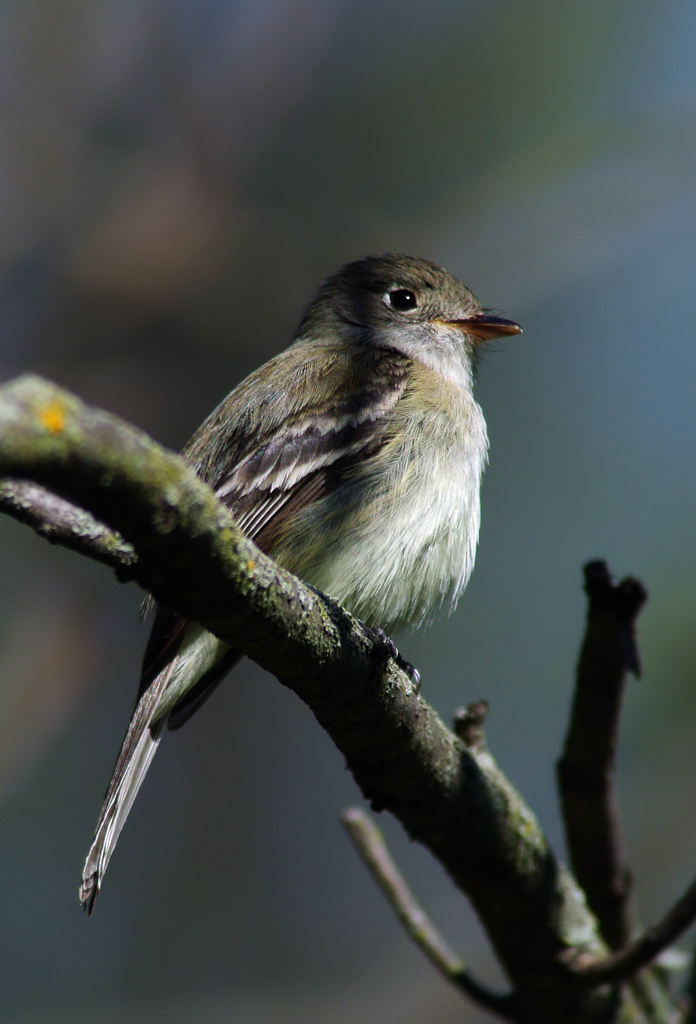
Least Flycatcher
Eastern Phoebe
Great Crested Flycatcher
Yellow-throated Vireo
Blue-headed Vireo
Warbling Vireo
Red-eyed Vireo
Blue Jay
American Crow
Black-capped Chickadee
Tufted Titmouse
White-breasted Nuthatch
House Wren
Blue-gray Gnatcatcher
Ruby-crowned Kinglet
Wood Thrush
American Robin
Gray Catbird
European Starling
Cedar Waxwing
Northern Waterthrush
Golden-winged Warbler
Black-and-white Warbler
Prothonotary Warbler
Tennessee Warbler
Orange-crowned Warbler
Nashville Warbler
Common Yellowthroat
American Redstart
Northern Parula
Magnolia Warbler
Yellow Warbler
Chestnut-sided Warbler
Black-throated Blue Warbler
Palm Warbler
Yellow-rumped Warbler
Black-throated Green Warbler
Chipping Sparrow
White-crowned Sparrow
White-throated Sparrow
Song Sparrow
Northern Cardinal
Rose-breasted Grosbeak
Indigo Bunting
Red-winged Blackbird
Common Grackle
Brown-headed Cowbird
Baltimore Oriole
House Finch
American Goldfinch

All images © 2017 Mike McDowell

5.08.2017

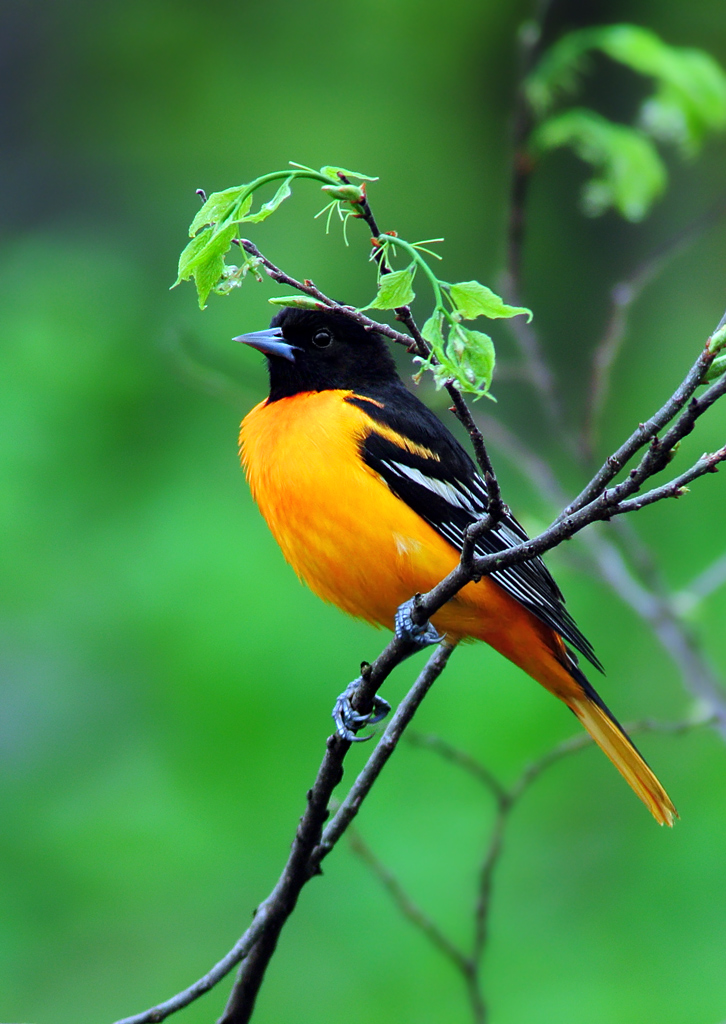
Orioles are back!

"Those who contemplate the beauty of the earth find reserves of strength that will endure as long as life lasts."

― Rachel Carson


Baltimore Oriole

Here in southern Wisconsin the beauty of spring is bursting all around us in a myriad ways. We have favorable winds for bird migration, but once again, it won't last for very long. Along with various warblers, vireos, and flycatchers, Baltimore Orioles returned to the conservancy over the weekend. Most of the warblers will keep flying north, but the orioles will spend the summer along the creek corridor. We are ready for the next wave of feathered migrants!


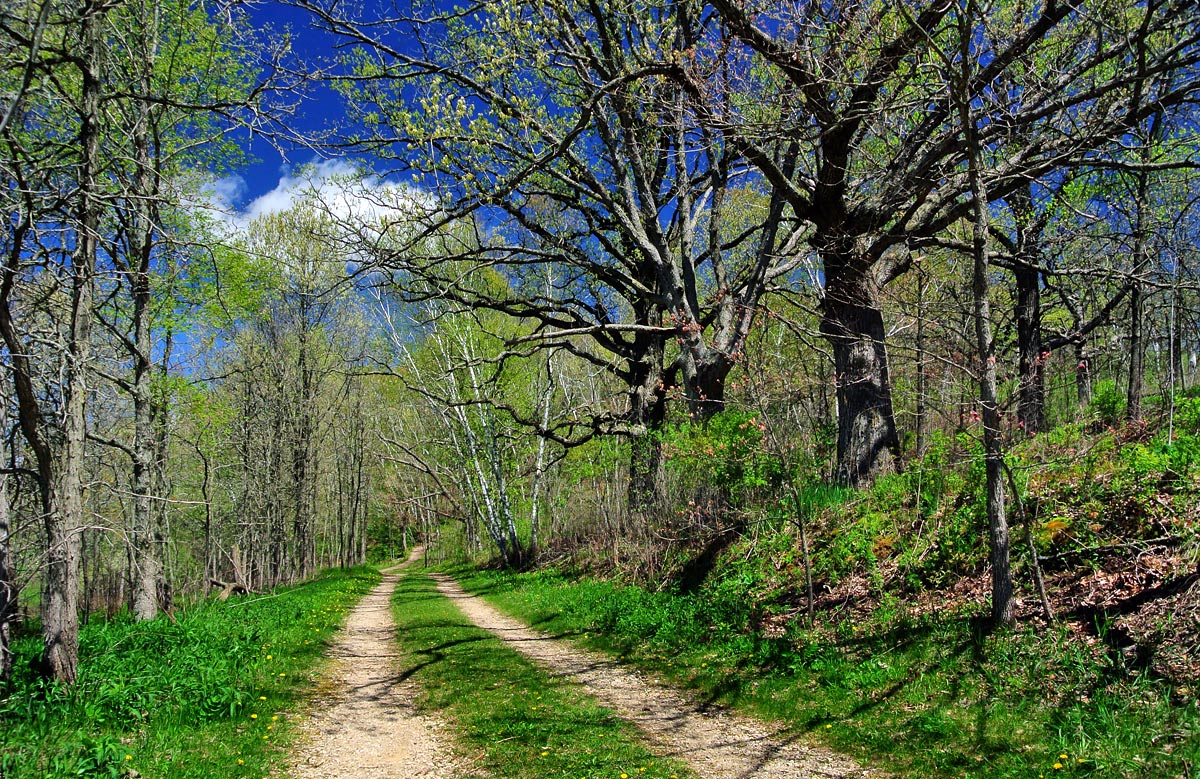
Indian Lake Park

I spent the weekend birding and exploring Pheasant Branch Conservancy as well as other nearby natural areas: Pope Farm Conservancy, UW Arboretum, Indian Lake Park, and Baxter's Hollow in the Baraboo Hills. As you can see from these Indian Lake Park photographs, our weather was absolutely gorgeous. Dottie, Sylvia, and I scoured the trails for interesting wildflowers while listening for birds. There were a few Ovenbirds and Yellow Warblers, but we were hoping to find Blue-winged Warblers on territory. I guess we were just a little early.


Indian Lake Park


Indian Lake Park


Rue Anemone

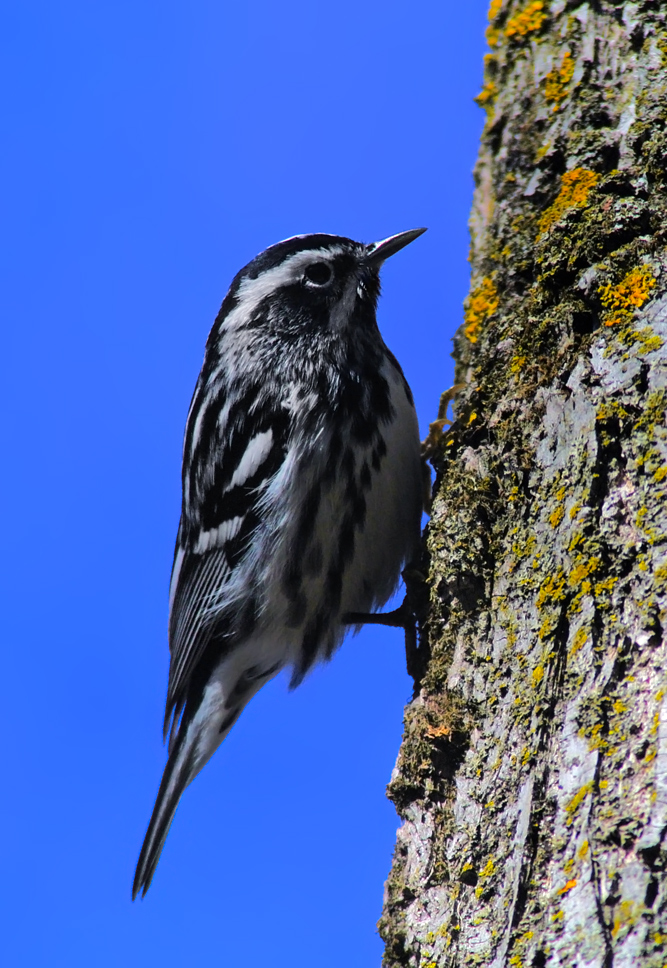
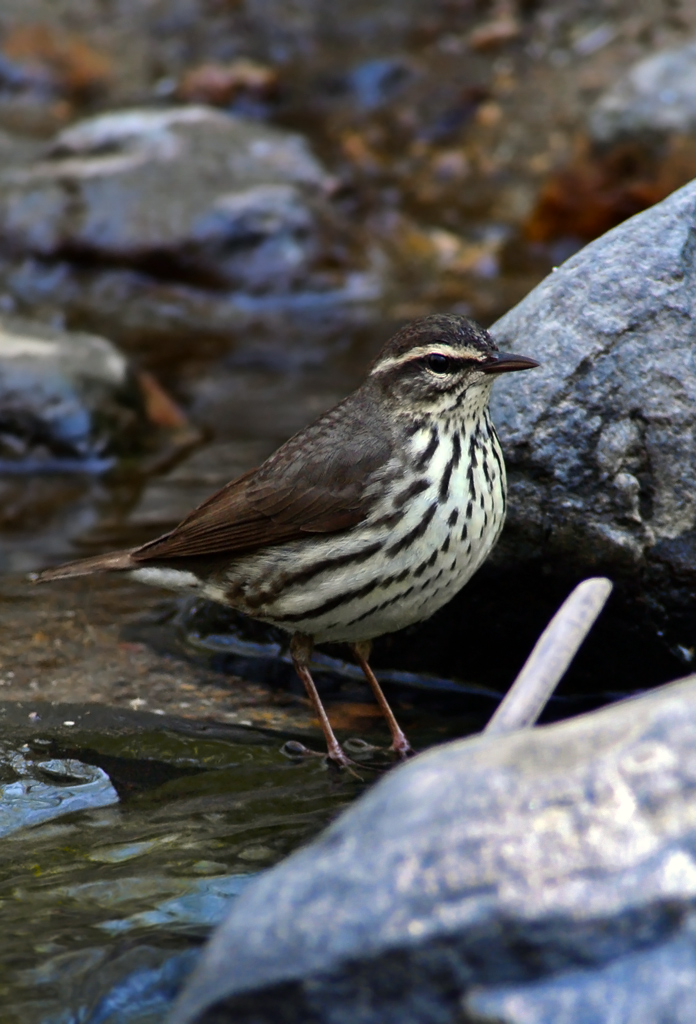
Yesterday we found a small mixed flock of warblers near the overlook parking lot along Pheasant Branch Road. There were nearly a dozen Yellow Warblers, a single Black-and-white Warbler, a very vocal Northern Parula, Common Yellowthroats, and a Nashville Warbler. At this same location I saw my first-of-year (FOY) Lincoln's Sparrow foraging along the gravel trail. Further down the path near the two bridges we found a Northern Waterthrush.


Black-and-white Warbler


Northern Waterthrush

By the way, it needn't be an open birding event if you want to come to the creek corridor and bird with me and my troupe birding friends. On any given morning during the first two weeks of May, there are almost always impromptu gatherings of birders that tag along with us. So, don't be afraid of bothering me. If I want to be alone, you won't be able to find me.


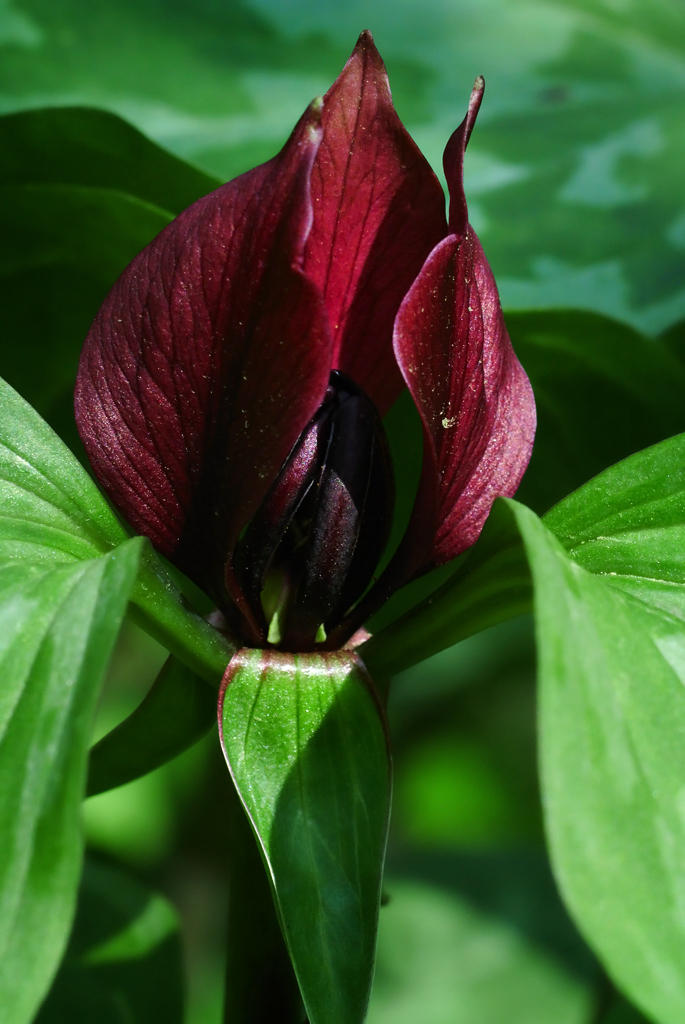
Prairie Trillium


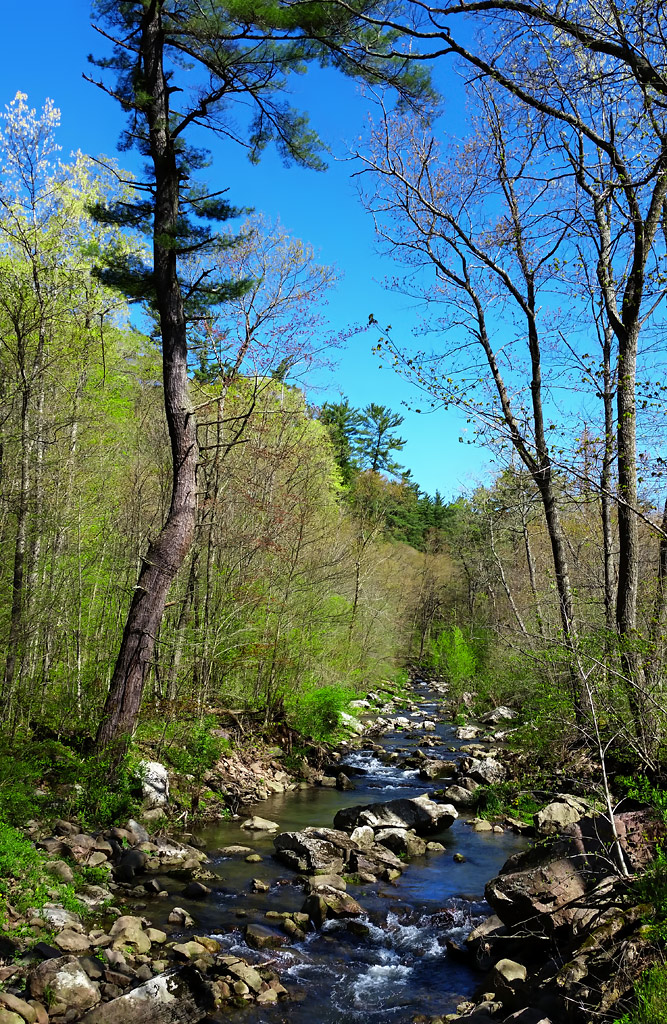
Otter Creek at Baxter's Hollow

Now that we're nearing peak songbird migration, I sense the annual dilemma to bird light versus hauling all my photography gear along. Naturally, the less gear I'm carrying the easier it is for me to find and observe birds. But if I don't bring it, then I may not have much material to share for my blog. In any case, I'll do what I can to keep the posts coming. However, this week I have early morning field trips on Wednesday and Thursday, so I won't be carrying my digiscoping rig during those particular outings.


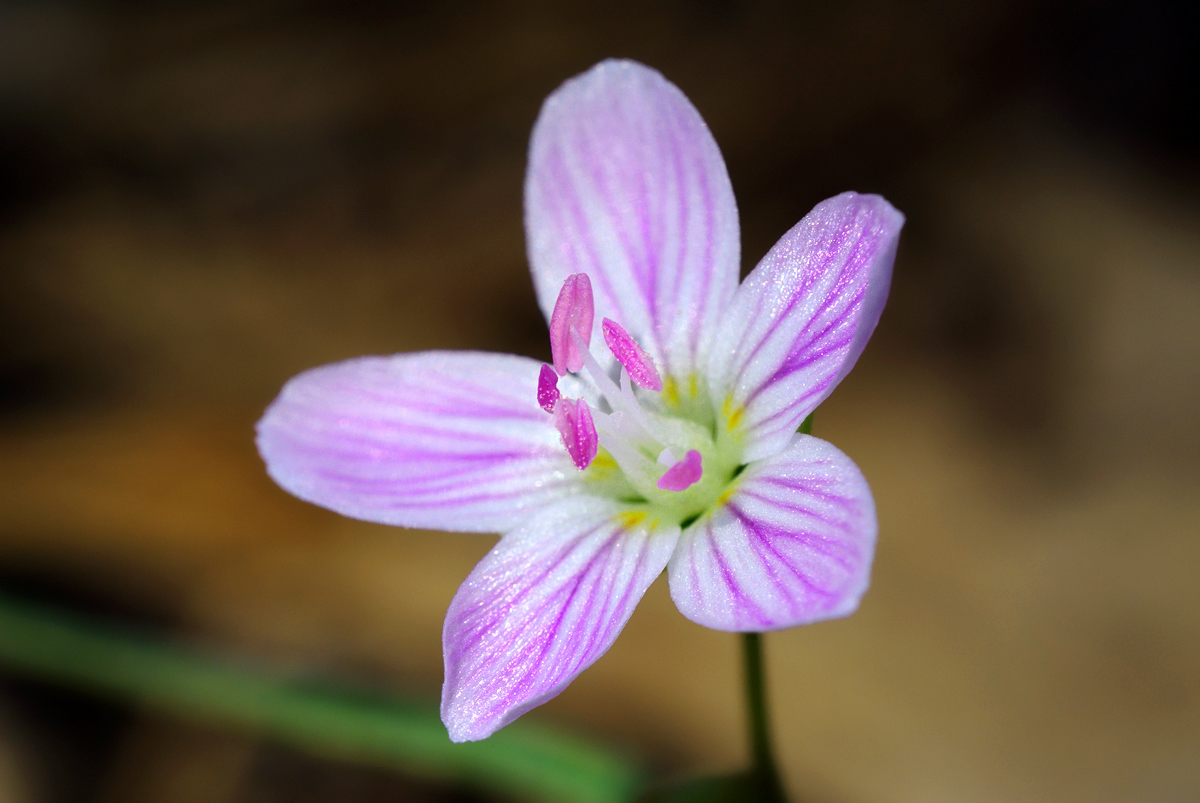
Spring Beauty


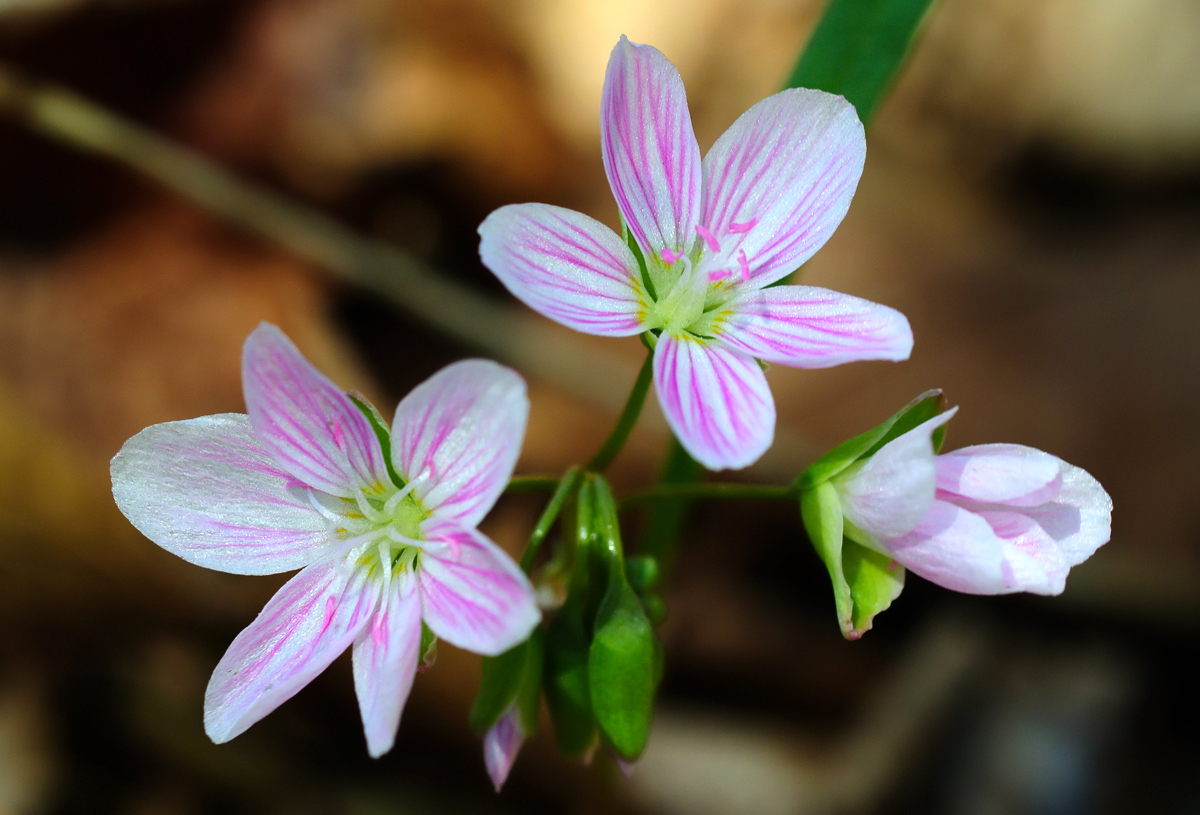
Spring Beauty


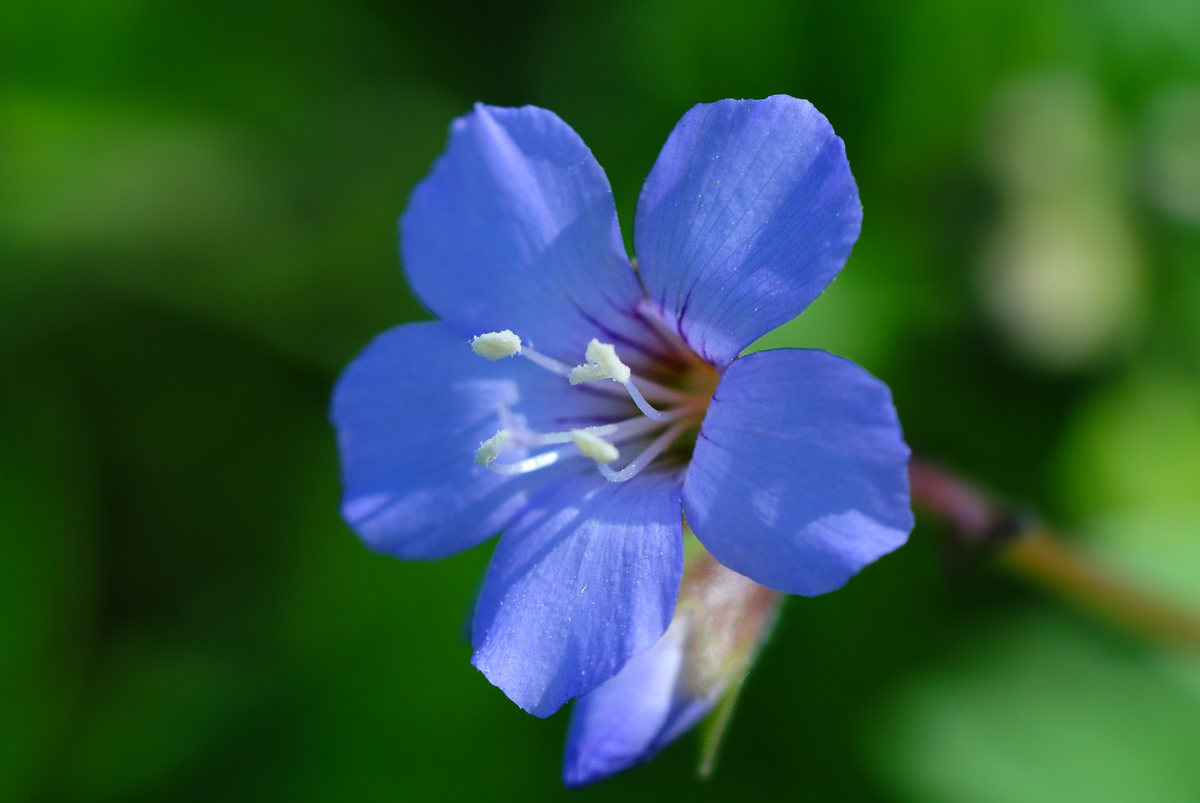
Jacob's Ladder

Pheasant Branch, Dane, Wisconsin, US
May 7, 2017 6:29 AM - 10:41 AM
67 species

Canada Goose
Wood Duck
Mallard
Hooded Merganser
Wild Turkey
Great Blue Heron
Great Egret
Cooper's Hawk
Red-tailed Hawk
Sora
Sandhill Crane
Killdeer
Rock Pigeon
Mourning Dove
Belted Kingfisher
Red-bellied Woodpecker
Downy Woodpecker
Hairy Woodpecker
Northern Flicker
American Kestrel
Eastern Phoebe
Warbling Vireo
Blue Jay
American Crow
Northern Rough-winged Swallow
Tree Swallow
Barn Swallow
Cliff Swallow
Black-capped Chickadee
Tufted Titmouse
White-breasted Nuthatch
House Wren
Marsh Wren
Blue-gray Gnatcatcher
Ruby-crowned Kinglet
Wood Thrush
American Robin
Gray Catbird
European Starling
Cedar Waxwing
Northern Waterthrush
Black-and-white Warbler
Nashville Warbler
Common Yellowthroat
Northern Parula
Yellow Warbler
Palm Warbler
Pine Warbler
Yellow-rumped Warbler
Black-throated Green Warbler
Chipping Sparrow
White-crowned Sparrow
White-throated Sparrow
Savannah Sparrow
Song Sparrow
Lincoln's Sparrow
Swamp Sparrow
Northern Cardinal
Red-winged Blackbird
Eastern Meadowlark
Common Grackle
Brown-headed Cowbird
Orchard Oriole
Baltimore Oriole
House Finch
American Goldfinch
House Sparrow

All images © 2017 Mike McDowell

5.04.2017

5.03.2017

The Palm Warbler

"And a bird overhead sang Follow,
And a bird to the right sang Here;
And the arch of the leaves was hollow,
And the meaning of May was clear."

― Algernon Charles Swinburne


Pheasant Branch Creek Corridor

A day that began with frost transformed into one of the nicest days we've had so far this spring. I spent nearly the entire day birding with friends and taking Nature photographs. While we're observing fairly decent species diversity, numbers of individuals are still significantly lower than what we generally see by this date. Though some people have encountered their first Baltimore Orioles of spring, I'm still waiting.


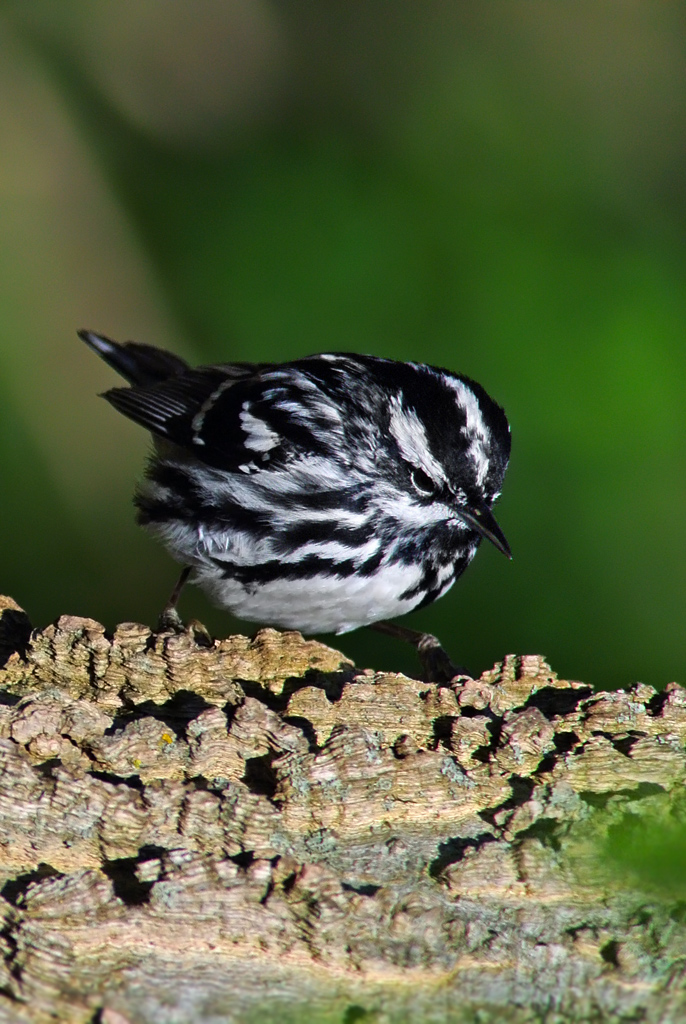
With an absurdly uncomplicated and unoriginal name, the Black-and-white Warbler is a visual stunner against green vegetation. It's one of the most abundant warblers I see at the conservancy, but there have only been a few so far. More of them should return once we get another blast of south winds. It doesn't look like that's going to happen tonight, though!


Black-and-white Warbler


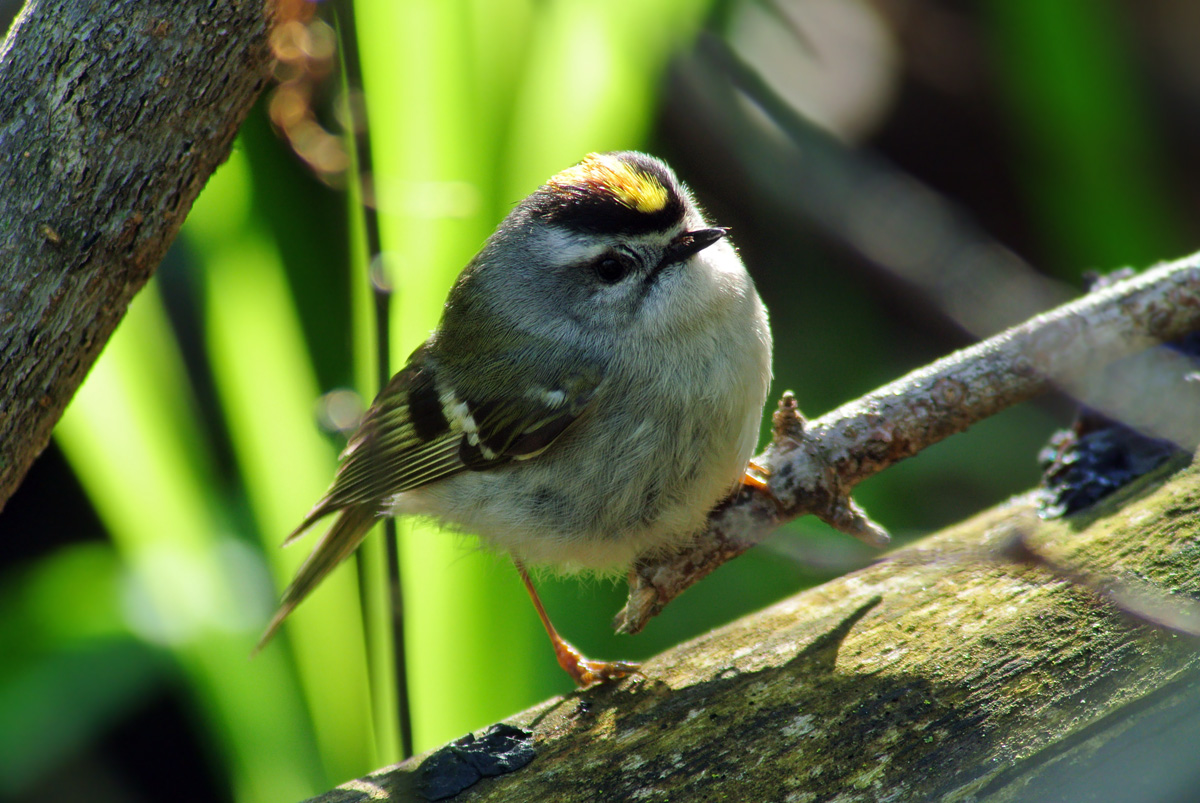
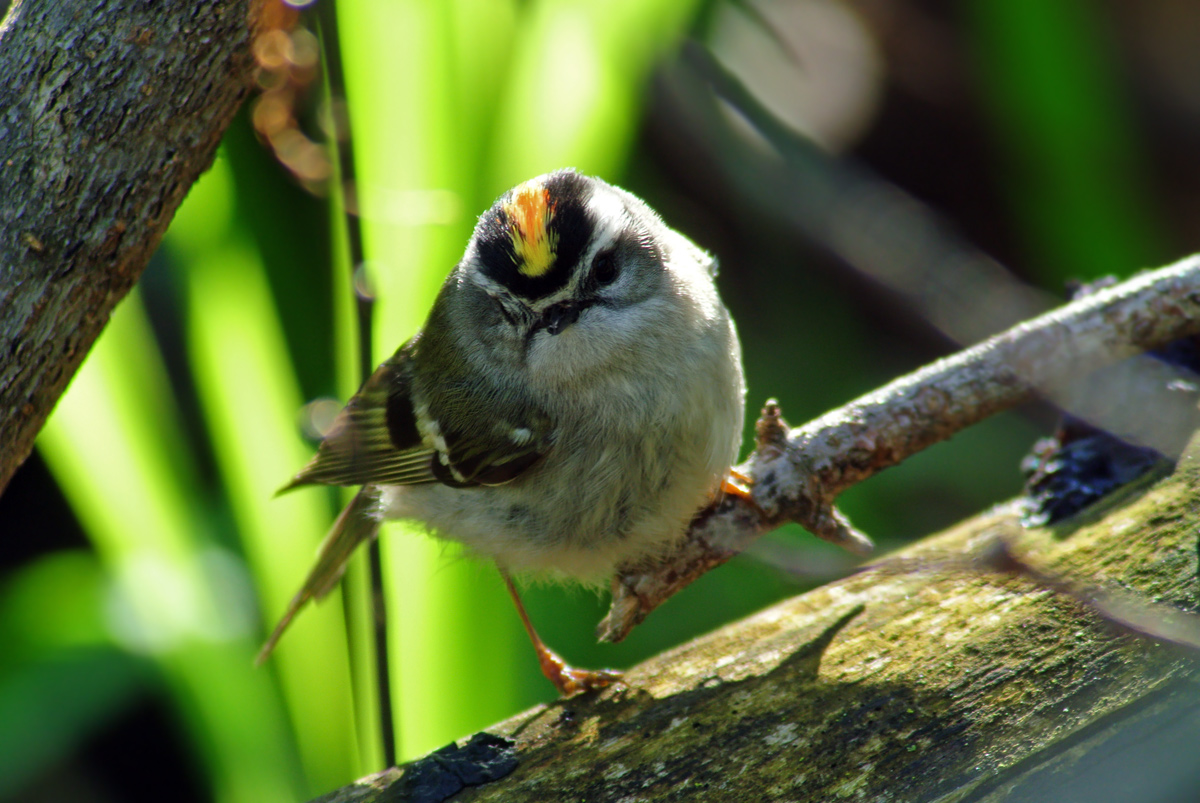
Golden-crowned Kinglet

Here's something that doesn't happen very often: a Golden-crowned Kinglet taking a brief rest. I love how its left foot is propped up on a different branch than its right. The kinglet maintained this position for nearly a minute before it resumed foraging close to the ground for insects. We were a little surprised to see it, as most of its kin have already migrated through our area.


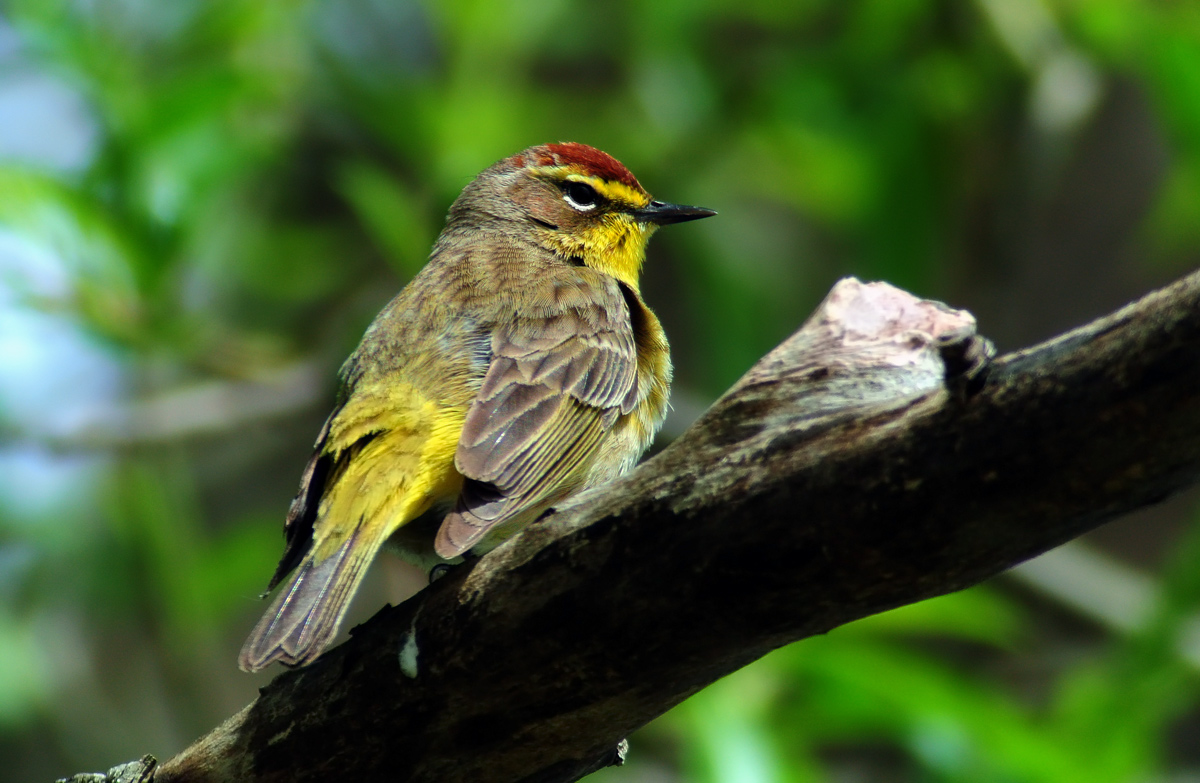
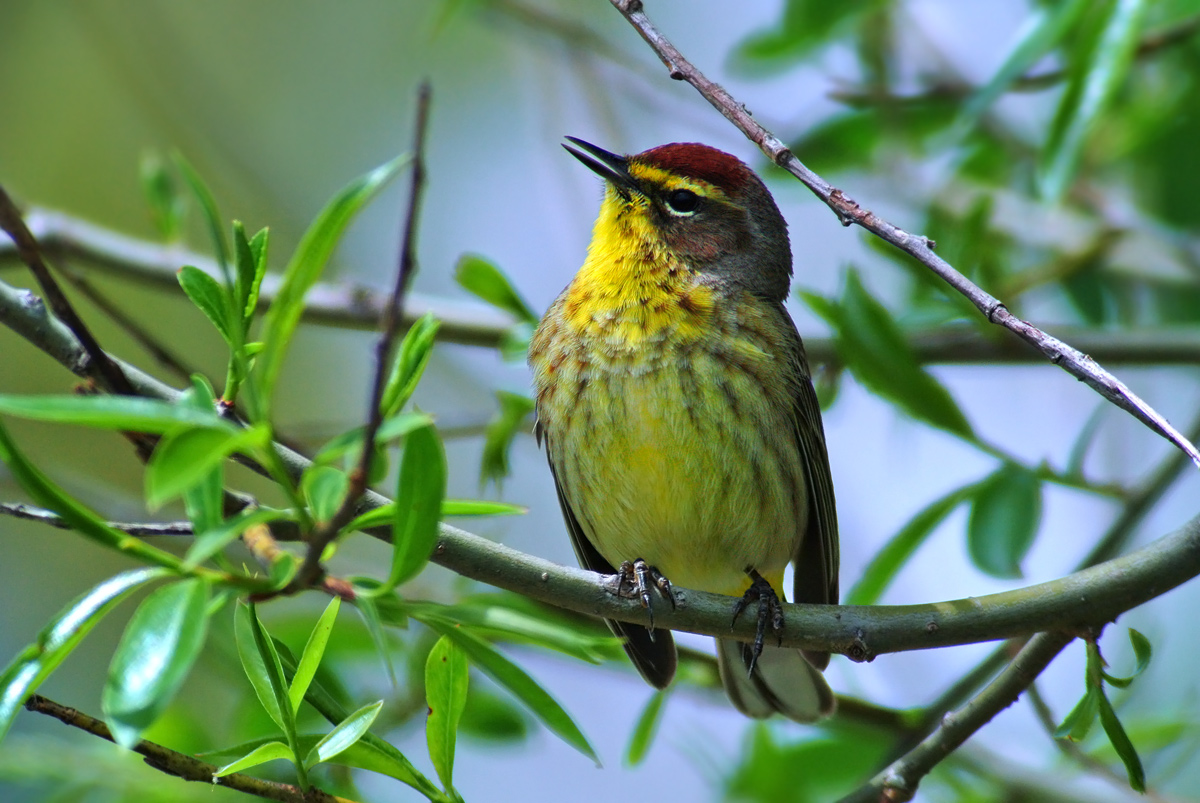
Palm Warbler

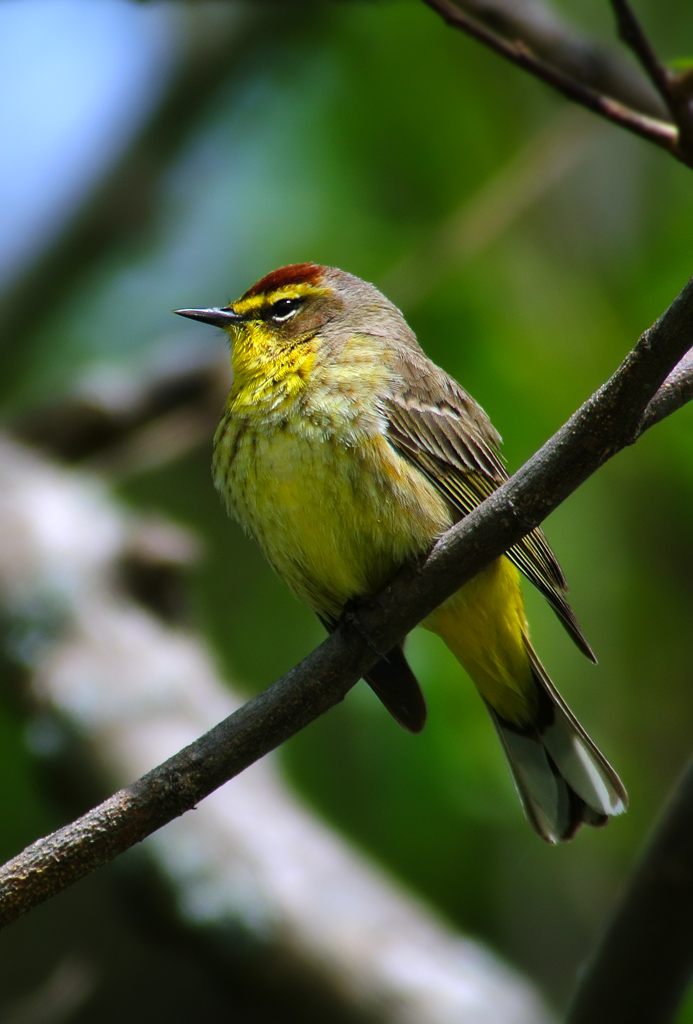
Spring Palm Warblers have always struck me as looking a bit unfinished. While its face, crown, breast, and rump are brightly colored, the back of the head, nape, tail, and wings are somewhat drab. This is the western subspecies, which doesn't have as much yellow as the eastern or "Yellow" Palm Warbler (Setophaga palmarum hypochrysea). The two races have almost totally separate breeding ranges, though they overlap on their wintering grounds.


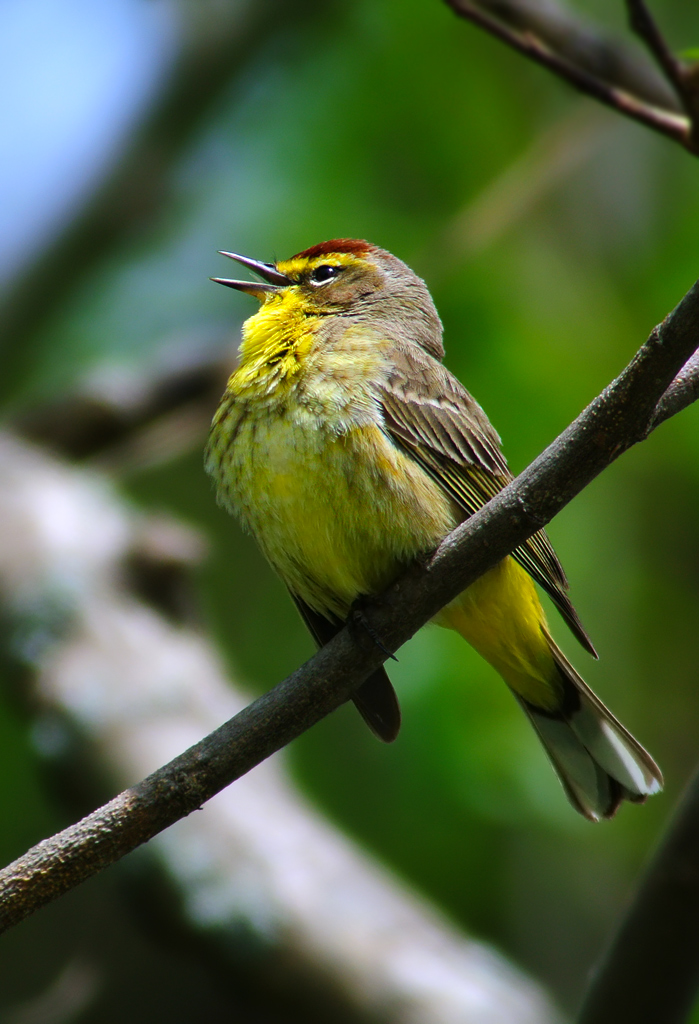
I watched, photographed, and admired as the busy little bird sallied out to catch insects on the wing, swiftly returning to its perch to sing. It isn't the most melodious of songs, but watching any bird sing with such zeal is always rewarding.


Though I am entertained, singing is serious business for birds, serving both courtship and territorial defense. One can't help but wonder what a bird actually feels when singing. They seem happy, don't they? Interestingly, scientific studies show that male birds undergo changes to the dopamine receptors on neurons associated with reward and pleasure when singing directly to a female. Surely something else is going on when they're defending their patch of habitat from an intruder.


There's a lot of singing in early May. Thus far it's been relatively easy to pick out individuals in the morning choir, but that's going to change pretty soon. In another week or so, there will be over 20 different kinds of warblers and around 50 other songbirds singing in concert along the creek corridor. Sifting through the songs for that Kentucky or Connecticut Warbler is part of the challenge and fun of birding.


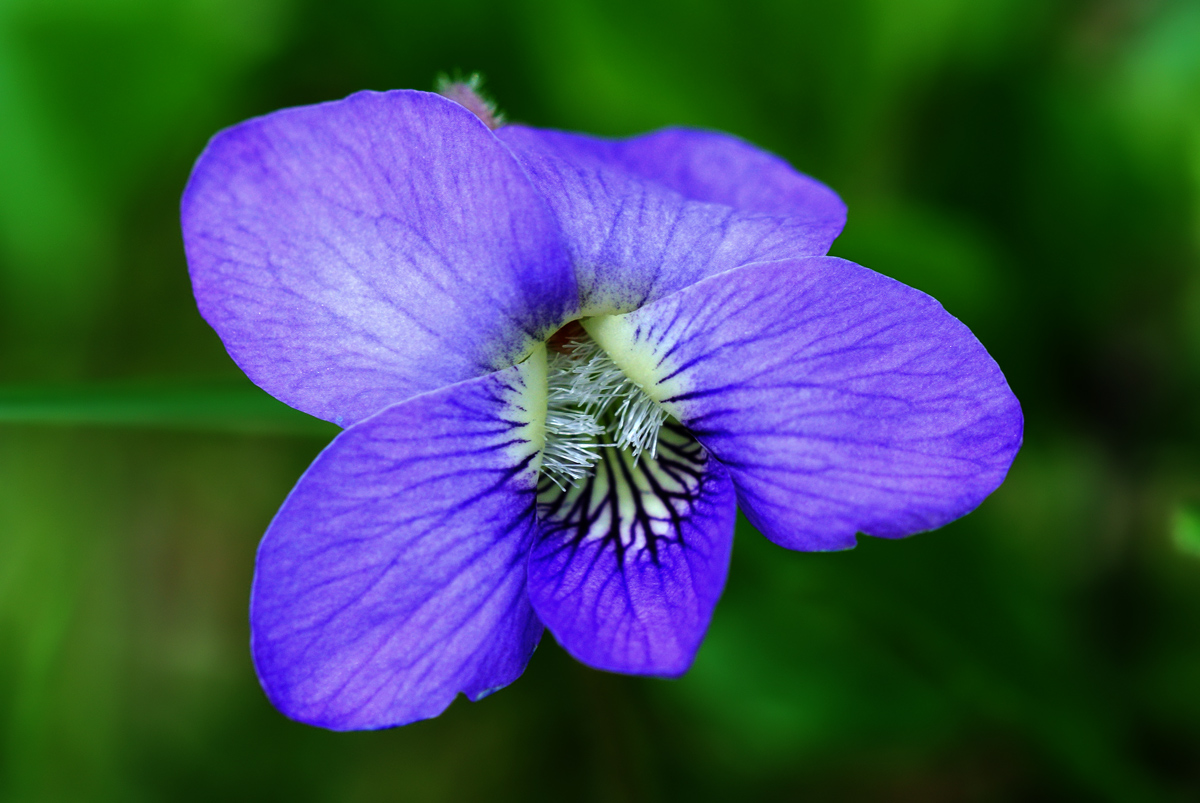
Violet sp.

Pheasant Branch, Dane, Wisconsin, US
May 3, 2017 6:30 AM - 10:00 AM
55 species

Canada Goose
Wood Duck
Mallard
Great Blue Heron
Turkey Vulture
Broad-winged Hawk
Sandhill Crane
Killdeer
Spotted Sandpiper
Mourning Dove
Belted Kingfisher
Red-bellied Woodpecker
Downy Woodpecker
Hairy Woodpecker
Northern Flicker
Least Flycatcher
Eastern Phoebe
Blue-headed Vireo
Warbling Vireo
Blue Jay
American Crow
Northern Rough-winged Swallow
Tree Swallow
Barn Swallow
Cliff Swallow
Black-capped Chickadee
Tufted Titmouse
White-breasted Nuthatch
House Wren
Blue-gray Gnatcatcher
Golden-crowned Kinglet
Ruby-crowned Kinglet
Swainson's Thrush
Hermit Thrush
American Robin
Gray Catbird
European Starling
Northern Waterthrush
Black-and-white Warbler
Yellow Warbler
Palm Warbler
Yellow-rumped Warbler
Black-throated Green Warbler
Chipping Sparrow
White-throated Sparrow
Song Sparrow
Swamp Sparrow
Northern Cardinal
Rose-breasted Grosbeak
Red-winged Blackbird
Common Grackle
Brown-headed Cowbird
House Finch
American Goldfinch
House Sparrow

All images © 2017 Mike McDowell

5.02.2017

Happy May!


A rare photograph of the author leading a field trip at Spring Green Preserve.

4.30.2017

April Ends

"Live in each season as it passes; breathe the air, drink the drink, taste the fruit, and resign yourself to the influence of the earth."

― Henry David Thoreau


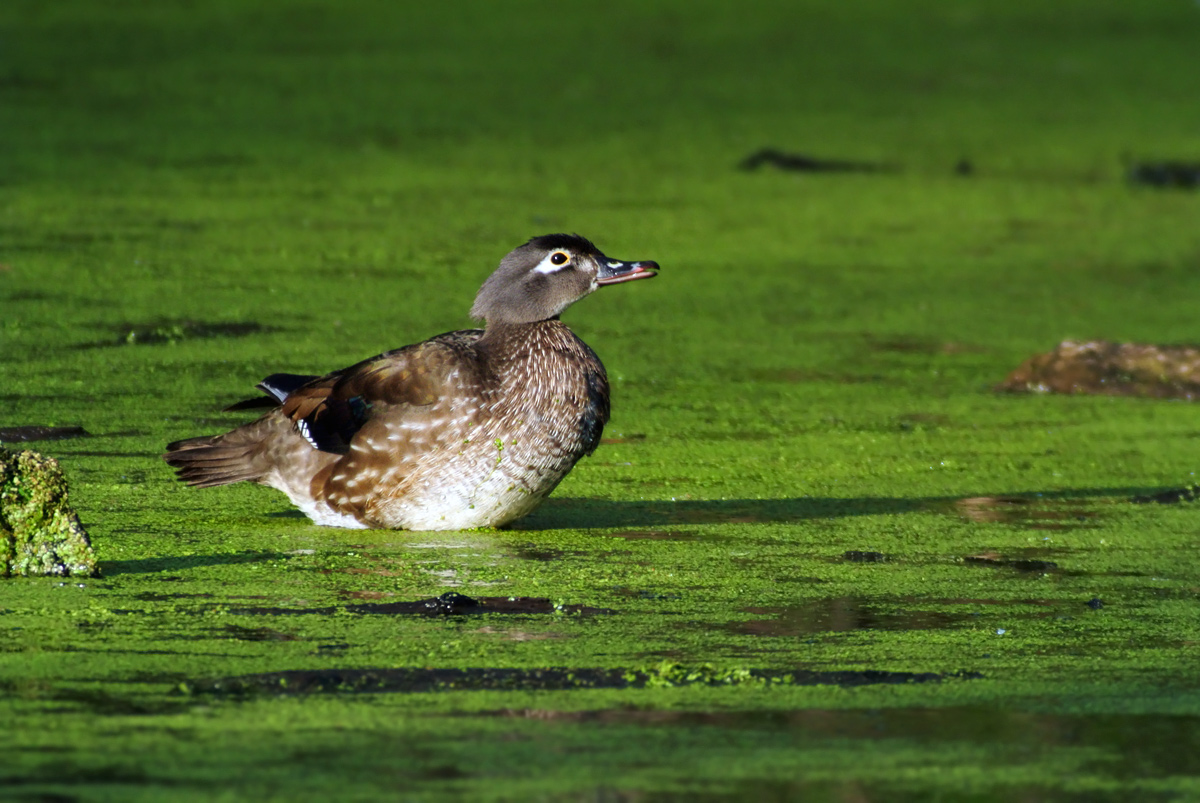
Wood Duck (female)

Each April bird migration in southern Wisconsin is a little different from the last. One of the yardsticks I use to measure migration is the number of warbler species observed along the creek corridor of Pheasant Branch Conservancy at the end of April. Here are the 12 warbler species observed so far this year:


This doesn't include species observed at the conservancy by other birders: Blue-winged Warbler, Blackburnian Warbler, and Northern Parula. With nearly the same effort in 2014, I tallied just six warbler species by the end of April:


Compare the above with the late April warbler explosion of 2013:


So, you never quite know what you're going to get and that's part of the fun of birding. Thus, for whatever it's worth, I would call 2017 slightly above average.


Wood Duck (male)

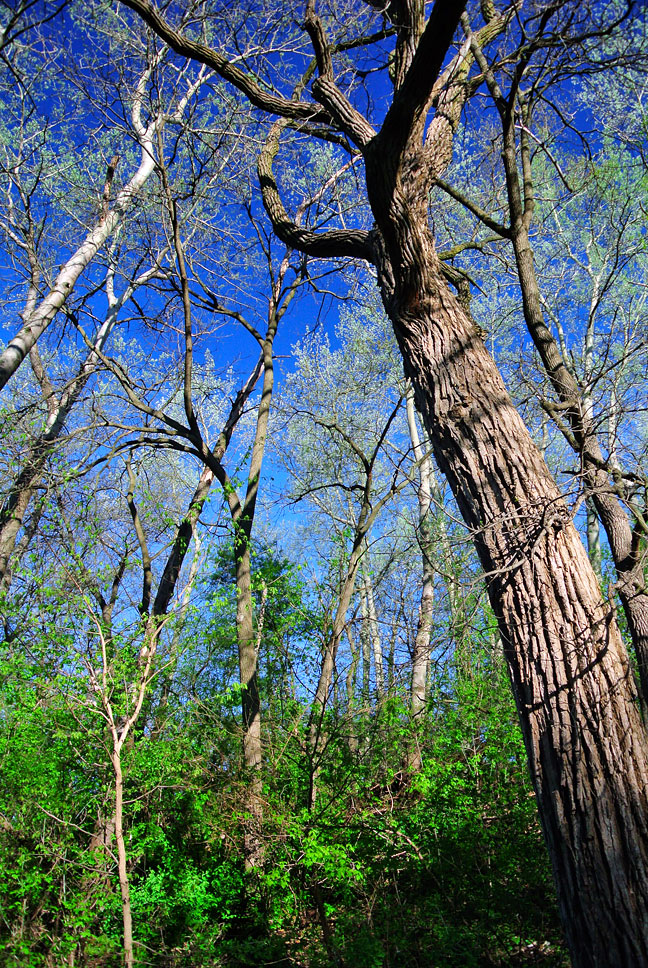
While seasonal counts are interesting, the best part of birding is simply being outside with the birds and absorbing the transition from brown to green. At this juncture it looks like we may have a pretty mature tree canopy by the time peak migration occurs, increasing the difficulty of viewing and photographing the tiny songbirds. I'll at least know when they're present from their songs.


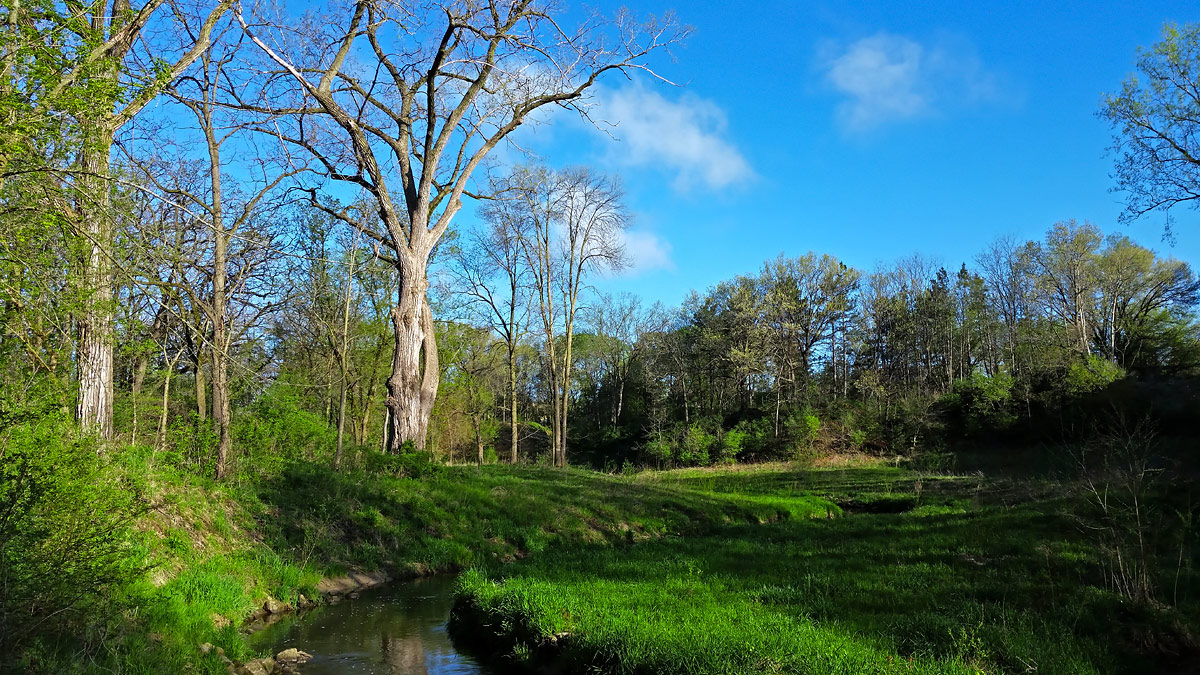
Pheasant Branch Creek Corridor

I can always hope for a repeat of 2014's amazing ten days of warbler watching, but such songbird fallouts are rare at the conservancy. Prior to the most recent one, I think it was 2002 when cold weather in May rendered the creek corridor into a veritable aviary of warblers, vireos, thrushes, and flycatchers. However, such cold snaps can be hard on insectivorous birds.


Yellow-rumped Warbler

Once again, northeast winds have been stalling migration for the past several days. Under such conditions, it's not uncommon to find the same set of migrant birds at the same locations from one day to the next. For example, a Black-throated Green Warbler has been hanging out at the last bridge before Parmenter Street for three days and two Ovenbirds have been singing from the same locations east of Park Lawn since Friday. Neither species nests at the creek corridor, so once conditions improve they'll continue their northward journey.


Least Flycatcher

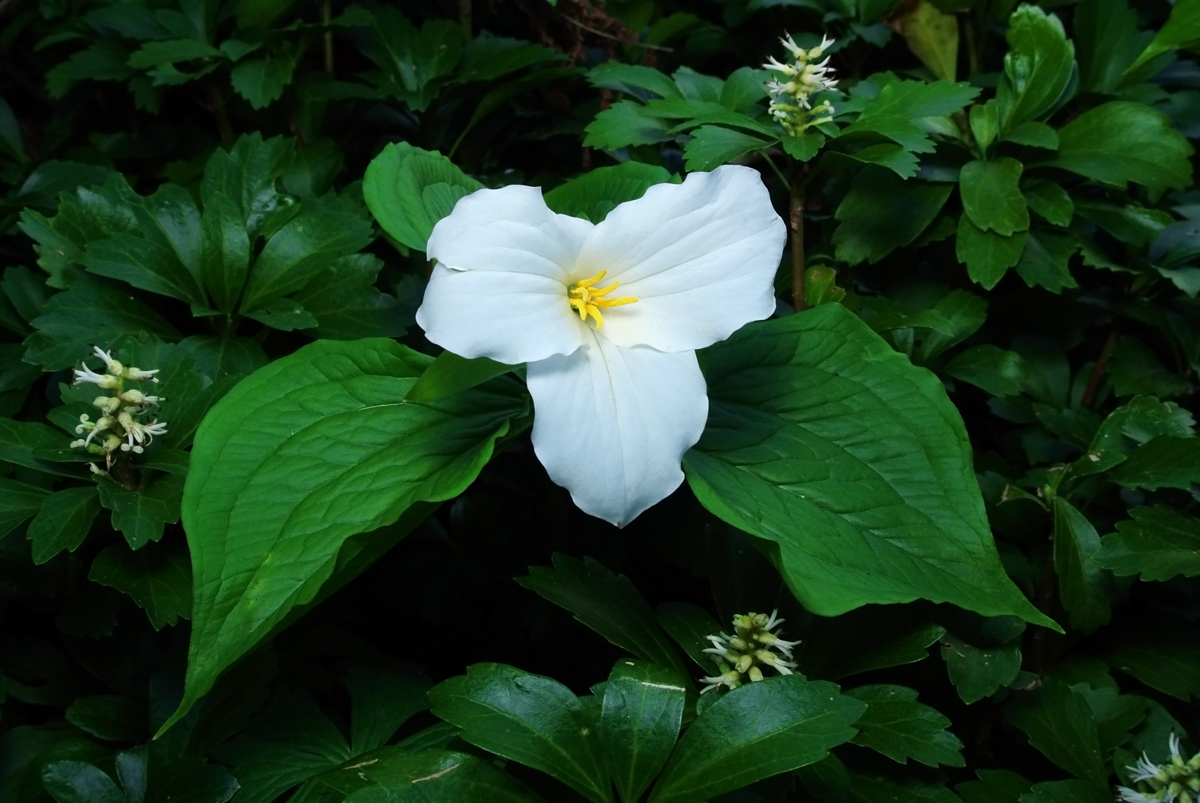
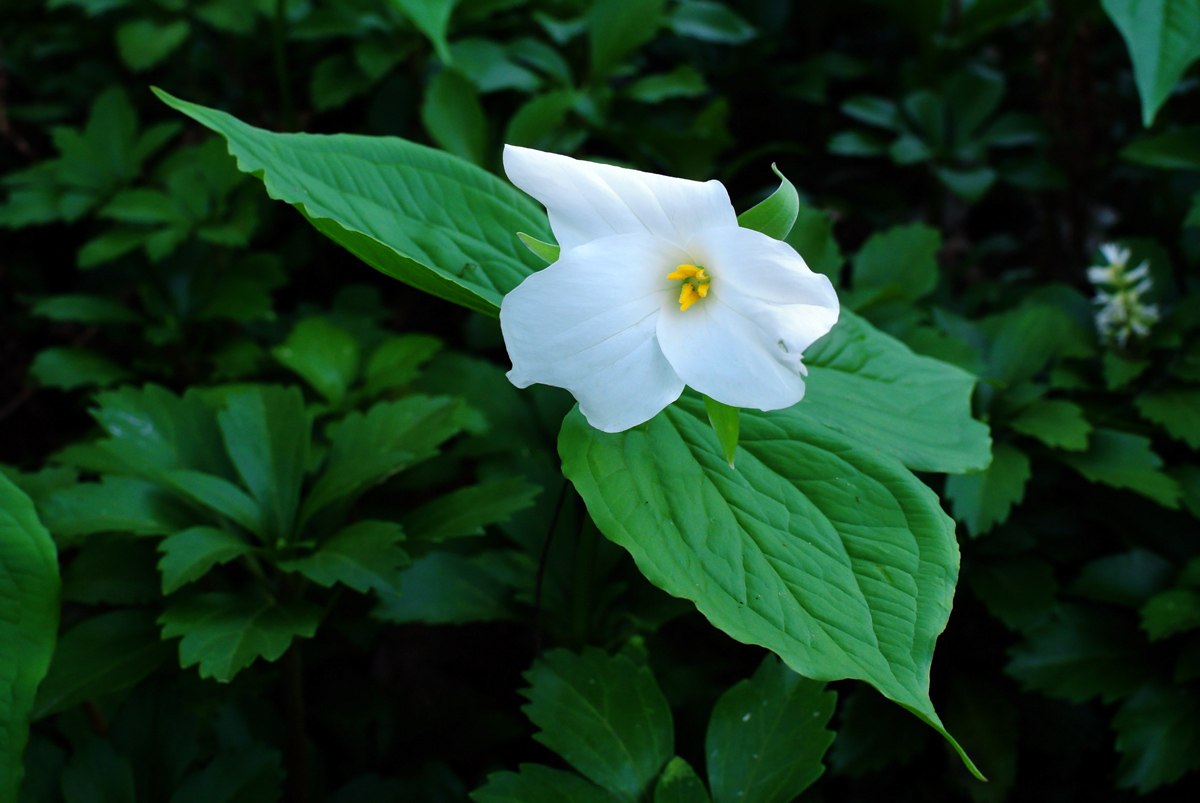
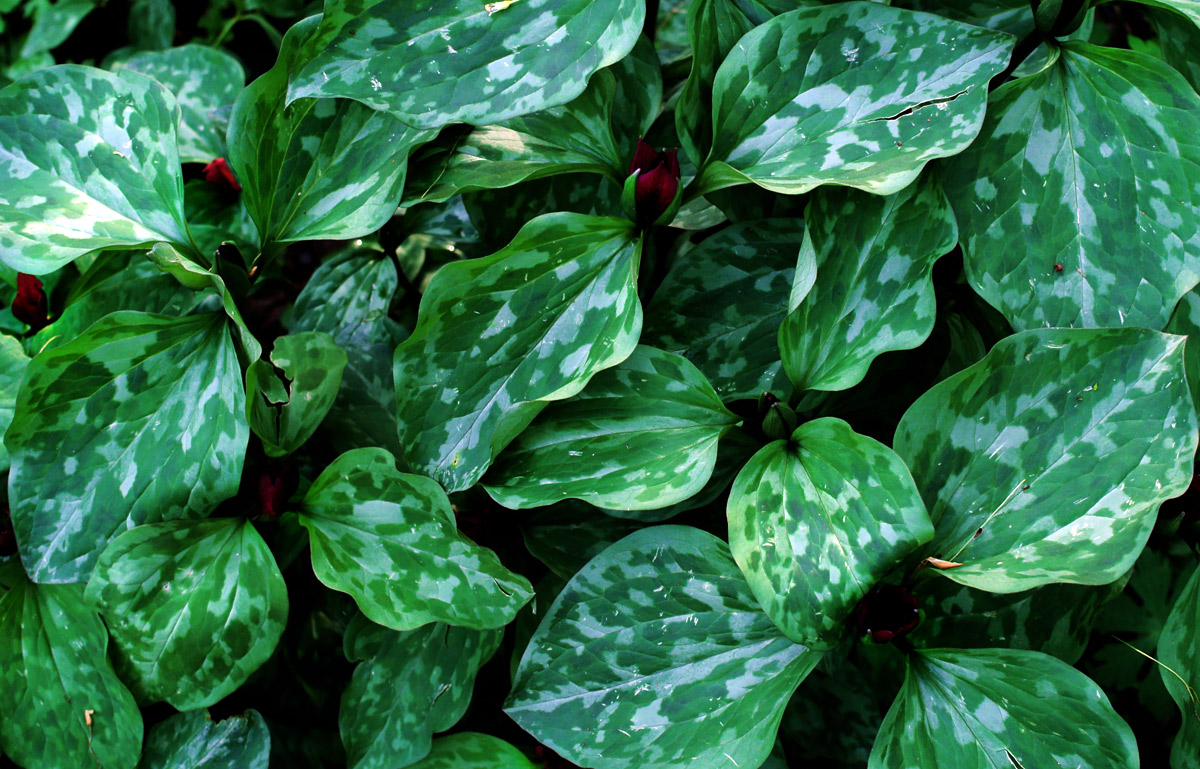
Even when the birding is somewhat quiet, as it has been the past few days, there are always other photography subjects to work with. A patch of trillium on the forest floor will do nicely. There's a certain tranquility I experience when photographing wildflowers. Naturally, it's nothing at all like the frustrating challenge that tiger beetles pose. But whether it be a bird, a bug, or blossom, each subject I choose to photograph rewards me with a type of peace that comes from shutting out all other worldly distractions. It's temporary, to be sure, but so is everything I photograph.


White Trillium


White Trillium


Prairie Trillium

Pheasant Branch, Dane, Wisconsin, US
Apr 29, 2017 6:23 AM - 9:25 AM
54 species

Canada Goose
Wood Duck
Mallard
Blue-winged Teal
Great Blue Heron
Turkey Vulture
Red-tailed Hawk
Sora
Sandhill Crane
Killdeer
Ring-billed Gull
Rock Pigeon
Mourning Dove
Barred Owl
Red-bellied Woodpecker
Downy Woodpecker
Hairy Woodpecker
Northern Flicker
Least Flycatcher
Eastern Phoebe
Warbling Vireo
Blue Jay
American Crow
Northern Rough-winged Swallow
Tree Swallow
Barn Swallow
Black-capped Chickadee
Tufted Titmouse
White-breasted Nuthatch
House Wren
Blue-gray Gnatcatcher
Ruby-crowned Kinglet
Swainson's Thrush
American Robin
Gray Catbird
European Starling
Ovenbird
Louisiana Waterthrush
Northern Waterthrush
Yellow Warbler
Palm Warbler
Yellow-rumped Warbler
Chipping Sparrow
White-throated Sparrow
Song Sparrow
Swamp Sparrow
Northern Cardinal
Red-winged Blackbird
Eastern Meadowlark
Common Grackle
Brown-headed Cowbird
House Finch
Purple Finch
American Goldfinch

All images © 2017 Mike McDowell
4.27.2017

Open Birding # 1 Results!


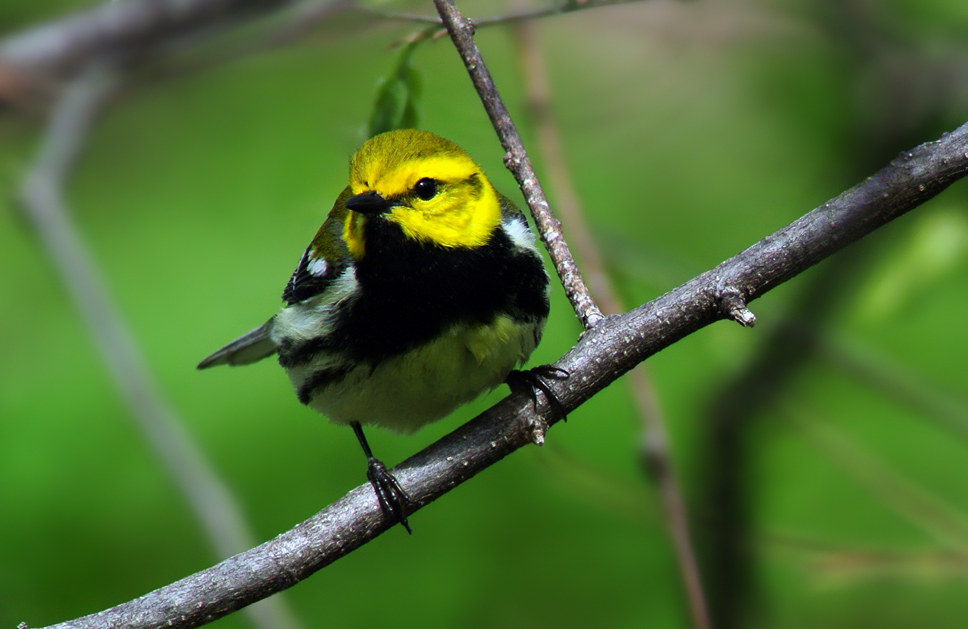
Black-throated Green Warbler

It was a very soggy outing for this season's first Open Birding date. Northwest winds returned, so I had low expectations for new arrivals. However, a few returning warblers were observed while our group birded in the rain. New for me was a handsome Black-throated Green Warbler and an Ovenbird signing its teacher teacher teacher song.

The next Open Birding date at the creek corridor is May 6th at 6:00AM. Hopefully we'll have better weather!

Pheasant Branch, Dane, Wisconsin, US
Apr 27, 2017 6:30 AM - 8:30 AM
36 species 

Wood Duck
Mallard
Broad-winged Hawk
Ring-billed Gull
Mourning Dove
Red-bellied Woodpecker
Downy Woodpecker
Hairy Woodpecker
Northern Flicker
Eastern Phoebe
Blue-headed Vireo
Blue Jay
American Crow
Black-capped Chickadee
Tufted Titmouse
White-breasted Nuthatch
House Wren
Ruby-crowned Kinglet
American Robin
Gray Catbird
European Starling
Ovenbird
Black-and-white Warbler
Nashville Warbler
Palm Warbler
Yellow-rumped Warbler
Black-throated Green Warbler
Chipping Sparrow
White-throated Sparrow
Song Sparrow
Eastern Towhee
Northern Cardinal
Red-winged Blackbird
Common Grackle
Brown-headed Cowbird
American Goldfinch

Black-throated Green Warbler © 2017 Mike McDowell
4.26.2017

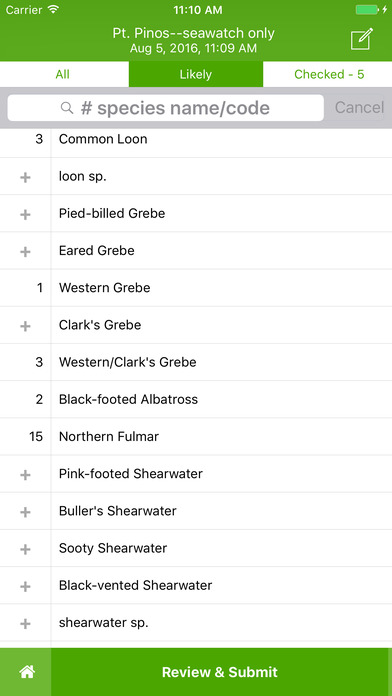
eBird Mobile App


I recently purchased my very first smartphone that’s capable of running apps (Samsung Galaxy S5 for those of you who want to know). The past few days I decided to test the eBird mobile app to enter sightings while actively birding in the field. While I don’t really have any complaints about the app itself, almost immediately I noticed how it negatively impacted my style of birding.

I’ve been using eBird since 2007, primarily for recording my observations at Pheasant Branch Conservancy (1,346 checklists to date). Over the years I’ve gotten pretty good at memorizing my sightings and entering them into eBird once at a computer or from my iPad at a coffee shop.

As a 50-year old with bifocals, I noticed trouble right away with my distance vision after scrolling through the list of birds and entering a few sightings. As one might expect, the more time I spent entering data, the longer it took for my eyes to adjust for distance. Obviously, distance vision is critical for finding small songbirds foraging in the understory or tree canopy.
Another problem is the potential for missing birds that aren’t vocalizing. In general, I detect and identify birds from their vocalizations. While I still possess decent visual acuity for my age, I more often hear them before seeing them. However, yesterday while I was entering in a few sightings into the eBird app (face pointed toward the ground), Jesse Peterson spotted a Red-headed Woodpecker. If I had been birding alone I probably would have missed the bird. Texting data is definitely a distraction.
To be sure, having a smartphone is an invaluable tool in the field. It’s great for letting other birders know about a good sighting and to find out where your fellow birders are birding. Additionally, having several field guides installed on a single handheld device instead of hauling around books is a nice convenience.

In my case I don’t think using the eBird app will improve checklist accuracy. I had difficulty keeping up checking off species in the app as my brain kept right on identifying various songs and calls. When birding without entering in data on a device, keeping a mental count is easier and more efficient for me. And believe it or not, I can keep two days of outings in my memory, but not three.

Perhaps I’ll warm up to it, but in the end I doubt I will use the eBird app while I’m birding during peaks of spring and fall migration. Instead, I’ll continue to rely on my memory ability and enter data once off the field. I think the eBird app is a good idea, but it isn’t for everyone. Perhaps younger birders who are more app savvy and don’t have to worry about vision adjustments will find it more intuitive.

4.24.2017